











Published November 19, 2026 · Rebuilt Knowledge Base
Why do you sleep so well after a day at the beach?
Ask anyone after a full beach day and they'll tell you they slept like a rock. There's no single magic cause. A few normal processes stack on top of each other:
- Bright light all day. Hours of natural daylight are a strong signal to your internal clock. A clear "day" signal tends to make the "night" signal clearer as well.
- Physical work. Swimming, walking in sand, fighting waves and carrying gear add up. Your body builds up sleep pressure through the day.
- Heat, then cooling. Your core temperature naturally drops as you fall asleep. After a hot day, a cooler evening and a cool room make that drop easier to feel.
- Mental downtime. No inbox, no meetings. Less mental load during the day often means an easier wind-down at night.
You'll often hear that "sea air" or "negative ions" knock you out. That's a nice story, but the evidence is thin. Light, movement and temperature explain most of it.
Why do you wake up parched at 3 AM after a beach day?
The same day that set you up for deep sleep also left you with a debt your body has to settle overnight. Here's where it comes from:
- Sweat you didn't notice. Wind and seawater cool your skin, so you don't feel how much you're sweating. You lose water and electrolytes, mainly sodium, plus some potassium.
- Plain water only. Many people drink water all day but take in little sodium. That can leave you still thirsty and running to the bathroom more often.
- Salty snacks late in the day. Chips, fries and pretzels at 6 PM raise your thirst a few hours later, often right in the middle of the night.
- The sunset drink. Alcohol lowers vasopressin, the hormone that helps your kidneys hold on to water. You lose more fluid in the evening, and you feel it at 3 AM.
- Mouth breathing and a warm room. Sun-tired, slightly congested and sleeping in a warm room is a recipe for a dry mouth.
The 3 AM timing makes sense. By then the first, deepest sleep cycles are over, your sleep gets lighter, and thirst signals can wake you up. Think of it as an invoice arriving: the day's sun-and-sweat debt, due overnight.
Is it dehydration or just a dry mouth?
Both can happen, and they feel alike. A quick self-check:
- Mostly a dry mouth, otherwise fine? Likely mouth breathing or dry air. A few sips and a cooler room usually solve it.
- Strong thirst, dark urine, a headache or feeling lightheaded when you stand up? That points to a real fluid and electrolyte gap.
- Muscle cramps in your calves or feet? A common sign after a long, sweaty day.
If you feel confused, very dizzy, or can't keep fluids down after a long day in the sun, stop self-managing and contact a healthcare professional.
7 concrete tips to sleep deep and skip the 3 AM thirst
1. Pre-load before you hit the sand
Start the day hydrated, not catching up. Drink a large glass of water with breakfast, plus something with a bit of sodium: a salted breakfast, broth, or an electrolyte drink. Show up already topped off.
2. Sip with electrolytes, not just water
Water alone doesn't replace what sweat takes out. Through the day, alternate water with an electrolyte drink or salty, water-rich foods. A simple rule of thumb: every second bottle should carry some sodium. Check your urine. Pale yellow is the target.
3. Eat a potassium-rich, vegetable-forward dinner
Potassium is the electrolyte people forget. Potatoes, beans, leafy greens, tomatoes, melon, bananas and yogurt all help. A dinner built on vegetables also brings water with it. Want to know what a greens powder can and can't stand in for here? Read our breakdown of greens powder vs. eating your vegetables. Short version: real vegetables come first.
4. Move the salty snacks earlier
Have the chips at 2 PM, not 8 PM. A salty snack mid-afternoon helps replace sodium while you're still sweating. The same snack late at night just builds thirst for later.
5. Make the sunset drink one, and match it with water
You don't have to skip it. Just have one glass of water for every drink, and stop at least two to three hours before bed. That gives your body time to process it before you lie down.
6. Do a small evening top-up, not a chug
About 60–90 minutes before bed, drink a moderate glass of water, ideally with a few electrolytes. Downing a liter at 10:30 PM just swaps the thirst wake-up for a bathroom wake-up. Drinking huge amounts of plain water with no electrolytes isn't a good idea either. Balance beats volume.
7. Set up your bedroom for the night
- Keep the room cool, ideally around 65–68°F.
- Put a water bottle on your nightstand so a 3 AM sip takes ten seconds, not a trip to the kitchen.
- Use a fan or open a window, but avoid air blowing straight at your face, because it dries out your mouth.
- Tomorrow morning, start with water and a real breakfast before the next round of sun.
Build these into a lasting habit and every beach day turns into the good kind of tired, not the kind that shows up as thirst at 3 AM.
How does Rebuilt build a beach-day recovery routine?
At Rebuilt, we keep it practical. Electrolytes and water do the hydration work. Nothing in a greens powder replaces them. What a daily greens habit can do is add consistency to the days around the beach day, so you aren't starting from zero.
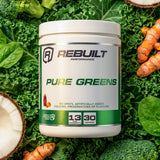
That's why Pure Greens is built to be simple and transparent:
- Exactly 13 ingredients, all listed openly
- Danish-developed
- One 11g scoop per serving, mixed into water or a smoothie
- No lock-in: buy it when you need it, no required subscription
One of those ingredients is spirulina, a blue-green algae that has been studied in active people. In a randomized controlled trial, spirulina supplementation was associated with better self-reported sleep quality and stress levels.1 Another randomized trial found spirulina associated with less mental and physical fatigue.2 Spirulina may also support the body's normal response to oxidative stress during exercise, and normal endurance.3 These are ingredient-level findings, not promises about any single product, and they don't replace sleep, food or fluids. They're one reason we chose the ingredient.
Make the morning after the easy part.
Pure Greens: 13 transparent ingredients, Danish-developed, one 11g scoop a day, and no subscription lock-in. A clean, natural daily habit you can trust. REBUILT THROUGH WORK.
How does Pure Greens compare to a typical greens powder?
Before you buy any greens powder, check the label. Our guide on how to read a greens powder label, including serving sizes and proprietary blends walks you through it. Here's how Rebuilt's approach compares to what you'll often find on the shelf:
| What to check | Pure Greens | Typical proprietary-blend greens powder |
|---|---|---|
| Ingredient count | Exactly 13 ingredients, Danish-developed, every one listed | Often long lists, sometimes dozens of items |
| Transparency | Fully disclosed ingredient list | "Proprietary blend" labels can hide how much of each ingredient you actually get |
| Serving size | One 11g scoop | Varies by brand; check the label |
| Price and commitment | One-off purchase, no lock-in (see the product page for current price) | Varies; many are sold mainly through subscriptions |
More ingredients doesn't automatically mean better. A short, fully disclosed list lets you see exactly what you're putting in your body every day.
Does what you eat the rest of the week matter for beach-day recovery?
Yes. One sun-heavy day lands on top of your normal routine. If you're eating well and sleeping well the rest of the week, you handle the beach day better. Fermented foods are worth adding: a Stanford study found that a diet high in fermented foods like yogurt, kefir and kimchi increased gut microbiome diversity.4 Planning a winter-sun trip this season? Also look at the basics in seasonal immune support daily habits. Travel, flights and late nights all count.
Your evening wind-down, sorted.
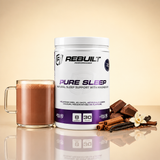
Build the habit: cool room, small water top-up, screens off. Then see what else fits your night routine in Pure Sleep.
Where can you buy Pure Greens and Pure Sleep at Rebuilt?
Everything in this guide works wherever you shop: electrolytes during the day, potassium at dinner, a small top-up before bed, and a cool room. If you want the daily-habit part covered, Rebuilt has it in one place:
- Pure Greens: 13 ingredients, 11g per serving, Danish-developed, no lock-in
- Pure Sleep: for your evening routine
- The full Rebuilt range
Sun, movement, recovery, repeat. That's how you become the best version of yourself, one solid day at a time.
Frequently asked questions
Why do I sleep so well after a day at the beach?
Bright daylight, physical activity, heat followed by a cooler evening, and less mental stress all build sleep pressure and support a clear day-night rhythm. Together they make deep sleep come more easily.
Why do I wake up thirsty at 3 AM after being in the sun?
You likely went to bed short on fluids and electrolytes from sweat, salty food or alcohol. Around 3 AM your sleep gets lighter, so thirst signals are more likely to wake you up.
Should I drink a lot of water right before bed?
No. A moderate glass 60–90 minutes before bed works better. A large amount right before sleep usually just leads to bathroom trips during the night.
Do I need electrolytes or is water enough after a beach day?
After a long, sweaty day, add electrolytes, mainly sodium and potassium. Plain water alone doesn't replace what sweat takes out.
Does alcohol make nighttime thirst worse?
Yes. Alcohol lowers vasopressin, the hormone that helps your body hold on to water, so you lose more fluid. Match each drink with a glass of water and stop a few hours before bed.
Can a greens powder replace electrolytes?
No. A greens powder is a daily nutrition habit, not a hydration product. Use water and electrolytes for hydration, and see greens as support for your everyday routine.
How many ingredients are in Pure Greens?
Pure Greens contains exactly 13 ingredients, and one serving is an 11g scoop. It's Danish-developed, every ingredient is disclosed, and there's no subscription lock-in.
Claims overview
- Spirulina was associated with improved self-reported sleep quality and stress levels in a randomized controlled trial (PMID: 34107141).
- Spirulina was associated with reduced mental and physical fatigue in a randomized controlled trial (PMID: 26888417).
- Spirulina may support the body's normal response to exercise-related oxidative stress and normal endurance (Kalafati et al., 2010; PMID: 19936191).
- A high-fermented-food diet increased gut microbiome diversity in a Stanford study (Wastyk et al., 2021; PMID: 34256014).
References
- Randomized controlled trial of spirulina supplementation on sleep quality and stress levels. PubMed PMID: 34107141.
- Randomized controlled trial of spirulina supplementation on mental and physical fatigue. PubMed PMID: 26888417.
- Kalafati M, et al. (2010). Ergogenic and antioxidant effects of spirulina supplementation in humans. Medicine & Science in Sports & Exercise. PMID: 19936191.
- Wastyk HC, et al. (2021). Gut-microbiota-targeted diets modulate human immune status. Cell 184(16):4137. Stanford University. PMID: 34256014.
These statements have not been evaluated by the Food and Drug Administration. This product is not intended to diagnose, treat, cure, or prevent any disease.
