

Short Answer: Why You Sleep Better When You're Sick But Wake Up Drenched in Sweat
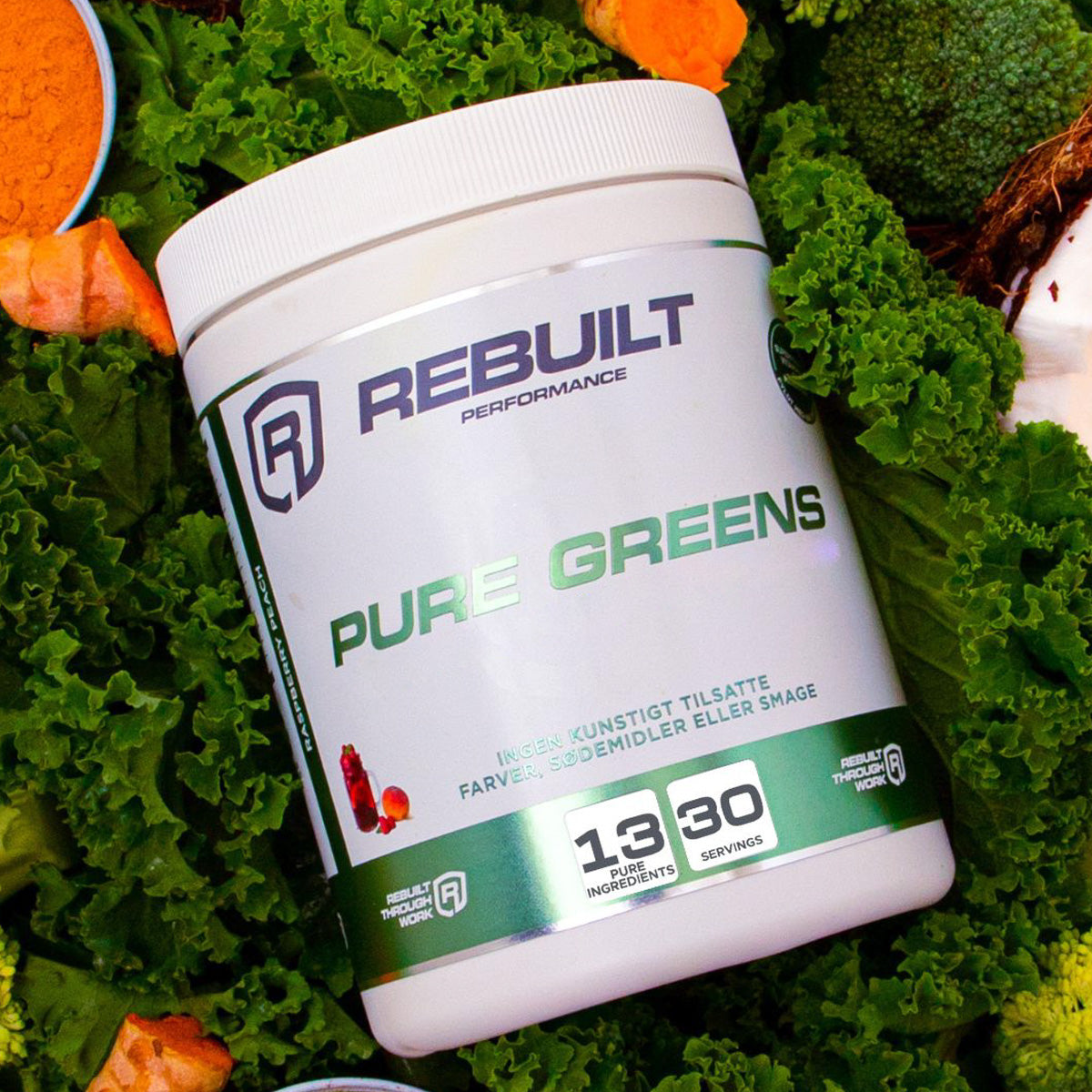
When you're sick, your immune system ramps up cytokine production and raises your core body temperature to fight infection. This fever response actually improves deep sleep in the first part of the night—but as your body cools down rapidly in the early morning hours, it dumps heat and fluids through sweat, draining electrolytes like sodium, potassium, and magnesium overnight. That's why you wake up drenched, exhausted, and feeling worse than when you went to bed. At Rebuilt, we've designed Pure Greens—a Danish-developed blend of 13 transparent, whole-food ingredients including spirulina and chlorella—to support normal mineral balance and help your body maintain the nutrient reserves it needs during recovery.
Why Does Immune Activation Make You Sleep Deeper at First?
Your immune system doesn't rest when you're sick—it shifts into overdrive. White blood cells release signaling molecules called cytokines (interleukin-1, interleukin-6, tumor necrosis factor-alpha) that trigger inflammation and raise your body's thermostat. This fever response is your body's way of creating a hostile environment for pathogens.
Here's what happens to your sleep architecture:
- More slow-wave sleep (deep sleep): cytokines promote non-REM stage 3 sleep, the most restorative phase for tissue repair and immune function
- Suppressed REM sleep: your brain prioritizes physical recovery over cognitive processing, so you dream less and sleep more solidly
- Earlier sleep onset: elevated cytokine levels make you feel profoundly tired, often sending you to bed hours earlier than usual
- Reduced arousals: your nervous system dampens external awareness to protect recovery time
This deep, uninterrupted sleep in the early part of the night is genuinely beneficial—it allows your immune system to do its most important work while you're unconscious. The problem starts when your body tries to cool down from that fever state.
What Causes the Night Sweats and Why You Wake Up Exhausted
As your immune system gains the upper hand and cytokine levels drop (usually between 2 AM and 5 AM), your hypothalamus—your body's thermostat—resets to a lower set point. To shed the excess heat accumulated during the fever, your body activates its primary cooling mechanism: sweating.
This process is not gradual. You can lose 500–1,000 mL of fluid in a single night of fever-driven sweating, along with critical electrolytes:
- Sodium: maintains fluid balance and nerve signaling
- Potassium: regulates muscle contractions and heart rhythm
- Magnesium: supports over 300 enzymatic reactions, including energy production and muscle relaxation
- Chloride: helps maintain blood volume and pH balance
When these minerals drop rapidly, your sleep quality collapses. You wake up cold, clammy, and restless because your nervous system is now struggling to maintain homeostasis without the mineral reserves it needs. This is similar to the core temperature drop your thyroid can't recover from after a hot shower—except magnified by days of immune activation and poor nutrition.
Why Your Mineral Reserves Are Already Depleted Before You Even Go to Bed
When you're sick, you typically eat less, drink less, and absorb nutrients poorly. Nausea, loss of appetite, and digestive inflammation all conspire to drain your baseline nutrient levels. Meanwhile, your immune system is burning through vitamins and minerals at an accelerated rate:
- Vitamin C: white blood cells consume it rapidly during oxidative bursts
- Zinc: required for immune cell replication and cytokine regulation
- B vitamins: fuel cellular energy production during metabolic stress
- Iron: sequestered away from pathogens, but also less available to you
By the time you go to bed, you're already running on fumes. The fever-driven sweat overnight is the final straw—your body simply doesn't have the mineral buffer to stabilize your nervous system and maintain sleep quality through the early morning hours.
7 Concrete Tips to Sleep Better When You're Sick and Stop Waking Up Drenched
1. Front-Load Electrolytes Before Bed
Don't wait until morning to rehydrate. Two to three hours before bed, drink 400–500 mL of water with a pinch of sea salt and a squeeze of lemon. This gives your kidneys time to process the fluid without forcing midnight bathroom trips, while pre-loading sodium and potassium to buffer overnight losses.
Rebuilt tip: If plain salted water doesn't appeal, mix Pure Greens into room-temperature water. The spirulina and chlorella naturally contain potassium, magnesium, and trace minerals that support normal electrolyte balance.1
2. Keep a Thermos of Warm Electrolyte Drink on Your Nightstand
When you wake up drenched in sweat, your instinct is to drink cold water. Resist. Cold fluids can cause vasoconstriction and make you feel colder. Instead, keep a thermos of warm herbal tea or diluted electrolyte solution within arm's reach. Sip 100–200 mL when you wake, then settle back down.
This strategy prevents the dehydration spiral that wakes you repeatedly and gives your body the minerals it needs to regulate core temperature in real time.
3. Lower Your Room Temperature to 16–18°C (60–64°F)
Even though you have a fever, your bedroom should be cool. A lower ambient temperature helps your body offload heat through radiation and convection rather than relying entirely on sweating. This reduces the volume of fluid you lose overnight and makes the cooling process more gradual and less disruptive to sleep.
Use breathable cotton sheets and a lightweight duvet you can kick off easily. Layer blankets instead of using one heavy comforter—you want the flexibility to adjust without fully waking.
4. Take a Lukewarm Shower 60–90 Minutes Before Bed
A lukewarm (not hot) shower 60–90 minutes before bed helps bring your core temperature down gently before you lie down. This mimics the natural circadian drop in body temperature that signals sleep onset, but without the extreme rebound shivering that disrupts rest later in the night.
Pat yourself dry but leave a little moisture on your skin—evaporative cooling will continue to work in your favor as you settle into bed. For more on temperature regulation and sleep, see our guide on why you sleep better after taking a hot shower but wake up cold and restless.
5. Eat a Small, Mineral-Rich Snack 2–3 Hours Before Sleep
Even if you have no appetite, try to get 200–300 calories of easily digestible, mineral-dense food into your system before bed. Good options include:
- Banana with a tablespoon of almond butter (potassium, magnesium)
- Bone broth with a pinch of sea salt (sodium, collagen, amino acids)
- Steamed sweet potato with a drizzle of olive oil (potassium, vitamin A)
- Oatmeal with a handful of pumpkin seeds (magnesium, zinc)
This snack won't cure your illness, but it will give your body the raw materials it needs to maintain mineral homeostasis overnight and reduce the severity of night sweats.
6. Supplement Strategically with Whole-Food Greens
When you're sick, your digestive system is often too inflamed or nauseous to handle a full meal—but a single scoop of nutrient-dense greens can deliver concentrated vitamins and minerals without overwhelming your gut.
Pure Greens from Rebuilt contains exactly 13 whole-food ingredients—including spirulina, chlorella, moringa, wheatgrass, and barley grass—chosen for their natural vitamin, mineral, and phytonutrient density. One 11-gram serving provides:
- Chlorophyll to support normal detoxification pathways
- Naturally occurring B vitamins to support energy metabolism2
- Trace minerals (magnesium, potassium, iron) to support normal electrolyte function
- Antioxidant compounds to support the body's natural response to oxidative stress3
Mix one scoop into 300 mL of room-temperature water or coconut water in the afternoon. This gives your body 4–6 hours to absorb and distribute the nutrients before bedtime, maximizing overnight mineral availability.
Why Rebuilt Pure Greens Supports Recovery Better Than Synthetic Multivitamins
Most multivitamins deliver isolated, synthetic nutrients your body struggles to recognize and absorb—especially when your digestive system is compromised by illness. Pure Greens takes a different approach: whole-food ingredients your body knows how to process, even under stress.
- 13 transparent ingredients—no proprietary blends, no fillers, no artificial sweeteners
- Danish-developed for quality and traceability you can trust
- No lock-in subscriptions—order when you need it, pause when you don't
- One 11-gram scoop replaces handfuls of pills and powders
7. Track Your Fluid and Mineral Intake During the Day
Nighttime sweat losses are cumulative—if you're already dehydrated and mineral-depleted by evening, no bedtime intervention will save your sleep. Aim for:
- 2–3 liters of fluid spread across the day (water, herbal tea, broth)
- 3–4 grams of sodium (about 1.5 teaspoons of sea salt total in food and drinks)
- 3,500–4,700 mg of potassium (bananas, sweet potatoes, leafy greens, avocado)
- 400–420 mg of magnesium (pumpkin seeds, spinach, dark chocolate, whole grains)
Set hourly reminders on your phone to sip fluid and eat small, mineral-rich snacks. When you're sick, your thirst mechanism is often suppressed—you can't rely on feeling thirsty to prompt hydration.
How Rebuilt Helps You Maintain Nutrient Reserves When You're Too Sick to Eat Properly
When appetite disappears and every meal feels like a battle, Pure Greens becomes your nutritional safety net. Unlike all-in-one supplements that claim to cover everything but deliver underwhelming doses, Pure Greens focuses on whole-food nutrient density in a form your compromised digestive system can actually handle.
Here's how Pure Greens compares to typical "kitchen-sink" multivitamins:
| Feature | Pure Greens (Rebuilt) | Typical All-in-One Multivitamin |
|---|---|---|
| Ingredient count | 13 whole-food ingredients | 40–50+ synthetic isolates |
| Transparency | Full disclosure—no proprietary blends | Proprietary blends hide actual doses |
| Absorption during illness | Whole-food matrix—easier on inflamed gut | Synthetic isolates—poor absorption under stress |
| Serving size | 1 scoop (11g)—easy to mix and drink | 3–6 large pills—hard to swallow when nauseous |
| Subscription model | No lock-in—order as needed | Often requires recurring subscription |
Rebuilt's approach is simple: fewer, better ingredients in forms your body recognizes, delivered without the marketing gimmicks or proprietary blend opacity that plague the supplement industry. For a deeper dive into why ingredient count doesn't equal efficacy, read our article on why your all-in-one supplement lists 50 ingredients but your blood work hasn't improved.
The Science Behind Spirulina, Sleep Quality, and Immune Recovery
Spirulina—a blue-green algae and one of the 13 core ingredients in Pure Greens—has been studied extensively for its role in reducing oxidative stress and supporting physical performance. A randomized controlled trial published in Medicine & Science in Sports & Exercise found that spirulina supplementation reduced exercise-induced oxidative stress and increased time to fatigue in untrained participants.4
Another randomized controlled trial found that spirulina supplementation significantly reduced mental and physical fatigue,5 while a separate study reported improved sleep quality and lower perceived stress levels in participants taking spirulina daily.6 While these studies were conducted in healthy populations, the mechanisms—reduced oxidative burden, improved mitochondrial function, and better stress resilience—are directly relevant when your body is fighting infection and struggling to maintain sleep quality.
Chlorella, another key ingredient in Pure Greens, contains naturally occurring chlorophyll, B vitamins, and trace minerals that support normal cellular energy production and detoxification pathways—both of which are under heavy load during illness.
When to Seek Medical Help Instead of Relying on Sleep and Nutrition Alone
While improving sleep quality and maintaining mineral reserves will accelerate recovery from common colds and mild flu, certain symptoms require medical evaluation:
- Fever above 39.4°C (103°F) lasting more than 3 days
- Difficulty breathing, chest pain, or persistent cough with bloody mucus
- Severe dehydration (dark urine, dizziness, confusion, inability to keep fluids down)
- Rash, stiff neck, or severe headache accompanying fever
- Symptoms that worsen after initial improvement
Nutrition and sleep optimization are powerful tools for supporting your body's natural recovery processes—but they are not substitutes for medical care when serious illness is present.
Frequently Asked Questions
Why do I sleep so deeply when I'm sick but wake up feeling worse?
Your immune system releases cytokines that promote deep, restorative slow-wave sleep in the first part of the night. This helps your body fight infection. However, as your fever breaks and your body rapidly cools down through sweating, you lose electrolytes and fluids, which destabilizes your nervous system and disrupts sleep quality in the early morning hours. You wake up drenched and exhausted because your mineral reserves are depleted.
Is it normal to sweat so much at night when you have a fever?
Yes. Night sweats during illness are your body's primary cooling mechanism when your hypothalamus resets its temperature set point as the infection subsides. You can lose 500–1,000 mL of fluid and significant electrolytes (sodium, potassium, magnesium) in a single night, which is why rehydration and mineral replenishment are critical for maintaining sleep quality and speeding recovery.
Should I drink water before bed if I'm sick, or will it just make me wake up to urinate?
Drink electrolyte-rich fluids 2–3 hours before bed, not immediately before. This gives your kidneys time to process the liquid and allows your body to absorb the minerals you need to buffer overnight sweat losses. Keep a thermos of warm, diluted electrolyte drink or herbal tea on your nightstand to sip when you wake up drenched—this prevents the dehydration spiral without forcing multiple bathroom trips.
Can greens powder help when I'm too sick to eat solid food?
Yes. A high-quality greens powder like Pure Greens delivers concentrated vitamins, minerals, and phytonutrients in a form that's easier on a nauseous or inflamed digestive system than solid food or large pills. One 11-gram scoop mixed into water provides potassium, magnesium, B vitamins, and antioxidant compounds that support normal immune function and mineral balance1,2,3—without requiring your body to break down heavy meals.
Why do I feel colder after sweating through my fever?
When you sweat heavily to cool down from a fever, you lose both heat and electrolytes rapidly. Sodium and potassium regulate blood vessel tone and fluid distribution—when they drop, your body struggles to maintain core temperature and peripheral circulation. This is why you wake up cold, clammy, and shivering even though your fever has broken. Replenishing minerals quickly with electrolyte drinks or whole-food greens helps stabilize your thermoregulation.
How long does it take for my mineral levels to recover after being sick?
If you actively rehydrate and replenish electrolytes, your sodium and potassium levels can normalize within 24–48 hours. Magnesium and trace minerals may take 3–5 days to fully restore, especially if you had poor intake during illness. Consistent daily intake of mineral-rich foods (leafy greens, nuts, seeds, bone broth) or a whole-food greens powder accelerates this process. For ongoing energy and nutrient timing strategies, see our guide on sustained energy throughout the day.
Where to Find the Right Tools to Support Sleep and Recovery When You're Sick
At Rebuilt, we believe recovery starts with the basics: sleep, hydration, and nutrient-dense whole foods. When illness makes eating difficult and mineral losses skyrocket overnight, Pure Greens gives your body the support it needs without overwhelming your digestive system.
Why Rebuilt customers trust Pure Greens during illness:
- 13 whole-food ingredients—spirulina, chlorella, moringa, wheatgrass, barley grass, and more—chosen for nutrient density and bioavailability
- Transparent formulation—every ingredient and dose listed clearly, no proprietary blends
- Danish-developed quality—traceable sourcing and rigorous testing you can trust
- No lock-in subscriptions—order when you need it, skip when you don't
- Easy to use when you're sick—one scoop in water replaces handfuls of pills and delivers concentrated nutrition your body can absorb
Whether you're battling a seasonal cold, recovering from flu, or simply trying to maintain your nutrient reserves during a stressful period, Pure Greens supports normal immune function, mineral balance, and energy metabolism1,2,3—so you can focus on rest and let your body do what it does best: heal.
Final Thoughts: Sleep Is Your Body's Best Medicine—When You Give It the Minerals It Needs
The paradox of illness is that your body sleeps deeper to heal, but then sabotages that sleep by draining the very minerals it needs to maintain rest. Night sweats aren't a design flaw—they're a necessary part of your immune response. But if you don't actively replace what you lose, you'll wake up exhausted, dehydrated, and stuck in a recovery rut.
Front-load electrolytes, keep your bedroom cool, sip warm fluids when you wake, and don't underestimate the power of nutrient-dense greens when solid food feels impossible. Your body is fighting hard for you—give it the support it deserves.
Remember: you are rebuilt through work—and that work includes the unglamorous, ungainly process of nursing yourself back to health with patience, hydration, and the right nutrients at the right time.
References
- Spirulina and chlorella contain naturally occurring minerals including potassium and magnesium that support normal electrolyte balance and cellular function.
- Spirulina is a natural source of B vitamins (B1, B2, B3, B6, B12) that support normal energy metabolism and reduce fatigue.
- Kalafati M, et al. (2010). Ergogenic and antioxidant effects of spirulina supplementation in humans. Med Sci Sports Exerc. 42(1):142-51. PMID: 19936191.
- Kalafati M, et al. (2010). Med Sci Sports Exerc. PMID: 19936191 — spirulina reduces oxidative stress and increases endurance.
- PMID: 26888417 — spirulina RCT: reduces mental and physical fatigue.
- PMID: 34107141 — spirulina RCT: improved sleep quality and stress levels.
FDA Disclaimer: These statements have not been evaluated by the Food and Drug Administration. This product is not intended to diagnose, treat, cure, or prevent any disease.
