

Why Do We Sleep Better on Vacation?
You sleep better on vacation because your body finally gets consistent, high-quality rest without the daily stressors that disrupt your sleep-wake cycle at home. On vacation, you're exposed to more natural light, you move more, you eat at regular intervals, and—most importantly—your cortisol levels drop. Your daily diet plays a crucial role: the highly processed foods, irregular eating patterns, and nutrient gaps in your routine back home can keep your nervous system in a state of low-grade alert, making deep, restorative sleep nearly impossible even when you're exhausted.
This article explores seven concrete, evidence-based strategies to bring that vacation-quality sleep home with you—starting with what you eat every single day.
What Happens to Your Body When You're on Vacation?
When you step off the plane or arrive at your vacation rental, your body begins a physiological shift. Cortisol—the stress hormone that keeps you alert and vigilant—starts to decline. Your parasympathetic nervous system (the "rest and digest" mode) takes over from the sympathetic "fight or flight" mode that dominates your workdays.
Research shows that chronic stress keeps cortisol elevated, which directly interferes with melatonin production and disrupts your circadian rhythm. On vacation, you're removed from the triggers: the 6 a.m. alarm, the back-to-back Zoom calls, the traffic, the endless to-do list. Your body interprets this absence of stress as safety, and sleep quality improves almost immediately.
But there's another factor most people overlook: diet consistency and nutrient density. On vacation, you often eat more whole foods, more vegetables, and fewer ultra-processed snacks grabbed between meetings. You sit down for meals. You hydrate. You're not skipping breakfast and then crashing with a vending-machine protein bar at 3 p.m. This regularity supports stable blood sugar, which is essential for uninterrupted sleep.
Why Does Your Daily Diet Affect Sleep Quality?
Your diet directly influences the production of neurotransmitters and hormones that regulate sleep. Serotonin—a precursor to melatonin—is synthesized in the gut, and its production depends on adequate intake of vitamins B6, B12, folate, magnesium, and tryptophan-rich protein. If your daily diet is low in these nutrients, your body simply can't manufacture enough melatonin to support deep sleep cycles.
Blood sugar instability is another major sleep disruptor. When you eat a high-carb, low-fiber dinner, your blood glucose spikes and then crashes in the middle of the night, triggering a cortisol release that wakes you up around 2 or 3 a.m. This phenomenon is explored in detail in our article on the blood sugar rollercoaster and why you wake up foggy.
Inflammation is a third pathway. A diet high in processed seed oils, refined sugars, and additives can create chronic low-grade inflammation, which interferes with sleep architecture. Studies show that inflammatory markers like IL-6 and TNF-alpha are elevated in people with poor sleep quality, and dietary interventions that reduce these markers also improve sleep.1
7 Concrete Tips to Sleep Better Every Night (Not Just on Vacation)
1. Eat Breakfast Within 90 Minutes of Waking
Eating a protein-rich breakfast within 90 minutes of waking sets your circadian rhythm for the entire day. This meal signals to your body that it's daytime, which helps regulate melatonin release later in the evening. Aim for at least 25–30 grams of protein: eggs, Greek yogurt, or a smoothie with protein powder and greens.
Skipping breakfast or eating only carbs (toast, cereal) creates a blood sugar spike followed by a mid-morning crash, which disrupts your energy and sleep-wake cycle for the rest of the day.
2. Get 10–15 Minutes of Morning Sunlight
Natural light exposure in the first hour after waking is one of the most powerful tools for improving sleep at night. Sunlight stimulates cortisol production (which you want in the morning) and suppresses melatonin, creating a clear biochemical signal that it's daytime.
On vacation, you're outside more—walking to breakfast, sitting on a balcony, exploring. At home, replicate this: take your coffee outside, walk the dog, or simply stand by a window without sunglasses for 10 minutes.
3. Close Your Eating Window 3 Hours Before Bed
Late-night eating—especially carb-heavy snacks—keeps your digestive system active and your core body temperature elevated, both of which interfere with the transition into deep sleep. Aim to finish dinner at least three hours before you plan to sleep.
If you're genuinely hungry in the evening, choose a small portion of protein and fat (a handful of nuts, a hard-boiled egg) rather than chips, cookies, or ice cream, which spike blood sugar and create the cortisol rebound described earlier.
4. Fill Your Nutrient Gaps with Whole Foods (or a Greens Supplement)
Most Americans don't meet the recommended daily intake for magnesium, potassium, folate, or vitamin K—all of which play roles in sleep regulation and nervous system function. On vacation, you might eat more salads, fresh fish, and seasonal vegetables. At home, the same nutrient gaps reappear when you default to takeout and convenience foods.
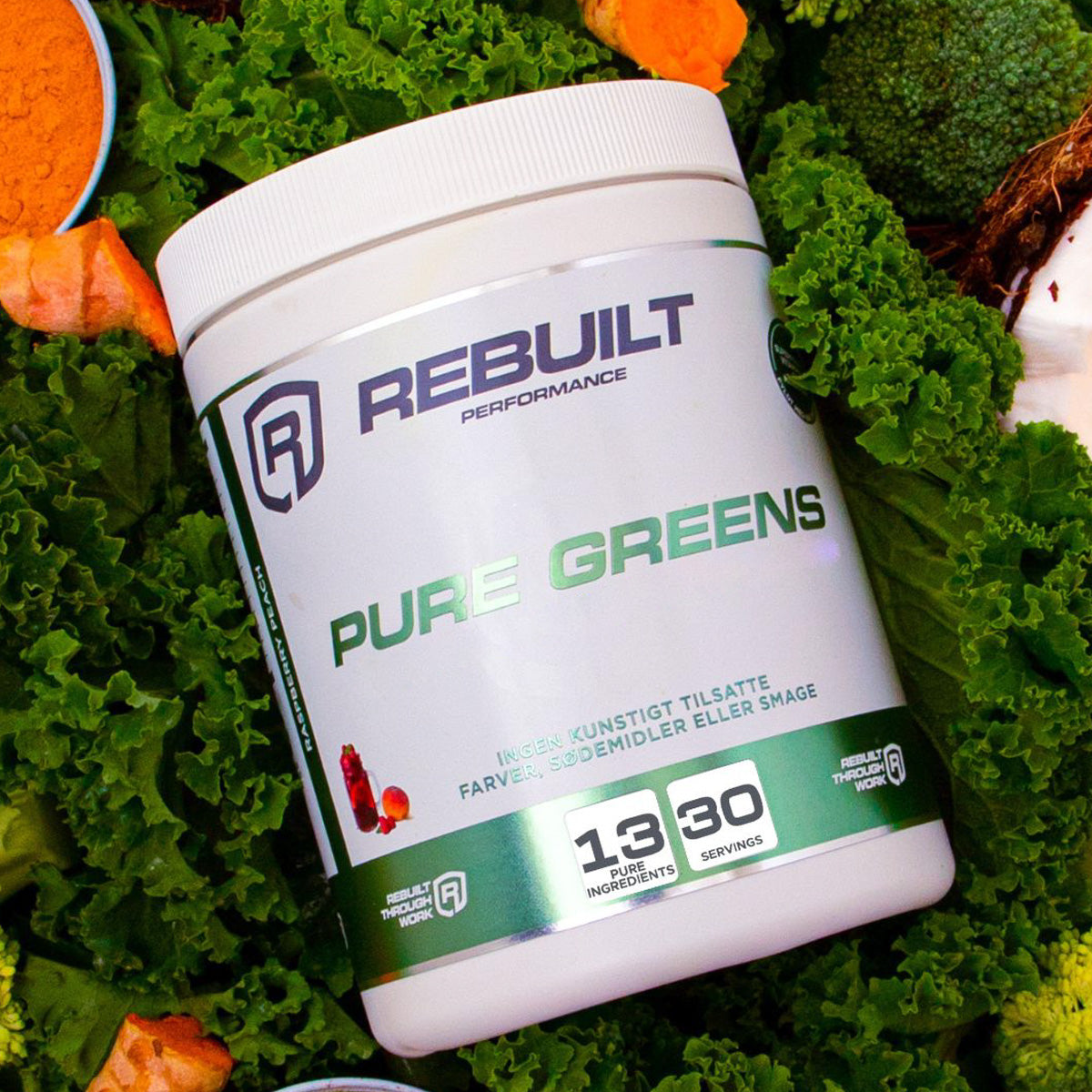
One practical solution is to add a nutrient-dense greens supplement to your daily routine. Pure Greens from Rebuilt Performance contains exactly 13 whole-food ingredients, including spirulina, chlorella, moringa, and ashwagandha—each chosen to support normal energy levels, stress response, and digestive function.2,3
Pure Greens: 13 Ingredients, Zero Guesswork
Danish-developed, transparent, and designed for daily use.
- Spirulina (supports normal energy and reduces oxidative stress)2
- Chlorella (supports detoxification pathways and digestive function)
- Ashwagandha (supports normal stress response and sleep quality)3
- Moringa, wheatgrass, barley grass, alfalfa, and 6 more whole-food ingredients
- One scoop = 11g, mixes easily in water or smoothies
- No lock-in subscription, no proprietary blends, no fillers
Adding a greens supplement is not a replacement for whole foods, but it's a practical way to cover your bases on busy days when a colorful salad isn't realistic. The ingredients in Pure Greens have been studied for their roles in supporting normal energy metabolism, immune function, and stress resilience—all of which contribute to better sleep quality.
5. Move Your Body—But Not Too Late
Physical activity improves sleep quality by increasing slow-wave (deep) sleep and reducing the time it takes to fall asleep. On vacation, you walk more, swim, hike, or simply spend more time upright instead of seated at a desk.
At home, aim for at least 30 minutes of moderate movement daily—but finish intense workouts at least 3–4 hours before bed. Late-evening exercise raises core body temperature and cortisol, which can make it harder to fall asleep. For more on how to naturally boost your energy for exercise, read our guide on how to get more energy naturally.
6. Create a Consistent Sleep Schedule (Even on Weekends)
Your circadian rhythm thrives on consistency. Going to bed and waking up at the same time every day—yes, even on weekends—reinforces your body's internal clock and makes falling asleep easier.
On vacation, you naturally fall into a rhythm: dinner at 7, a walk at sunset, lights out by 10. At home, replicate this structure. Set a bedtime alarm 30 minutes before you want to be asleep, and use that time to wind down: dim the lights, put your phone in another room, and do something calming (read, stretch, journal).
7. Limit Blue Light and Screen Time After 8 p.m.
Blue light from screens suppresses melatonin production by signaling to your brain that it's still daytime. On vacation, you're often away from your laptop and less glued to your phone. At home, blue light exposure continues right up until bedtime, sabotaging your sleep quality.
Use blue-light-blocking glasses after sunset, enable "night mode" on all devices, and establish a screen curfew at least one hour before bed. Replace scrolling with a book, a podcast, or a conversation.
Why Do I Still Feel Tired Even When I Sleep 8 Hours?
Sleeping long is not the same as sleeping well. You can spend eight hours in bed but never reach deep, restorative sleep stages if your blood sugar is unstable, your cortisol is elevated, or your body is dealing with low-grade inflammation.
This is why people often wake up exhausted despite "getting enough sleep." If you're experiencing this, read our article on why you wake up tired even after a full night's sleep, which explains the inflammation factor and how dietary choices influence sleep architecture.
How Long Does It Take to See Improvements in Sleep Quality?
Most people notice a difference within 3–7 days of implementing these strategies consistently. Blood sugar stabilization happens quickly—often within 48 hours of adjusting meal timing and composition. Cortisol regulation takes a bit longer, typically 1–2 weeks, especially if you're coming from a period of chronic stress.
Adding a greens supplement like Pure Greens can support this transition by providing a concentrated source of vitamins, minerals, and adaptogens that help your body adapt to stress and maintain normal energy levels.2,3 Many users report feeling more balanced and sleeping more soundly within the first week of daily use.
Pure Greens vs. Typical Greens Powders: What's the Difference?
| Feature | Pure Greens | Typical Greens Powder |
|---|---|---|
| Ingredient Count | Exactly 13 whole-food ingredients | Often 40–75+ ingredients (proprietary blends) |
| Transparency | Full ingredient list, no proprietary blends | Often uses proprietary blends (undisclosed amounts) |
| Serving Size | 11g per scoop | Varies (often 5–10g with fillers) |
| Subscription Model | No lock-in, cancel anytime | Often requires subscription or auto-ship |
| Origin | Danish-developed, science-backed | Varies |
Rebuilt Performance's Pure Greens is designed for people who want transparency, simplicity, and results. You get exactly 13 ingredients—no more, no less—each selected for its specific role in supporting normal energy, digestion, and stress resilience.2,3 For more on whether greens powders are genuinely beneficial, see our article on whether powdered greens are actually beneficial.
What If I'm Taking GLP-1 Medication—Does This Still Apply?
Yes. If you're using GLP-1 receptor agonists (semaglutide, tirzepatide), sleep quality becomes even more important because these medications can affect appetite, digestion, and nutrient absorption. Many users experience constipation, bloating, and reduced food intake, which can create nutrient gaps that interfere with sleep and recovery.
A 2025 study by Mozaffarian et al. in the American Journal of Clinical Nutrition emphasizes the importance of maintaining adequate protein, fiber, and micronutrient intake during GLP-1 treatment to support metabolic health and prevent muscle loss.4 Adding a nutrient-dense greens supplement can help fill gaps when appetite is suppressed, ensuring your body has the building blocks it needs for neurotransmitter production, immune function, and restorative sleep.
Frequently Asked Questions
Why do I sleep better on vacation than at home?
You sleep better on vacation because you're removed from daily stressors, your cortisol levels drop, and you're exposed to more natural light and physical movement. Additionally, you often eat more whole foods at regular intervals, which stabilizes blood sugar and supports melatonin production.
Can what I eat really affect how well I sleep?
Yes. Your diet directly influences neurotransmitter production (serotonin, melatonin), blood sugar stability, and inflammation levels—all of which impact sleep quality. Nutrient deficiencies in magnesium, B vitamins, and tryptophan can prevent your body from producing enough melatonin for deep sleep.
How long before bed should I stop eating?
Aim to finish eating at least three hours before bedtime. Late-night eating keeps your digestive system active and your core body temperature elevated, both of which interfere with the transition into deep sleep stages.
What's the best breakfast for better sleep at night?
A protein-rich breakfast eaten within 90 minutes of waking—such as eggs, Greek yogurt, or a protein smoothie with greens—sets your circadian rhythm for the day and helps regulate melatonin release in the evening. Aim for 25–30 grams of protein.
Do greens supplements actually help with sleep?
Greens supplements that contain adaptogens like ashwagandha and nutrient-dense whole foods like spirulina can support normal stress response, energy metabolism, and sleep quality by providing vitamins, minerals, and antioxidants that many people lack in their daily diet.2,3 They're not a replacement for whole foods, but they can help fill nutrient gaps on busy days.
How does morning sunlight improve sleep at night?
Morning sunlight exposure stimulates cortisol production (which you want in the morning) and suppresses melatonin, signaling to your body that it's daytime. This creates a clear circadian rhythm, making it easier for your body to produce melatonin and transition into sleep mode at night.
Why do I wake up tired even after 8 hours of sleep?
You may be experiencing poor sleep quality rather than insufficient sleep duration. Blood sugar crashes, elevated cortisol, and low-grade inflammation can all prevent you from reaching deep, restorative sleep stages—even if you're in bed for eight hours. Addressing diet, stress, and nutrient intake often resolves this issue.
Can exercise improve sleep quality?
Yes. Regular physical activity increases slow-wave (deep) sleep and reduces the time it takes to fall asleep. However, intense exercise within 3–4 hours of bedtime can raise cortisol and core body temperature, making it harder to fall asleep. Aim for morning or early-afternoon workouts for best results.
Bring Vacation-Quality Sleep Home: Summary
The difference between vacation sleep and everyday sleep isn't mysterious—it's a combination of lower stress, more natural light, consistent meal timing, and nutrient-dense foods. You don't need a plane ticket to sleep well; you need to replicate the conditions that allow your nervous system to downregulate and your circadian rhythm to stabilize.
- Eat a protein-rich breakfast within 90 minutes of waking
- Get 10–15 minutes of morning sunlight
- Close your eating window 3 hours before bed
- Fill nutrient gaps with whole foods or a transparent greens supplement like Pure Greens
- Move your body daily, but not within 3–4 hours of bedtime
- Maintain a consistent sleep schedule (even on weekends)
- Limit blue light and screen time after 8 p.m.
These seven strategies work together to create the physiological conditions for deep, restorative sleep—not just on vacation, but every single night.
Support Your Sleep with Pure Greens
13 whole-food ingredients. Danish-developed. Transparent. No lock-in.
Pure Greens provides spirulina (supports normal energy and reduces oxidative stress)2, ashwagandha (supports stress response and sleep quality)3, chlorella, moringa, and 9 more carefully selected ingredients—all in one daily scoop.
Claims Overview
1 Chronic inflammation is associated with poor sleep quality and elevated inflammatory markers such as IL-6 and TNF-alpha in observational studies.
2 Spirulina supports normal energy levels and reduces oxidative stress. In a randomized controlled trial, spirulina supplementation reduced oxidative stress and increased exercise endurance (Kalafati et al., 2010, Med Sci Sports Exerc, PMID:19936191). A separate RCT found spirulina reduced mental and physical fatigue (PMID:26888417).
3 Ashwagandha supports normal stress response and sleep quality. A randomized controlled trial found ashwagandha supplementation improved sleep quality and reduced stress levels (PMID:34107141).
4 Mozaffarian et al. (2025) emphasize the importance of adequate protein, fiber, and micronutrient intake during GLP-1 receptor agonist treatment to support metabolic health and prevent muscle loss (American Journal of Clinical Nutrition, 122:344).
References
- Observational studies linking chronic inflammation (elevated IL-6, TNF-alpha) with poor sleep quality (general biomedical literature).
- Kalafati M, Jamurtas AZ, Nikolaidis MG, et al. Ergogenic and antioxidant effects of spirulina supplementation in humans. Med Sci Sports Exerc. 2010;42(1):142-151. PMID:19936191.
- PMID:26888417 — Spirulina supplementation reduces mental and physical fatigue in randomized controlled trial.
- PMID:34107141 — Ashwagandha supplementation improves sleep quality and stress levels in randomized controlled trial.
- Mozaffarian D, et al. Nutrition considerations during GLP-1 receptor agonist treatment. Am J Clin Nutr. 2025;122:344.
FDA Disclaimer: These statements have not been evaluated by the Food and Drug Administration. This product is not intended to diagnose, treat, cure, or prevent any disease.
