

Why Clean Sheets Help You Sleep Better — But Don't Stop Morning Stuffiness
Clean sheets feel amazing because they remove dust mites, skin cells, and allergens that accumulate nightly. But if you still wake up stuffy, congested, or with a scratchy throat, the problem isn't just your bedding — it's what your bedroom air contains and how your immune system responds overnight. Your body fights airborne irritants, pet dander, mold spores, and dry air for 7–9 hours while you sleep, triggering low-grade immune activation that leaves you feeling less rested than you should.
This article explains why fresh sheets improve comfort but don't eliminate morning congestion, what triggers your immune system to stay active all night, and seven practical steps to reduce bedroom irritants and support your body's natural recovery during sleep.
What Happens in Your Bedroom While You Sleep
Your bedroom is a closed environment for roughly eight hours every night. During that time:
- Dust mites thrive in mattresses, pillows, and carpets, feeding on the dead skin cells you shed nightly (humans shed about 1.5 grams of skin per day).
- Pet dander circulates if you have cats or dogs — dander proteins remain airborne for hours and settle on surfaces.
- Mold spores multiply in humid rooms (>50% relative humidity), especially near windows, bathrooms, or poorly ventilated corners.
- Indoor air becomes stale with elevated CO₂ levels from your own breathing, sometimes exceeding 1,000 ppm in a closed bedroom.
Your immune system detects these particles, activates mast cells and histamine pathways, and works overtime to protect your airways — even when you're not sick. This low-grade immune response doesn't wake you up fully, but it disrupts deep sleep, triggers mucus production, and causes the stuffy nose or scratchy throat you feel in the morning.
Why Clean Sheets Help — But Only Partially
Washing your sheets in hot water (at least 130°F / 54°C) kills dust mites and removes allergen proteins. Fresh linens reduce direct skin contact with irritants and improve overall sleep quality — that's real. But sheets only cover part of your sleep environment. The air you breathe, the humidity level, the mattress and pillows you haven't washed, and hidden mold sources all contribute to morning stuffiness.
Clean sheets are a good start. They're not the complete solution.
The Immune Activation Your Body Can't Turn Off
When you inhale dust mite feces (the primary allergen in house dust), pet dander proteins, or mold spores, specialized immune cells in your nasal passages and lungs release histamine and inflammatory cytokines. This is a normal defense mechanism — your body is protecting you from potential pathogens.
But when exposure is constant (every night, for hours), your immune system stays in a mild activation state. You don't get full immune rest. Over time, this chronic low-grade activation can:
- Reduce sleep quality and REM cycles
- Increase morning fatigue and brain fog
- Contribute to daytime tiredness even after 7–9 hours in bed
- Make you more sensitive to seasonal allergens
Your body needs deep, uninterrupted sleep to repair tissues, consolidate memories, and regulate metabolism. When your immune system is busy fighting bedroom allergens all night, recovery suffers — even if you're technically "asleep" for the recommended duration. For more on why adequate sleep hours don't always translate to feeling rested, see Why You Sleep 7–9 Hours But Still Need an Afternoon Nap.
7 Practical Steps to Reduce Bedroom Inflammation Triggers and Wake Up Clear
1. Wash Bedding Weekly in Hot Water
Wash sheets, pillowcases, and duvet covers once a week at a minimum temperature of 130°F (54°C) to kill dust mites and remove allergen proteins. Use fragrance-free, dye-free detergent to avoid adding new irritants. If your washing machine doesn't reach 130°F, add a cup of white vinegar to the rinse cycle — it helps denature allergen proteins.
Bonus: Dry bedding on high heat or in direct sunlight. UV light naturally kills mites and bacteria.
2. Use Allergen-Proof Mattress and Pillow Covers
Even if you wash your sheets religiously, your mattress and pillows harbor millions of dust mites. Encase them in zippered, allergen-proof covers with pore sizes smaller than 10 microns — this physically blocks mite waste from reaching your airways. Replace pillow covers every 1–2 years and mattress covers every 5 years.
Look for covers labeled "allergen barrier" or "dust mite proof" — not just "waterproof."
3. Control Bedroom Humidity Between 30–50%
Dust mites thrive above 50% relative humidity. Mold grows above 60%. Keep your bedroom humidity in the 30–50% range using a dehumidifier (in damp climates) or a humidifier (in dry winter air). Use a simple hygrometer (under $15) to monitor levels.
Dry air below 30% can also irritate nasal passages and trigger morning stuffiness — balance is key.
4. Vacuum and Dust Weekly With a HEPA Filter
Regular vacuuming removes surface dust, pet hair, and dead skin cells before they become mite food. Use a vacuum cleaner with a HEPA filter (High-Efficiency Particulate Air) that traps 99.97% of particles ≥0.3 microns — standard vacuums often blow fine dust back into the air.
Focus on:
- Carpet and rugs (or consider removing carpeting entirely)
- Baseboards and windowsills
- Under the bed and behind furniture
Dust surfaces with a damp microfiber cloth — dry dusting just redistributes particles.
5. Improve Bedroom Ventilation and Air Quality
Open a window for 10–15 minutes every morning to flush out stale air and lower CO₂ levels. If outdoor air quality is poor (pollen season, wildfire smoke, urban pollution), use a HEPA air purifier rated for your bedroom size. Run it continuously on low speed or use it 2–3 hours before bed.
Air purifiers don't replace ventilation — use both when possible.
6. Keep Pets Out of the Bedroom
If you have dogs or cats, keep them out of your bedroom (or at least off your bed) to reduce dander exposure. Pet allergens are sticky proteins that cling to fabrics and remain airborne for hours. Even if you love your pet, creating a pet-free sleep zone can dramatically reduce morning stuffiness.
If you must share your bed with a pet, bathe them weekly and wipe their paws and fur with a damp cloth before they jump on the bed.
7. Support Your Immune System and Cellular Recovery Overnight
While you're reducing external triggers, you can also support your body's natural recovery processes with the right nutrients. Your immune system and cellular repair mechanisms depend on vitamins, minerals, antioxidants, and phytonutrients — many of which are under-consumed in the average American diet.
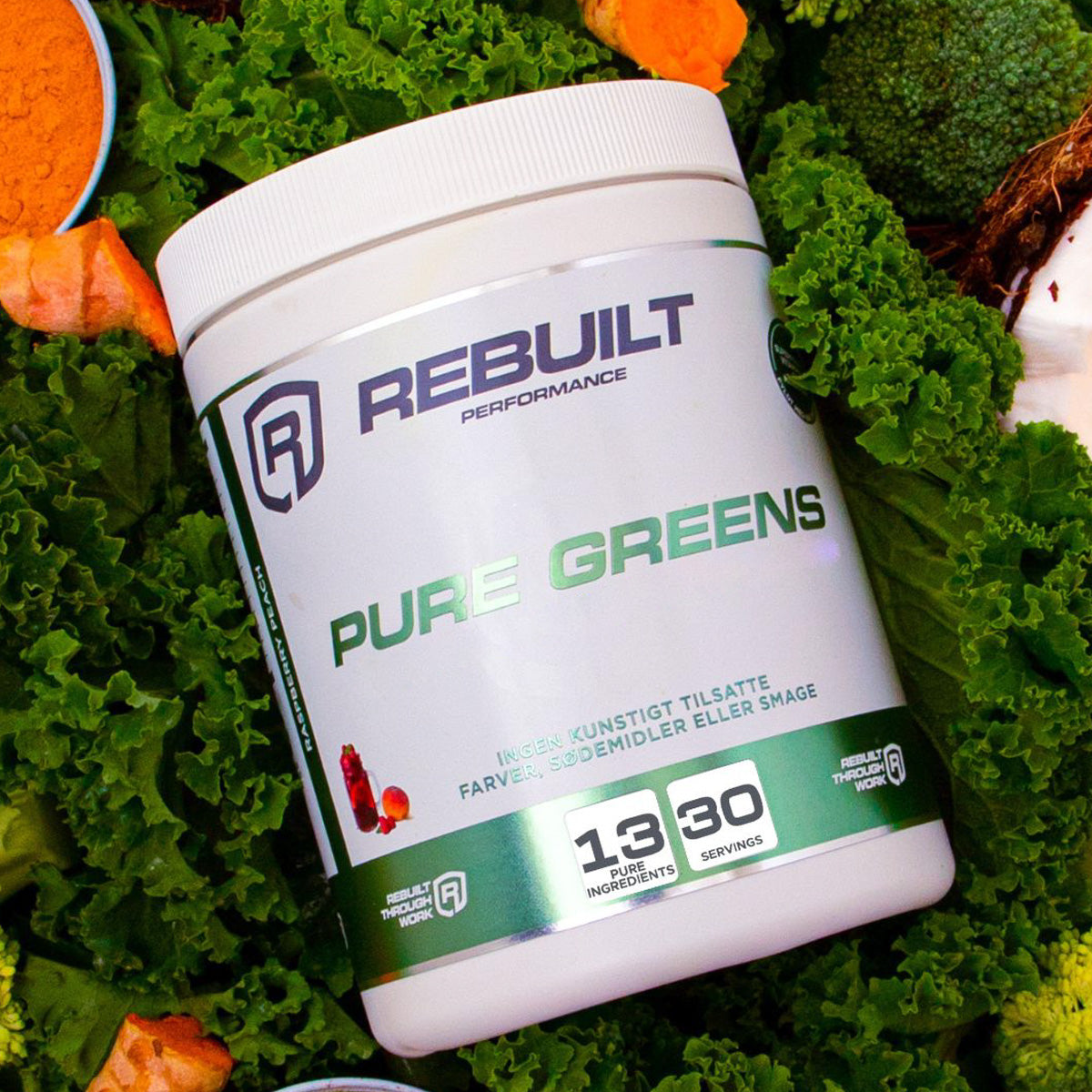
Pure Greens from Rebuilt Performance delivers 13 carefully selected, natural ingredients in one convenient daily serving, including spirulina (which supports normal immune function1) and nutrient-dense greens that help fill micronutrient gaps. It's Danish-developed, transparently labeled, and contains no artificial fillers or sweeteners.
Why Pure Greens Fits Your Daily Routine
- Exactly 13 ingredients — no proprietary blends, no hidden fillers
- 11g per serving — mix with water, smoothies, or juice
- Developed in Denmark with Scandinavian quality standards
- No lock-in subscriptions — order as you need, pause anytime
- Supports normal energy levels and immune function1
If you often feel fatigued even after a full night's sleep, the issue may not be sleep duration — it could be micronutrient deficiencies that prevent your cells from producing energy efficiently. For more on this connection, read Tiredness After Eating: Why It Happens and What to Do.
How Long Does It Take to Notice Improvement?
Most people notice reduced morning stuffiness within 1–2 weeks of implementing these changes consistently. Washing bedding, using allergen-proof covers, and controlling humidity have the fastest impact. Air purifiers and vacuuming show cumulative benefits over 3–4 weeks as allergen levels drop.
If you still wake up congested after four weeks of consistent bedroom hygiene, consider:
- Checking for hidden mold in walls, ceilings, or HVAC ducts
- Testing for specific allergen sensitivities with an allergist
- Evaluating your diet — food sensitivities can also trigger morning congestion
For guidance on common food triggers that affect digestion and systemic inflammation, see Gas and Bloating Food Triggers: What to Watch For.
What If You Do Everything Right and Still Wake Up Stuffy?
If you've optimized your bedroom environment and still experience morning congestion, the issue may be:
- Dehydration: Breathing through your mouth at night (common with nasal congestion) dries out mucous membranes. Drink water before bed and keep a glass on your nightstand. Learn more about nighttime hydration in Why You Sleep Better After Drinking Water Before Bed But Wake Up Thirsty Anyway.
- Nasal anatomy: Deviated septum, nasal polyps, or enlarged turbinates can cause chronic stuffiness unrelated to allergens.
- Chronic sinusitis: Persistent sinus inflammation requires medical evaluation and possibly antibiotics or steroid nasal sprays.
- Sleep apnea: Loud snoring, gasping, or witnessed breathing pauses during sleep warrant a sleep study — untreated sleep apnea increases cardiovascular risk and daytime fatigue.
Consult an ENT (ear, nose, and throat) specialist or sleep medicine physician if symptoms persist despite environmental interventions.
Pure Greens vs. Multivitamins: Which Supports Immune Function Better?
| Feature | Pure Greens | Typical Multivitamin |
|---|---|---|
| Ingredient count | Exactly 13 whole-food ingredients | 20–40 synthetic isolates |
| Nutrient source | Spirulina, chlorella, natural greens | Lab-synthesized vitamins |
| Transparency | Full ingredient disclosure, no blends | Often proprietary blends |
| Immune support | Spirulina supports normal immune function1 | Vitamin C and zinc (isolated) |
| Subscription model | No lock-in, order as needed | Often requires subscription |
Pure Greens is not a multivitamin — it's a whole-food greens blend designed to complement your diet with nutrient-dense ingredients your body recognizes and absorbs naturally. If you're looking for transparent, Danish-developed nutrition you can trust, Pure Greens delivers.
Frequently Asked Questions
Why do I sleep better on clean sheets but still wake up with a stuffy nose?
Clean sheets remove dust mites and allergens from your bedding surface, which improves comfort. But morning stuffiness is usually caused by airborne irritants (pet dander, mold spores, dry air) and allergens in your mattress, pillows, and bedroom air that your immune system fights all night. Washing sheets helps, but you also need allergen-proof covers, humidity control, and good ventilation to eliminate congestion.
How often should I wash my sheets to reduce bedroom allergens?
Wash sheets, pillowcases, and duvet covers once a week in hot water (at least 130°F / 54°C) to kill dust mites and remove allergen proteins. If you have severe allergies, asthma, or pets, consider washing bedding twice a week. Always dry on high heat or in direct sunlight for maximum allergen removal.
Do air purifiers really help with morning stuffiness?
Yes, when used correctly. A HEPA air purifier removes 99.97% of airborne particles ≥0.3 microns, including dust mite waste, pet dander, pollen, and mold spores. Run it continuously on low speed or for 2–3 hours before bed. Choose a purifier rated for your bedroom square footage, and replace filters as recommended by the manufacturer.
Can changing my diet reduce morning congestion?
Sometimes. Food sensitivities (especially dairy, gluten, or high-histamine foods) can trigger mucus production and nasal congestion. If you notice patterns — for example, congestion after eating ice cream or cheese — try eliminating suspect foods for 2–3 weeks and monitor symptoms. Supporting your immune system with nutrient-dense foods and greens may also help your body manage inflammation more effectively.
What humidity level is best for reducing dust mites and mold?
Keep bedroom humidity between 30–50% relative humidity. Dust mites thrive above 50%, and mold grows above 60%. Air that's too dry (below 30%) can irritate nasal passages and worsen morning stuffiness. Use a hygrometer to monitor levels and adjust with a dehumidifier or humidifier as needed.
Should I keep my bedroom window open at night?
It depends on outdoor air quality. If you live in an area with clean air, low pollen, and no traffic pollution, opening a window improves ventilation and lowers indoor CO₂ levels. But during allergy season, wildfire smoke, or in urban areas with poor air quality, keep windows closed and use a HEPA air purifier instead. Open windows for 10–15 minutes in the morning when air quality is better.
How does spirulina support normal immune function?
Spirulina is a blue-green algae rich in protein, B vitamins, iron, and antioxidants like phycocyanin. Research shows spirulina supports normal immune cell activity and helps the body manage oxidative stress.1 One serving of Pure Greens includes spirulina alongside 12 other natural ingredients to help fill micronutrient gaps and support your body's daily recovery processes.
The Bottom Line: Clean Sheets Are a Start — But Your Bedroom Air Matters More
Fresh, clean sheets improve sleep quality by removing surface allergens and creating a more comfortable sleep environment. But if you still wake up stuffy, congested, or with a scratchy throat, the real culprits are airborne irritants, humidity imbalances, and hidden allergen reservoirs in your mattress and pillows.
By washing bedding weekly, using allergen-proof covers, controlling humidity, improving ventilation, and supporting your immune system with nutrient-dense whole foods, you give your body the best chance to rest, repair, and wake up clear.
You deserve to feel like the best version of yourself every morning — rebuilt through intentional choices, quality sleep, and the right nutrition. Start with your bedroom environment, support your body with Pure Greens, and experience the difference.
Ready to Support Your Body's Natural Recovery?
Pure Greens delivers 13 natural, whole-food ingredients in one daily serving — including spirulina, chlorella, and nutrient-dense greens. No proprietary blends. No lock-in subscriptions. Just transparent, Danish-developed nutrition you can trust.
Claims Overview
- Spirulina supports normal immune function and helps the body manage oxidative stress (Kalafati et al., 2010, PMID:19936191).
References
- Kalafati M, et al. Ergogenic and antioxidant effects of spirulina supplementation in humans. Med Sci Sports Exerc. 2010;42(1):142-151. PMID:19936191.
FDA Disclaimer: These statements have not been evaluated by the Food and Drug Administration. This product is not intended to diagnose, treat, cure, or prevent any disease.
