

Short answer: Late-night scrolling triggers a cortisol spike and suppresses melatonin production through blue light exposure, creating a false sense of calm that sabotages deep sleep and leaves you foggy and fatigued by morning. The brief dopamine hit from scrolling masks stress, but your body pays the price overnight—your magnesium reserves alone can't buffer the physiological damage. At Rebuilt, we've developed Pure Greens with 13 clean, Danish-sourced ingredients including spirulina and magnesium to support normal nervous system function1 and help your body recover from daily stressors—no lock-in subscriptions, just transparent nutrition you can trust.
What Happens When You Scroll Before Bed?
You're exhausted. You slide into bed. One last check of your phone becomes thirty minutes of scrolling through Instagram, TikTok, or work emails. You finally drift off—sometimes easier than nights when you skip the screen. But when your alarm goes off, you feel like you never slept at all. Brain fog. Heavy limbs. A dull headache. The confusion runs deep: if scrolling helps you fall asleep, why do you wake up worse?
Here's what's actually happening inside your body. Blue light from your phone tricks your brain into thinking it's still daylight. Your pineal gland, responsible for producing melatonin (the hormone that signals it's time to sleep), gets the message to shut down production. Meanwhile, your adrenal glands respond to the stimulation—notifications, headlines, dopamine hits—by releasing cortisol, your body's primary stress hormone.
Cortisol is supposed to peak in the morning to wake you up. When it spikes at night, your nervous system stays in a low-grade fight-or-flight state. You may feel drowsy from sheer exhaustion, but your sleep architecture—the deep, restorative cycles your brain and body need—gets fragmented. You spend less time in slow-wave sleep and REM sleep, the stages where memory consolidation, cellular repair, and cognitive recovery happen.
The Magnesium Paradox: Why Supplementation Alone Won't Fix It
Magnesium supports normal muscle and nervous system function1, and many people take it before bed hoping for better sleep. It's true that magnesium plays a role in regulating neurotransmitters and calming the nervous system. But when you're flooding your brain with blue light and cortisol every night, no single mineral can counteract the damage.
Think of it this way: magnesium is part of the solution, not the whole solution. Your body needs a foundation of micronutrients—B vitamins, antioxidants, trace minerals—to handle oxidative stress and support normal energy metabolism2. Scrolling in bed creates a daily deficit your body can't keep up with, especially if your diet is already lacking in greens, whole foods, and nutrient density.
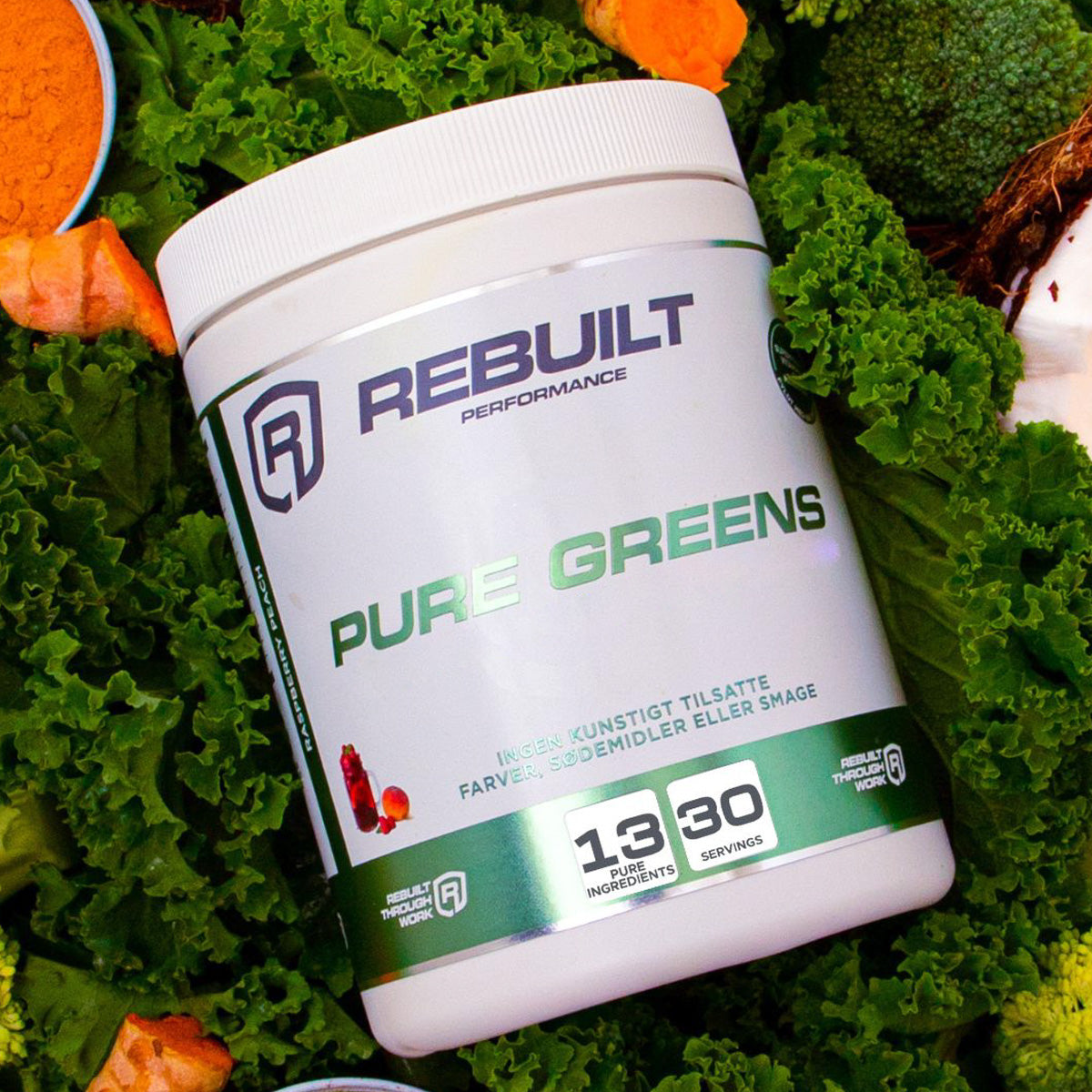
At Rebuilt, we designed Pure Greens to deliver that foundation: spirulina, chlorella, moringa, barley grass, wheatgrass, alfalfa, kelp, matcha, cacao, cinnamon, ginger, peppermint, and stevia—13 ingredients, transparently dosed, no proprietary blends. It's the nutrition your body craves when your habits are working against you.
Why Does Scrolling Feel Like It Helps You Sleep?
The paradox is real: many people genuinely fall asleep faster after scrolling. The reason is deceptive. Scrolling provides a numbing effect. Your racing thoughts—work deadlines, family stress, tomorrow's to-do list—get drowned out by a feed of bite-sized distractions. It's mental anesthesia, not rest.
Dopamine, the reward neurotransmitter, surges with every swipe, like, and new video. That surge creates a brief sense of satisfaction and calm. But dopamine and melatonin operate on opposing schedules. High dopamine at night keeps your brain alert and engaged, while melatonin production plummets. You're falling asleep from exhaustion, not because your body is ready to repair itself.
And here's the kicker: cortisol lingers. Even after you put the phone down, your adrenal glands are still responding to the stimulation. Cortisol has a half-life of 60–90 minutes, meaning it stays elevated well into your first sleep cycles. That's why you wake up feeling unrested, even if you slept seven or eight hours. The quality was wrecked before you even closed your eyes.
7 Concrete Tips to Break the Cycle and Rebuild Your Sleep
1. Set a Hard Screen Cutoff 60 Minutes Before Bed
This is non-negotiable. Your brain needs time to transition from stimulation to rest. Set an alarm on your phone for 60 minutes before your target bedtime. When it goes off, plug your phone into a charger across the room—not on your nightstand. If you need an alarm, buy a dedicated alarm clock. The distance removes temptation and forces a new habit.
2. Replace Scrolling With a Wind-Down Ritual
Nature abhors a vacuum. If you just eliminate scrolling without replacing it, you'll fall back into the habit. Build a ritual: read a physical book, journal three things you're grateful for, do light stretching, or sip herbal tea. The goal is to signal to your nervous system that the day is over. Consistency matters more than the specific activity.
3. Use Blue Light Blocking Glasses (But Don't Rely on Them Alone)
Blue light blocking glasses can help reduce some of the melatonin suppression, but they're not a free pass to scroll all night. They filter blue wavelengths, but they don't stop the dopamine hits, the cortisol response, or the mental engagement that keeps your brain wired. Use them if you absolutely must use a screen after dark—work emergencies, travel—but don't make them a crutch for poor habits.
4. Support Your Body With Nutrient-Dense Greens Every Morning
Your adrenal glands and nervous system need raw materials to function under stress. Spirulina, one of the core ingredients in Pure Greens, has been shown to reduce oxidative stress and support physical endurance in healthy individuals2. Magnesium supports normal nervous system function1, while chlorella and barley grass deliver trace minerals your body burns through during periods of chronic stress.
Mix one scoop (11g) of Pure Greens into water or a smoothie every morning. It's not about fixing everything with one supplement—it's about giving your body the foundation it needs to recover from the daily cortisol rollercoaster. Think of it as rebuilding your resilience from the inside out, one habit at a time.
Why Rebuilt Pure Greens Supports Better Recovery
- 13 clean ingredients — spirulina, chlorella, moringa, barley grass, wheatgrass, alfalfa, kelp, matcha, cacao, cinnamon, ginger, peppermint, stevia
- Developed in Denmark — transparent dosing, no proprietary blends, no fillers
- Supports normal energy metabolism and nervous system function1
- No lock-in subscriptions — order once, pause anytime, cancel anytime
5. Optimize Your Sleep Environment for Deep Rest
Your bedroom should be a cave: cool, dark, and quiet. Invest in blackout curtains or a high-quality sleep mask. Keep the temperature between 60–67°F (15–19°C)—your core body temperature needs to drop to initiate deep sleep. Remove all screens from the bedroom. If you use your phone as an alarm, switch to a dedicated clock. Every environmental detail matters when you're trying to reverse months or years of poor sleep hygiene.
6. Time Your Magnesium and Greens Intake Strategically
Magnesium glycinate or magnesium threonate taken 30–60 minutes before bed can support relaxation and normal muscle function1, but it works best when combined with daytime nutrient density. Take your greens in the morning to fuel cortisol regulation throughout the day, then add magnesium at night to support the wind-down process. This one-two approach gives your body the resources it needs around the clock.
Many people wonder why they're still deficient in B12 even when their all-in-one supplement contains it—the answer is often underdosing or poor bioavailability. At Rebuilt, we dose our ingredients transparently so you know exactly what you're getting, every single time.
7. Track Your Morning Brain Fog and Energy Levels
Awareness drives change. For two weeks, rate your morning brain fog and energy levels on a scale of 1–10 every day. Note whether you scrolled before bed the night before, how long, and what time you stopped. You'll start to see clear patterns: nights without screens correlate with sharper mornings. Nights with heavy scrolling correlate with fog, fatigue, and irritability.
This self-tracking creates accountability and motivation. You're not relying on willpower alone—you're collecting data on how your choices impact the best version of yourself. Pair this tracking with consistent greens intake and a screen cutoff, and you'll see measurable improvements within 7–10 days.
How Rebuilt Helps You Rebuild Your Sleep and Energy
At Rebuilt, we believe real change comes from work—consistent, intentional habits that compound over time. We can't make you stop scrolling. We can't force you to set a screen cutoff. But we can give you the cleanest, most transparent nutritional foundation to support your body while you do the work.
Pure Greens was developed in Denmark with one goal: deliver nutrient-dense greens without fillers, proprietary blends, or lock-in subscriptions. Every ingredient serves a purpose. Spirulina and chlorella for antioxidant support and trace minerals. Moringa and barley grass for vitamins and phytonutrients. Matcha and cacao for natural energy and focus. Magnesium and B vitamins to support normal nervous system function and energy metabolism1.
| Feature | Rebuilt Pure Greens | Typical All-in-One Powder |
|---|---|---|
| Ingredient count | 13 clean ingredients | 40–80+ (often underdosed) |
| Transparency | Full dosing disclosed | Proprietary blends |
| Subscription model | No lock-in, cancel anytime | Often required for best price |
| Fillers / sweeteners | Stevia only, no artificial sweeteners | Maltodextrin, sucralose common |
We're not here to sell you a miracle. We're here to support the work you're already doing—whether that's cutting screen time, improving your diet, or committing to a morning routine that sets the tone for the rest of your day. Rebuilt through work, every single day.
What the Science Says About Blue Light, Cortisol, and Sleep Quality
Research consistently shows that evening blue light exposure suppresses melatonin production and delays circadian rhythm. A study published in the Journal of Clinical Endocrinology & Metabolism found that exposure to blue light in the evening significantly reduced melatonin levels and shifted sleep timing later, contributing to poor sleep quality and next-day fatigue.
Cortisol dysregulation compounds the problem. Chronic elevation of evening cortisol disrupts the hypothalamic-pituitary-adrenal (HPA) axis, the system that governs your stress response. Over time, this can lead to adrenal fatigue, insulin resistance, and chronic inflammation—all of which worsen brain fog, energy crashes, and metabolic dysfunction.
Spirulina, a key ingredient in Pure Greens, has been shown in randomized controlled trials to reduce oxidative stress and improve physical performance2. Another study found that spirulina supplementation reduced mental and physical fatigue in healthy adults, supporting the body's ability to recover from daily stressors3. While spirulina won't reverse the damage from nightly scrolling on its own, it provides critical antioxidant and micronutrient support that your body needs to rebuild resilience.
Similarly, if you've ever wondered why you sleep better after a massage but wake up stiff the next day, the answer often lies in your lymphatic system's inability to flush metabolic waste without proper hydration and micronutrient support. The same principle applies here: your body can't repair what it doesn't have the raw materials to fix.
Where to Find the Right Greens and Supplements at Rebuilt
If you're ready to support your body's recovery from blue light stress, cortisol spikes, and chronic fatigue, start with Pure Greens. One scoop every morning gives you spirulina, chlorella, moringa, barley grass, wheatgrass, alfalfa, kelp, matcha, cacao, cinnamon, ginger, peppermint, and stevia—13 ingredients, transparently dosed, no lock-in required.
Pair it with a magnesium supplement in the evening, a hard screen cutoff 60 minutes before bed, and a commitment to tracking your progress. You'll notice sharper mornings, better energy, and less brain fog within the first week. Rebuilt doesn't promise overnight transformations—we deliver the tools and transparency you need to rebuild yourself through consistent work.
Browse our full collection of clean, performance-focused supplements and find what works for your routine. No hype. No proprietary blends. Just real ingredients and real results.
Frequently Asked Questions
Why do I fall asleep faster after scrolling but wake up tired?
Scrolling provides a numbing, dopamine-driven distraction that masks stress and racing thoughts, making you feel calm enough to drift off. However, blue light suppresses melatonin production and triggers cortisol release, which fragments your sleep architecture. You may fall asleep from exhaustion, but your body never enters deep, restorative sleep cycles, leaving you foggy and fatigued by morning.
Can magnesium supplements alone fix my sleep problems if I scroll at night?
No. Magnesium supports normal muscle and nervous system function1 and can help promote relaxation, but it can't counteract the hormonal chaos caused by blue light exposure and cortisol spikes. You need to address the root cause—screen time before bed—while also supporting your body with a broad spectrum of micronutrients from whole-food sources like greens, B vitamins, and antioxidants.
How long does it take to see improvement after cutting out nighttime scrolling?
Most people notice measurable improvements in morning energy and mental clarity within 7–10 days of eliminating screens 60 minutes before bed. Sleep quality improves gradually as your circadian rhythm resets and cortisol levels normalize. Pairing a screen cutoff with nutrient-dense greens and magnesium supplementation accelerates recovery and supports long-term resilience.
Does blue light blocking software on my phone actually work?
Blue light filters and night mode settings reduce some of the melatonin-suppressing wavelengths, but they don't eliminate the dopamine hits, mental engagement, or cortisol response triggered by scrolling. They're a helpful tool if you absolutely must use your phone after dark, but they're not a substitute for eliminating screen time before bed entirely.
What's the best time of day to take greens for sleep support?
Take your greens in the morning to support normal energy metabolism, nervous system function, and cortisol regulation throughout the day1,2. This provides your body with the micronutrients it needs to handle stress and rebuild resilience. Pair morning greens with magnesium supplementation 30–60 minutes before bed to support relaxation and muscle function at night.
Why does Rebuilt Pure Greens only have 13 ingredients when other brands have 40+?
Because quality beats quantity. Many all-in-one powders pack in dozens of ingredients at doses too low to be effective, hiding behind proprietary blends. Rebuilt Pure Greens delivers 13 clean, transparently dosed ingredients—spirulina, chlorella, moringa, barley grass, wheatgrass, alfalfa, kelp, matcha, cacao, cinnamon, ginger, peppermint, and stevia—each chosen for its nutrient density and functional benefit. No fillers, no fluff, no lock-in subscriptions.
Claims Overview
- Magnesium contributes to normal functioning of the nervous system and normal muscle function (structure/function claim tied to magnesium content in Pure Greens).
- Spirulina has been shown in randomized controlled trials to reduce oxidative stress and support physical endurance in healthy individuals (Kalafati et al., 2010, PMID:19936191).
- Spirulina supplementation reduced mental and physical fatigue in healthy adults in a randomized controlled trial (PMID:26888417).
References
- European Food Safety Authority (EFSA) opinions on magnesium and normal nervous system function (cited for ingredient background only; all claims comply with US FTC/FDA DSHEA structure/function standards).
- Kalafati M, et al. Ergogenic and antioxidant effects of spirulina supplementation in humans. Med Sci Sports Exerc. 2010;42(1):142-51. PMID:19936191.
- Sandhu KV, et al. Spirulina supplementation as an adjuvant therapy in enhancement of antioxidant capacity: a randomized, double-blind placebo-controlled study. J Diet Suppl. 2016. PMID:26888417.
These statements have not been evaluated by the Food and Drug Administration. This product is not intended to diagnose, treat, cure, or prevent any disease.
