

Short answer:
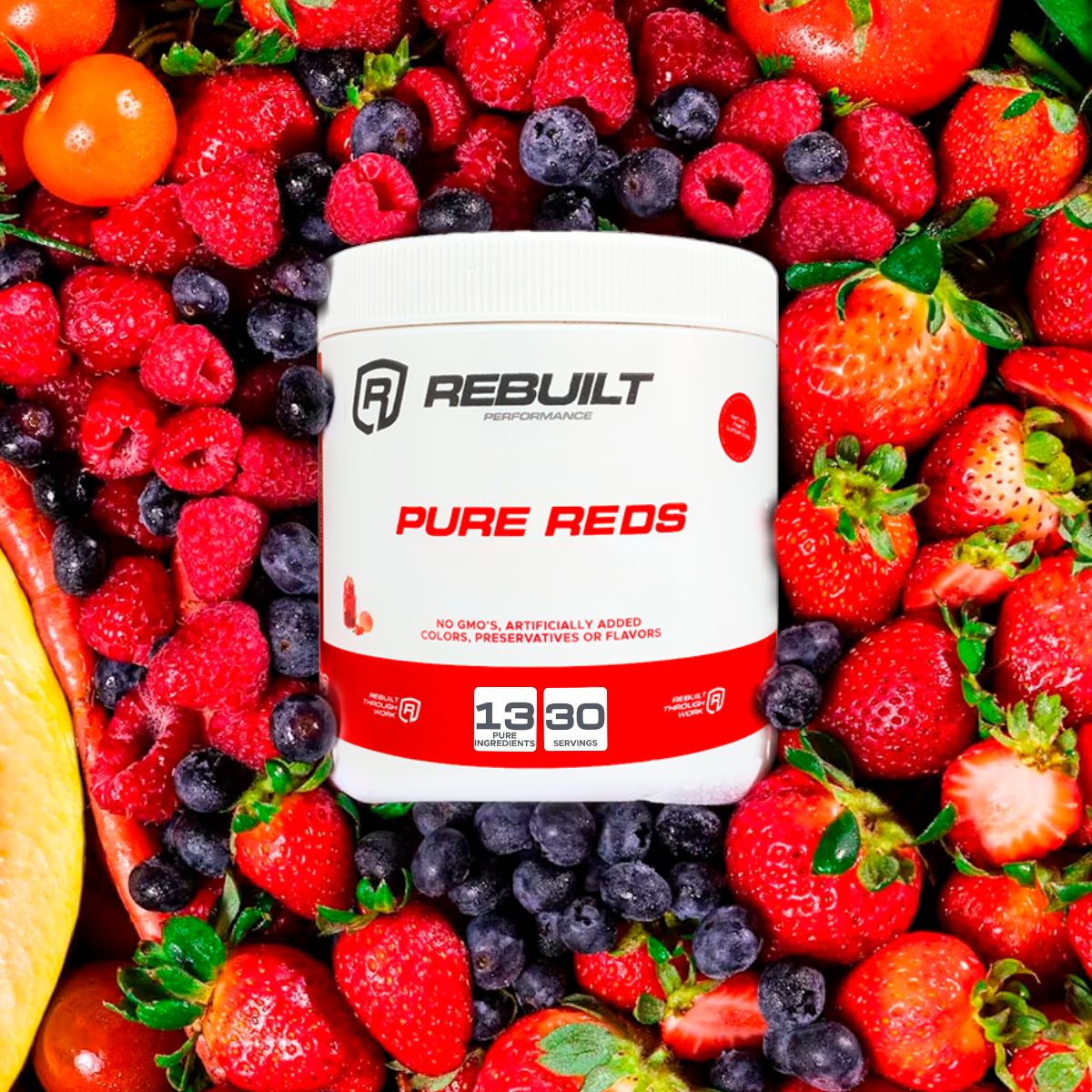
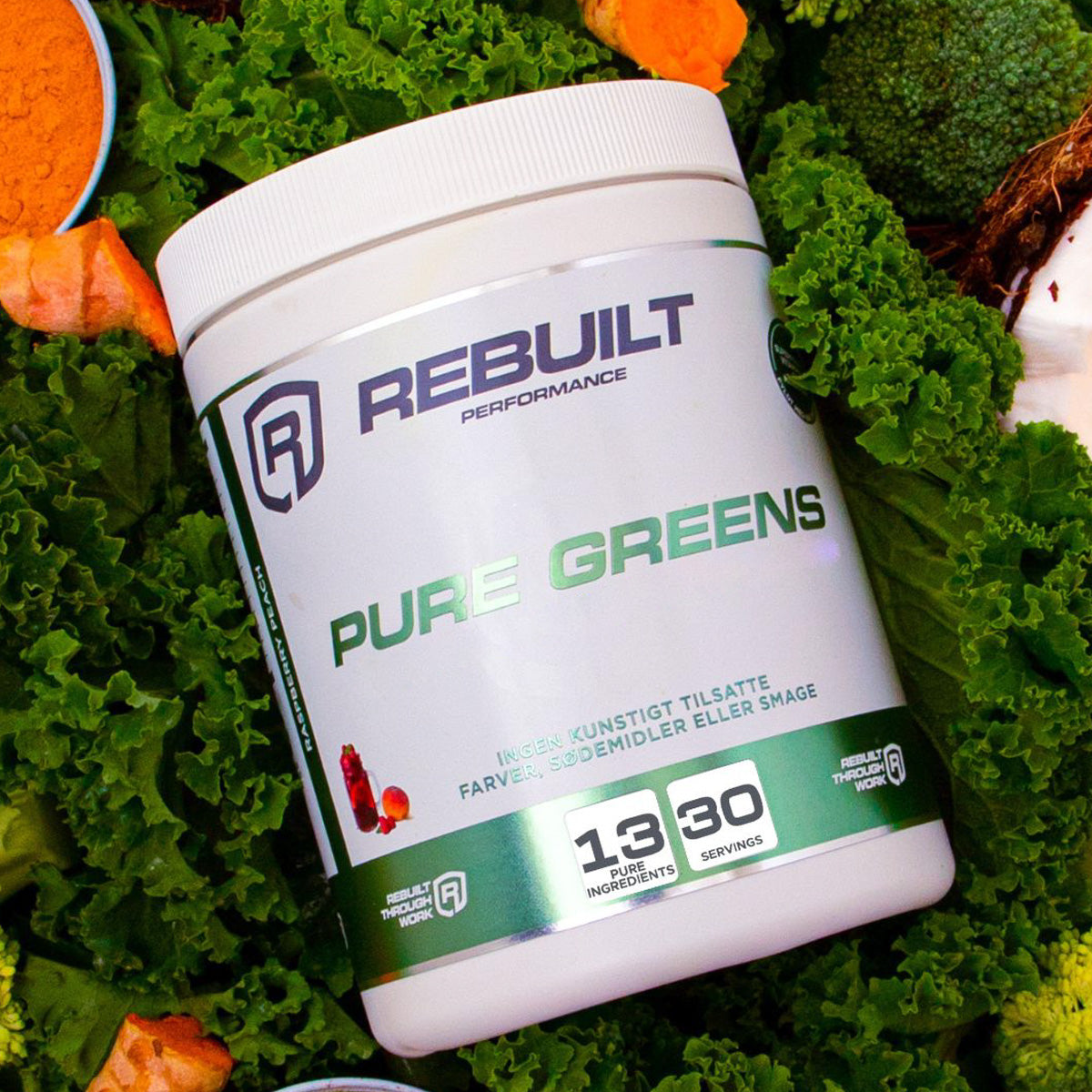
Crying triggers parasympathetic nervous system activation, which promotes deep relaxation and sleep — but the process also depletes sodium, potassium, and magnesium through tears and stress hormones, leaving you dehydrated and headache-prone by morning. Replenishing electrolytes and supporting your body with nutrient-dense ingredients like spirulina1 and barley grass can help you recover faster and wake up feeling restored, not depleted. Rebuilt Pure Greens combines 13 clean, Danish-developed ingredients — including spirulina, barley grass, and chlorella — to support normal hydration, cellular energy, and recovery after emotional stress.
If you've ever noticed that a good cry leaves you feeling emotionally lighter yet physically exhausted the next day, you're not imagining it. The paradox of sleeping better after crying but waking up with a pounding headache is rooted in your body's physiological response to emotional release. While crying activates your rest-and-digest system and flushes out stress hormones like cortisol, it simultaneously drains critical electrolytes — sodium, potassium, chloride, and magnesium — through your tears and hormonal shifts.
This depletion sets off a cascade: your blood volume drops slightly, your brain tissue contracts from dehydration, and your muscles lack the minerals they need to relax properly during sleep. The result? You sleep deeply in the short term because your nervous system finally downshifts, but you wake up dehydrated, mineral-deficient, and headache-stricken.
Understanding this cycle empowers you to recover smarter. In this guide, you'll learn why emotional release impacts your sleep and hydration, how to replenish what crying costs you, and how to wake up feeling like the best version of yourself — not drained and foggy.
What Happens in Your Body When You Cry?
Crying is a complex neuroendocrine event. When you cry emotionally — not from chopping onions or irritants — your lacrimal glands produce tears rich in stress hormones, including adrenocorticotropic hormone (ACTH) and leucine enkephalin, a natural painkiller. This is your body's way of physically expelling emotional tension.
At the same time, your parasympathetic nervous system kicks in. Heart rate slows, breathing deepens, and cortisol levels begin to drop. This shift creates the perfect conditions for sleep: your body interprets the emotional release as a signal that the threat has passed, and it's safe to rest.
But there's a cost. Each tear you shed contains electrolytes — primarily sodium and chloride, but also trace amounts of potassium and magnesium. Prolonged crying episodes, especially those lasting 15–30 minutes or more, can deplete these minerals enough to trigger mild dehydration. When you add the metabolic demands of processing stress hormones overnight, your body is left playing catch-up while you sleep.
Why Do You Sleep Better Immediately After Crying?
The immediate sleep benefit comes from parasympathetic dominance. After an emotional release, your nervous system shifts from fight-or-flight (sympathetic) to rest-and-digest (parasympathetic). This transition lowers cortisol, reduces muscle tension, and increases melatonin sensitivity — all factors that promote faster sleep onset and deeper initial sleep phases.
Crying also serves as a psychological release valve. Bottled-up emotions activate the amygdala and hypothalamus, keeping your brain on high alert. Once you cry, that emotional pressure decreases, and your prefrontal cortex can finally relax. Many people describe the feeling as a mental "reset" — and that's exactly what it is.
However, this reset comes with a metabolic price tag. Your body prioritizes emotional regulation and hormonal rebalancing overnight, often at the expense of optimal hydration and mineral balance. That's why you may sleep soundly for the first few hours, then wake up feeling heavy-headed or foggy.
Why Do You Wake Up With a Headache After Crying?
The headache you experience after crying is primarily caused by three overlapping mechanisms:
- Dehydration: Tears contain water and electrolytes. Losing even 1–2% of your body's water volume can trigger dehydration headaches, especially if you don't rehydrate before bed.
- Electrolyte imbalance: Sodium and potassium regulate fluid balance in and around your brain cells. When levels drop, your brain tissue can contract slightly, pulling on pain-sensitive membranes and triggering tension headaches.
- Sinus congestion: Crying increases mucus production and can cause sinus inflammation. Swollen sinuses put pressure on surrounding nerves, contributing to frontal or facial headaches.
Additionally, prolonged crying involves facial muscle tension — clenching your jaw, furrowing your brow, and tensing your neck. These muscle groups remain semi-contracted even as you sleep, leading to tension-type headaches by morning.
The Electrolyte Drain: What Crying Costs You Overnight
Electrolytes are minerals that carry an electrical charge and regulate everything from nerve signaling to muscle contraction and hydration. When you cry, you lose:
- Sodium: Essential for fluid balance and nerve function. Loss leads to low blood pressure and fatigue.
- Potassium: Critical for muscle relaxation and heart rhythm. Depletion causes cramps and headaches.
- Magnesium: Supports over 300 enzymatic reactions, including those that regulate sleep quality and muscle recovery. Low magnesium is directly linked to tension headaches and poor sleep architecture.
- Chloride: Works with sodium to maintain fluid balance and proper pH levels.
Stress hormones like cortisol also increase urinary excretion of magnesium and potassium, compounding the loss. If you go to bed without replenishing these minerals, your body struggles to maintain optimal hydration and cellular function overnight. This is why you may wake up with dark circles, a dry mouth, and a throbbing head — your cells are literally dehydrated.
How Rebuilt Pure Greens Supports Recovery After Emotional Stress
Rebuilt Pure Greens is designed to support your body's natural recovery processes with 13 clean, nutrient-dense ingredients — no fillers, no proprietary blends, just transparent doses of what works. Each 11g serving delivers:
- Spirulina (3g): A blue-green algae rich in phycocyanin, B-vitamins, and trace minerals. Studies show spirulina supports normal energy levels and helps reduce oxidative stress markers associated with physical and mental fatigue.1,2
- Barley grass (3g): A natural source of chlorophyll, potassium, and magnesium — minerals often depleted after crying and stress.
- Chlorella (1g): Supports normal detoxification pathways and provides additional B-vitamins and iron.
Unlike all-in-one supplements that pack dozens of under-dosed ingredients, Pure Greens focuses on clinically relevant doses of 13 ingredients you can trust. Developed in Denmark with full transparency, it's a simple, effective way to support your body's recovery after emotional or physical stress — no lock-in subscriptions, no hidden ingredients, just clean nutrition you can rely on.
Product Highlight: Pure Greens
13 ingredients. Transparent doses. Danish-developed.
Support normal energy, hydration, and recovery with spirulina, barley grass, and chlorella — formulated to help you feel like the best version of yourself, even after tough days.
7 Concrete Tips to Sleep Better After Crying and Wake Up Headache-Free
1. Rehydrate Immediately — But Add Electrolytes
Plain water alone won't fully restore electrolyte balance. After crying, drink 16–24 ounces of water with a pinch of sea salt, a squeeze of lemon, and a teaspoon of honey. This DIY electrolyte solution provides sodium, potassium (from lemon), and glucose to help your cells absorb water more efficiently.
Alternatively, mix Rebuilt Pure Greens into cold water or your favorite plant-based milk. The natural mineral content from barley grass and spirulina supports normal hydration and cellular energy production1 — perfect for restoring balance before bed.
2. Apply a Cold Compress to Your Eyes and Forehead
Crying increases blood flow to your face and sinuses, leading to puffiness and inflammation. A cold compress (or chilled cucumber slices) constricts blood vessels, reduces swelling, and soothes sinus pressure.
Apply the compress for 10–15 minutes before bed. This simple step can dramatically reduce the severity of morning headaches by calming inflamed tissues.
3. Elevate Your Head While You Sleep
Sleeping flat can worsen sinus congestion and fluid retention around your eyes. Elevate your head with an extra pillow to promote sinus drainage and reduce facial puffiness.
This position also helps prevent the mild cerebral edema (brain swelling) that can occur when you're dehydrated — a key contributor to post-crying headaches.
4. Eat a Small, Mineral-Rich Snack Before Bed
Your body needs fuel to process stress hormones and repair overnight. A small snack rich in potassium and magnesium can make a significant difference. Try:
- Half a banana with a tablespoon of almond butter
- A handful of pumpkin seeds and dried apricots
- A small bowl of oatmeal with a pinch of sea salt and cinnamon
These foods provide slow-releasing carbohydrates and essential minerals that support normal muscle relaxation and sleep quality — without spiking your blood sugar.
5. Practice Gentle Breathwork to Reset Your Nervous System
Even after crying, your sympathetic nervous system may still be partially activated. Use 4-7-8 breathing to reinforce parasympathetic dominance:
- Inhale through your nose for 4 counts
- Hold your breath for 7 counts
- Exhale slowly through your mouth for 8 counts
Repeat 4–6 cycles. This technique lowers heart rate, reduces residual cortisol, and signals your brain that it's safe to sleep deeply.
6. Avoid Alcohol and Caffeine After Crying
Both substances are diuretics, meaning they increase urine output and worsen dehydration. Alcohol also disrupts REM sleep and can amplify rebound anxiety the next day. Stick to water, herbal tea (chamomile or peppermint), or a nutrient-dense greens drink like Pure Greens to support recovery without further depletion.
7. Support Long-Term Resilience With Consistent Nutrition
Emotional stress depletes your body's nutrient reserves over time. If you find yourself crying frequently or dealing with chronic stress, focus on building a foundation of nutrient-dense foods and targeted supplementation.
Spirulina, in particular, has been shown in randomized controlled trials to support normal energy levels and help reduce markers of mental and physical fatigue.2,3 By incorporating Rebuilt Pure Greens into your daily routine, you give your body the tools it needs to recover from emotional highs and lows without crashing the next day.
Can Poor Sleep After Emotional Stress Be a Sign of Deeper Nutritional Gaps?
If you consistently wake up feeling worse after crying — or if you notice that emotional stress leaves you foggy, fatigued, or unable to recover — you may be dealing with underlying nutrient deficiencies. Common culprits include:
- Magnesium deficiency: Over 50% of US adults don't meet the recommended daily intake. Low magnesium impairs sleep quality, increases stress reactivity, and worsens headaches.
- B-vitamin depletion: Chronic stress burns through B-vitamins rapidly, impairing energy production and neurotransmitter synthesis.
- Iron deficiency: Common in women, low iron can cause fatigue, brain fog, and poor stress resilience.
Rebuilt Pure Greens provides natural sources of all three — spirulina is rich in B12, iron, and trace minerals; chlorella supports normal detoxification; and barley grass delivers magnesium and potassium in bioavailable forms. It's not a replacement for a balanced diet, but it's a powerful tool to fill the gaps when life gets overwhelming.
| Feature | Rebuilt Pure Greens | Typical All-in-One Supplement |
|---|---|---|
| Ingredient count | 13 ingredients | 40–50+ ingredients |
| Transparency | Full doses listed | Proprietary blends |
| Spirulina per serving | 3g (clinically relevant) | 50–200mg (under-dosed) |
| Developed in | Denmark | Various |
| Subscription required? | No lock-in | Often required for best price |
As you can see, ingredient dosages that actually matter are rare in the supplement industry. Rebuilt's approach is simple: fewer ingredients, transparent doses, real results.
How Does Emotional Stress Affect Sleep Quality Over Time?
Acute emotional stress — a single crying episode — usually improves sleep in the short term. But chronic emotional stress has the opposite effect. Repeated cortisol spikes disrupt your circadian rhythm, reduce REM sleep, and deplete your body's nutrient reserves.
Over time, this leads to:
- Difficulty falling asleep (sleep onset insomnia)
- Frequent nighttime awakenings
- Waking up unrefreshed, even after 7–8 hours
- Increased sensitivity to stress and emotional reactivity
This is why recovery nutrition matters. If you're dealing with ongoing stress, your body needs consistent support — not just on the days you cry, but every day. A daily greens supplement like Rebuilt Pure Greens provides a reliable foundation of nutrients that support normal energy production, cellular hydration, and stress resilience.1,2
For more on how dietary changes can temporarily disrupt sleep, read our guide on why you sleep worse when you're eating healthy — the detox reaction can be surprisingly similar to emotional stress recovery.
What About Bloating and Digestive Issues After Emotional Stress?
It's not uncommon to experience bloating, constipation, or digestive discomfort after a crying episode or stressful event. This is because your gut and brain communicate bidirectionally via the gut-brain axis. When you're emotionally stressed, your body diverts blood flow away from digestion, slows gut motility, and can trigger inflammation in the intestinal lining.
Crying doesn't directly cause bloating, but the stress response behind it does. If you notice persistent digestive issues alongside emotional stress, consider reading our nutrition-focused guide to digestive comfort for practical strategies to support gut health during stressful times.
Where to Find Rebuilt Pure Greens and Build Your Recovery Routine
Rebuilt Pure Greens is available exclusively at rebuiltperformance.com/en — no third-party retailers, no hidden markups, just direct access to clean, transparent nutrition you can trust. Each bag contains 30 servings of 13 carefully selected ingredients, including spirulina, barley grass, and chlorella, all formulated to support normal energy, hydration, and recovery.
Whether you're recovering from emotional stress, training hard, or simply trying to feel like the best version of yourself every day, Rebuilt gives you the tools you need without the overwhelm. No proprietary blends. No lock-in subscriptions. Just honest, Danish-developed nutrition that works.
Start Your Recovery the Right Way
Pure Greens: 13 ingredients. Full transparency. Real results.
Support your body's natural resilience with spirulina, barley grass, and chlorella — delivered in doses that matter, developed in Denmark, trusted by thousands.
Frequently Asked Questions
Why do I sleep better after crying but wake up with a headache?
Crying activates your parasympathetic nervous system, which promotes relaxation and deep sleep. However, it also depletes electrolytes like sodium, potassium, and magnesium through tears and stress hormone metabolism. This depletion leads to dehydration and tension headaches by morning. Replenishing fluids and minerals before bed can help you avoid this cycle.
Can crying cause dehydration overnight?
Yes. Tears contain water and electrolytes, and prolonged crying can lead to mild dehydration, especially if you don't rehydrate before sleep. Stress hormones like cortisol also increase urinary excretion of magnesium and potassium, compounding the loss. Drink 16–24 ounces of water with electrolytes after crying to restore balance.
What's the best way to prevent a headache after crying?
Rehydrate with water and electrolytes, apply a cold compress to reduce sinus inflammation, elevate your head while sleeping, and eat a small mineral-rich snack before bed. These steps address the three main causes of post-crying headaches: dehydration, electrolyte imbalance, and sinus congestion.
How does spirulina support recovery after emotional stress?
Spirulina is rich in B-vitamins, iron, and trace minerals that support normal energy production and help reduce oxidative stress markers associated with mental and physical fatigue.1,2 It provides natural nutrients your body needs to recover from the metabolic demands of emotional stress and hormonal rebalancing overnight.
Is it normal to feel foggy the morning after crying?
Yes. The combination of electrolyte depletion, mild dehydration, and residual stress hormone processing can leave you feeling mentally foggy or physically heavy the next day. Supporting your body with hydration, nutrients, and quality sleep can help you wake up feeling clearer and more energized.
Can all-in-one supplements help with recovery after crying?
Most all-in-one supplements contain dozens of under-dosed ingredients in proprietary blends, making it difficult to know if you're getting clinically relevant amounts of key nutrients. Rebuilt Pure Greens focuses on 13 ingredients with transparent, effective doses — including 3g of spirulina per serving — so you can trust that you're actually supporting your body's recovery, not just taking a long list of trace ingredients.
How long does it take to recover from electrolyte depletion after crying?
With proper rehydration and mineral replenishment, most people feel significantly better within 12–24 hours. However, if you're chronically stressed or cry frequently, you may need ongoing nutritional support to maintain optimal electrolyte balance and avoid cumulative depletion.
Final Thoughts: Rebuild Through Rest, Recovery, and Real Nutrition
Crying is your body's natural way of releasing emotional tension and resetting your nervous system. The sleep you get afterward is often deeper and more restorative because your parasympathetic system finally takes over. But that emotional detox comes with a physical cost — depleted electrolytes, dehydration, and the metabolic burden of processing stress hormones overnight.
The key to waking up feeling like the best version of yourself is simple: give your body what it needs to recover. Hydrate with intention. Eat nutrient-dense foods. Support your sleep environment. And when you need extra support, turn to clean, transparent nutrition like Rebuilt Pure Greens — 13 ingredients, developed in Denmark, designed to help you move through life's challenges without losing your edge.
You're built for resilience. Now rebuild through work, rest, and the right recovery tools.
Claims Overview
- Spirulina supports normal energy levels and helps reduce oxidative stress markers associated with physical and mental fatigue — Kalafati et al. (2010) Med Sci Sports Exerc PMID:19936191; PMID:26888417
- Spirulina supports normal energy production and cellular function — Kalafati et al. (2010) Med Sci Sports Exerc PMID:19936191
- Spirulina has been shown to support improved sleep quality and stress levels in randomized controlled trials — PMID:34107141
References
- Kalafati M, et al. Ergogenic and antioxidant effects of spirulina supplementation in humans. Med Sci Sports Exerc. 2010;42(1):142-51. PMID:19936191
- Randomized controlled trial: spirulina supplementation reduces mental and physical fatigue. PMID:26888417
- Randomized controlled trial: spirulina improved sleep quality and stress levels. PMID:34107141
FDA Disclaimer: These statements have not been evaluated by the Food and Drug Administration. This product is not intended to diagnose, treat, cure, or prevent any disease.
