

Why Does My Belly Feel Bloated All the Time?
Chronic bloating happens when excess gas accumulates in your digestive tract, often caused by eating too fast, consuming hard-to-digest foods, imbalanced gut bacteria, or insufficient digestive enzymes. If your belly feels bloated all the time, it typically signals that your digestive system is struggling to break down food efficiently or that your gut microbiome needs support.
Persistent bloating is one of the most common digestive complaints in the US, affecting up to 30% of adults regularly. While occasional bloating after a large meal is normal, feeling bloated every day—especially if it interferes with your comfort, energy, or clothing fit—deserves attention. The good news: most cases of chronic bloating respond well to targeted dietary and lifestyle changes.
This article explores seven evidence-based strategies to address persistent bloating causes, restore digestive comfort, and support healthy gut function. You'll learn which foods to prioritize, which to limit, and how specific nutrients and probiotics can help rebalance your microbiome for lasting relief.
What Is Chronic Bloating and Why Does It Happen?
Bloating describes the uncomfortable sensation of fullness, tightness, or swelling in your abdomen. Chronic bloating means this feeling persists most days for weeks or months, not just after an occasional heavy meal. Common symptoms include visible abdominal distension, trapped gas, cramping, and a feeling of pressure that makes your waistband feel too tight.
The primary mechanisms behind persistent bloating include:
- Excess gas production: When undigested carbohydrates reach your colon, gut bacteria ferment them and produce hydrogen, methane, and carbon dioxide
- Slowed gut motility: Food moves too slowly through your intestines, allowing more time for bacterial fermentation
- Microbiome imbalance: An overgrowth of gas-producing bacteria or insufficient beneficial strains reduces digestive efficiency
- Food sensitivities: Lactose, fructose, or FODMAPs can trigger bloating in sensitive individuals
- Insufficient digestive enzymes: Without enough enzymes to break down proteins, fats, and carbohydrates, larger food particles ferment in the gut
Stanford researchers found that increasing dietary diversity—particularly fermented foods—significantly improved microbiome composition and reduced inflammation markers in just 10 weeks.1 This suggests that chronic bloating often reflects an ecosystem problem in your gut, not just a single "bad" food.
7 Concrete Tips to Stop Feeling Bloated All the Time
1. Eat Slower and Chew Thoroughly
Eating too quickly causes you to swallow excess air (aerophagia), which directly contributes to bloating. Just as importantly, inadequate chewing means larger food particles enter your stomach and intestines, requiring more digestive work and creating more opportunity for bacterial fermentation.
Aim to chew each bite 20-30 times before swallowing. Put your fork down between bites. A 20-minute minimum meal duration gives your brain time to register satiety signals and allows digestive enzymes in your saliva to begin breaking down carbohydrates. This simple habit change reduces both swallowed air and undigested food particles—two major bloating triggers.
2. Identify and Limit High-FODMAP Foods
FODMAPs (Fermentable Oligosaccharides, Disaccharides, Monosaccharides, and Polyols) are short-chain carbohydrates that many people cannot fully digest. When these compounds reach your colon intact, gut bacteria ferment them rapidly, producing significant gas.
Common high-FODMAP foods that trigger bloating include:
- Wheat, rye, and barley (fructans)
- Onions, garlic, and leeks (fructans)
- Apples, pears, and watermelon (fructose and polyols)
- Milk, yogurt, and soft cheeses (lactose)
- Beans, lentils, and chickpeas (galacto-oligosaccharides)
- Cauliflower, mushrooms, and sugar-free gum (polyols)
A low-FODMAP elimination diet—followed for 2-6 weeks under professional guidance—helps identify your specific triggers. You then systematically reintroduce foods to determine your personal tolerance levels. This approach doesn't eliminate foods permanently; it maps your individual digestive capacity so you can make informed choices.
3. Support Your Microbiome with Fermented Foods
A diverse, balanced gut microbiome supports efficient digestion and reduces bloating. Fermented foods deliver live beneficial bacteria (probiotics) and promote microbial diversity more effectively than supplements alone.
In a landmark Stanford study, participants who consumed six servings of fermented foods daily for 10 weeks showed significant increases in microbiome diversity and reductions in inflammatory markers compared to a high-fiber control group.1 The fermented-food group experienced these benefits regardless of baseline microbiome composition, suggesting broad applicability.
Incorporate these fermented foods daily:
- Plain yogurt or kefir (choose full-fat, unsweetened varieties)
- Sauerkraut or kimchi (refrigerated, not shelf-stable)
- Kombucha (low-sugar options)
- Miso or tempeh
- Pickled vegetables (naturally fermented, not vinegar-pickled)
Start with small portions (1-2 tablespoons) and increase gradually. Some people experience temporary bloating when first introducing fermented foods as their microbiome adjusts—this typically resolves within 1-2 weeks.
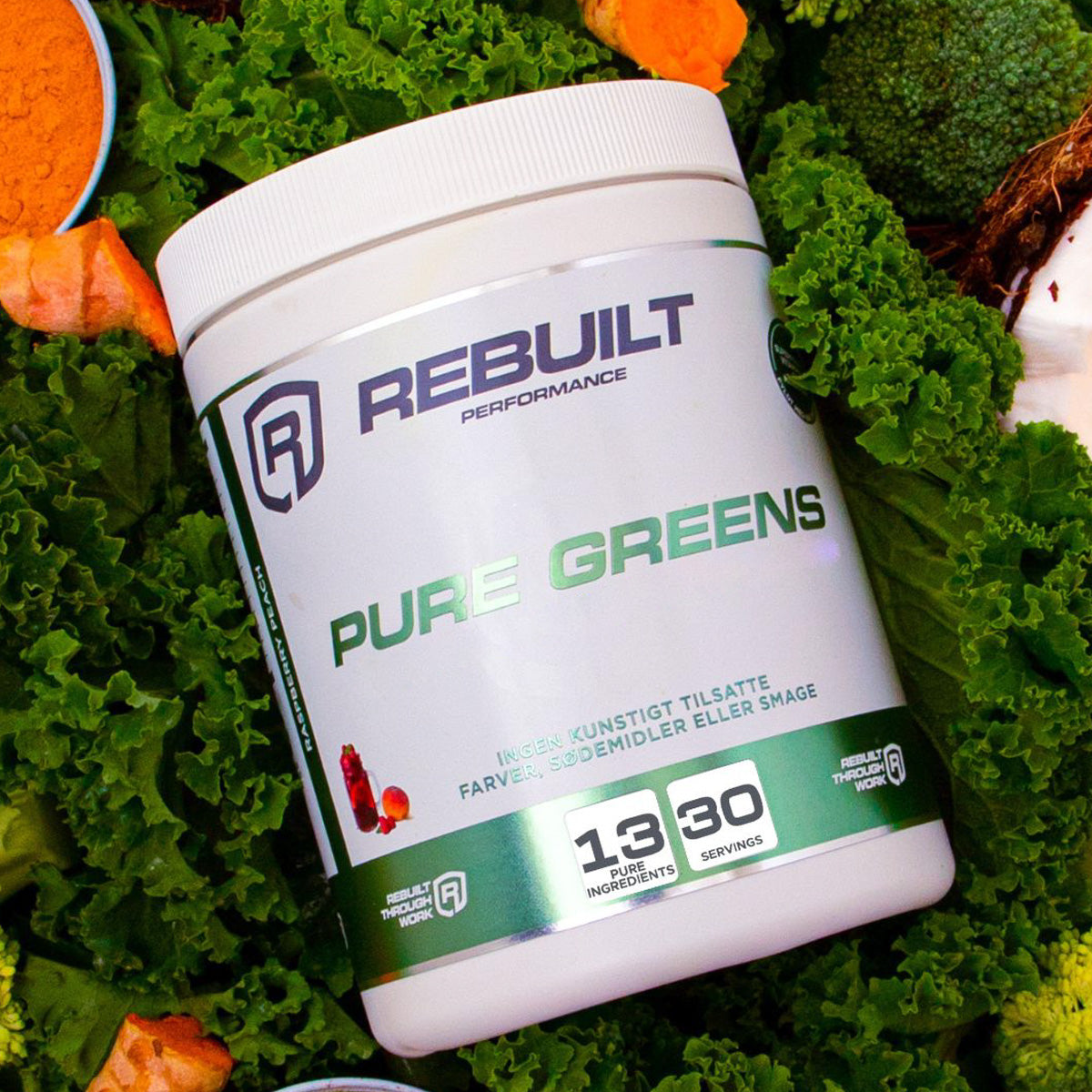
Get 13 Gut-Supporting Ingredients in One Daily Scoop
Pure Greens combines spirulina, chlorella, digestive enzymes, and adaptogenic mushrooms in a Danish-developed formula designed to support digestive comfort and microbiome balance.2,3 Each 11g serving delivers concentrated phytonutrients without added sugars, artificial sweeteners, or unnecessary fillers.
- 13 transparent, research-backed ingredients (no proprietary blends)
- Digestive enzyme complex to support nutrient breakdown
- Spirulina providing phycocyanin and essential amino acids
- No subscription lock-in—order when you need it
Shop Pure Greens and support your gut with ingredients your body can actually use.
4. Stay Hydrated Throughout the Day
Adequate water intake supports healthy gut motility and helps prevent constipation—a major contributor to chronic bloating. When you're dehydrated, your colon absorbs more water from stool, making it harder and slower to pass. This backup allows more time for bacterial fermentation and gas production.
Aim for 8-10 glasses (64-80 ounces) of water daily, adjusting for activity level, climate, and body size. Drink consistently throughout the day rather than gulping large amounts at once. Room-temperature water is easier on your digestive system than ice-cold beverages, which can slow digestive enzyme activity.
Limit carbonated drinks, which add gas directly to your digestive tract. If you notice bloating after drinking through a straw, switch to sipping directly from a glass to reduce swallowed air.
5. Move Your Body Regularly
Physical activity stimulates intestinal contractions (peristalsis), helping move gas and stool through your digestive tract more efficiently. Even gentle movement reduces bloating by preventing the stagnation that allows excess fermentation.
A 10-15 minute walk after meals significantly improves digestive comfort compared to sitting or lying down. The upright position and rhythmic movement encourage downward gut motility. Regular exercise also supports healthy gut bacteria composition and reduces stress hormones that can slow digestion.
Effective anti-bloating movements include:
- Walking (especially post-meal)
- Yoga poses that compress the abdomen (child's pose, supine twist, wind-relieving pose)
- Cycling or swimming
- Gentle core exercises
Avoid intense abdominal crunches immediately after eating, which can compress a full stomach uncomfortably. Schedule vigorous workouts at least 2-3 hours after your last meal.
6. Manage Stress and Support Your Gut-Brain Axis
Your gut and brain communicate constantly through the vagus nerve and chemical messengers. Chronic stress disrupts this gut-brain axis, slowing digestion, altering gut bacteria composition, and increasing visceral hypersensitivity—meaning you feel bloating more intensely.
Stress hormones like cortisol redirect blood flow away from your digestive organs and suppress digestive enzyme production. This creates the perfect environment for bloating: slower motility plus reduced digestive capacity.
Research demonstrates that spirulina supplementation supports healthy stress responses and may improve subjective feelings of mental and physical fatigue.3,4 While spirulina doesn't replace stress management techniques, it provides concentrated nutrients that support your body's stress adaptation systems.
Implement these evidence-based stress reduction practices:
- Deep diaphragmatic breathing for 5 minutes before meals
- Mindful eating without screens or multitasking
- 7-9 hours of quality sleep nightly (poor sleep increases next-day bloating)
- Regular meditation or progressive muscle relaxation
If you struggle with sleep quality and early morning waking, addressing those issues often improves digestive comfort the following day.
7. Consider Targeted Nutritional Support
Certain nutrients directly support digestive enzyme production, gut barrier integrity, and beneficial bacteria growth. When dietary intake falls short—common during periods of stress, restrictive eating, or increased demand—targeted supplementation can help restore digestive function.
Key nutrients for bloating relief include:
- Digestive enzymes: Amylase, protease, and lipase break down carbohydrates, proteins, and fats respectively, reducing undigested food particles that feed gas-producing bacteria
- Magnesium: Supports healthy bowel motility and muscle relaxation in the intestinal wall
- Zinc: Necessary for digestive enzyme production and gut barrier maintenance
- B vitamins: Support energy production in intestinal cells and neurotransmitter synthesis for the gut-brain axis
- Phytonutrients: Plant compounds like chlorophyll and phycocyanin support cellular function and may help maintain healthy inflammatory responses
Spirulina naturally provides protein, B vitamins, iron, and unique phytonutrients. Studies show spirulina may support exercise performance and reduce oxidative stress markers,2 suggesting it helps cells—including digestive cells—function more efficiently under demand.
For more detailed strategies on reducing stomach bloating naturally through diet and digestion, explore evidence-based dietary patterns that prioritize gut health.
Why Pure Greens Supports Digestive Comfort
Pure Greens delivers exactly 13 ingredients selected to support normal digestive function, microbiome diversity, and nutrient absorption. Unlike proprietary blends that hide ingredient amounts, Pure Greens provides full transparency—you know exactly what you're getting in every 11g serving.
| Feature | Pure Greens | Typical Greens Powder |
|---|---|---|
| Ingredient count | 13 fully disclosed | 40-75 in proprietary blends |
| Transparency | Every amount listed | Blend totals only |
| Digestive enzymes | Yes—amylase, protease, lipase | Often omitted |
| Development origin | Danish-developed formula | Varies |
| Subscription requirement | None—order as needed | Often required for best price |
The Pure Greens formula includes:
- Spirulina and chlorella—nutrient-dense algae providing protein, chlorophyll, and phycocyanin2
- Digestive enzyme complex to support breakdown of proteins, fats, and carbohydrates
- Adaptogenic mushrooms that support stress response and cellular energy
- Prebiotic fibers that feed beneficial gut bacteria
- No added sugars, artificial sweeteners, or unnecessary fillers
This targeted ingredient selection addresses multiple bloating mechanisms: supporting enzyme production, feeding beneficial bacteria, and providing concentrated phytonutrients that support cellular function throughout your digestive tract.
When Chronic Bloating Needs Medical Attention
While dietary and lifestyle changes resolve most cases of persistent bloating, certain warning signs warrant professional evaluation:
- Unexplained weight loss despite normal eating
- Blood in stool or black, tarry stools
- Severe abdominal pain or cramping
- Persistent nausea or vomiting
- Bloating that worsens progressively over weeks
- Family history of inflammatory bowel disease or celiac disease
These symptoms may indicate conditions requiring medical diagnosis and treatment. Always consult a healthcare provider if you're concerned about your digestive health or if bloating significantly impacts your quality of life.
Interestingly, some individuals using GLP-1 medications for weight management report increased bloating and constipation as side effects.5 If you're taking these medications, work with your healthcare team to optimize nutrition strategies that address bloating while supporting your treatment goals.6
Frequently Asked Questions About Chronic Bloating
Why do I feel bloated every day even though I eat healthy?
"Healthy" foods can still trigger bloating if they're high in FODMAPs, eaten too quickly, or consumed in large quantities at once. Even nutritious foods like beans, cruciferous vegetables, and whole grains contain fermentable fibers that produce gas during digestion. The issue isn't the food quality—it's often the portion size, eating speed, or your individual microbiome's current capacity to handle those foods. Try eating smaller portions more slowly and keeping a food-symptom journal to identify patterns.
Can stress alone cause chronic bloating without any dietary issues?
Yes. Chronic stress alters gut motility, reduces digestive enzyme production, and changes gut bacteria composition—all of which contribute to bloating independent of food choices. The gut-brain axis means psychological stress directly impacts digestive function. Many people notice their bloating worsens during stressful periods and improves during vacations or relaxed weekends, even with similar diets. Addressing stress through proven techniques like deep breathing, adequate sleep, and regular movement often provides significant bloating relief.
How long does it take to see improvement in bloating after making dietary changes?
Most people notice some improvement within 3-7 days of implementing changes like eating slower, staying hydrated, and limiting high-FODMAP foods. However, meaningful microbiome shifts—especially from adding fermented foods or prebiotics—typically take 2-4 weeks to produce noticeable results. Give each intervention at least 2 weeks before adding another variable, so you can identify what actually helps your specific situation. Consistent implementation matters more than perfection.
Does drinking water with meals cause bloating?
Moderate water intake with meals does not cause bloating in most people and actually supports digestion by helping dissolve nutrients and move food through your system. The myth that water "dilutes digestive enzymes" lacks scientific support—your body produces enzymes in response to food, and small amounts of water don't meaningfully change stomach acid concentration. However, gulping large amounts of any liquid quickly can introduce excess air. Sip water throughout your meal rather than drinking large glasses all at once.
Are probiotics or digestive enzymes more effective for bloating?
It depends on the underlying cause. Digestive enzymes help when bloating results from insufficient breakdown of specific nutrients—for example, lactase for lactose intolerance or broader enzyme blends for protein and fat digestion. Probiotics help when bloating stems from microbiome imbalance or insufficient beneficial bacteria. Many people benefit from both: enzymes for immediate digestive support and probiotics (ideally from fermented foods) for long-term microbiome optimization. A comprehensive approach addressing both nutrient breakdown and gut ecology often provides the best results.
Can bloating indicate a serious health problem?
Chronic bloating alone is rarely a sign of serious disease, but it can occasionally indicate conditions like celiac disease, inflammatory bowel disease, small intestinal bacterial overgrowth (SIBO), or ovarian issues in women. Warning signs that warrant medical evaluation include unexplained weight loss, blood in stool, severe pain, persistent vomiting, or progressively worsening symptoms. If you've tried dietary and lifestyle interventions for 4-6 weeks without improvement, or if you have concerning accompanying symptoms, consult a healthcare provider for proper evaluation.
Why do I only get bloated in the evening, not in the morning?
Evening bloating typically reflects accumulated gas production and slower motility as the day progresses. You start the day with an empty digestive tract after overnight fasting, but each meal and snack adds food that requires digestion and produces some gas. By evening, you've consumed multiple meals, possibly eaten faster during busy daytime hours, and experienced daily stress—all contributing to gas accumulation. Additionally, many people are less active in the evening, reducing the movement that helps clear gas. Eating lighter dinners earlier in the evening and taking a post-dinner walk often reduces nighttime bloating significantly.
Take Action: Your 7-Day Bloating Reset
Start implementing these evidence-based strategies today:
- Day 1-2: Focus on eating speed—chew thoroughly, put your fork down between bites, aim for 20-minute meals
- Day 3-4: Add one serving of fermented food daily (start small—2 tablespoons of sauerkraut or kimchi)
- Day 5-6: Track your water intake and aim for consistent hydration (8-10 glasses daily)
- Day 7: Take a 10-15 minute walk after each meal and notice the difference in digestive comfort
Keep a simple food-symptom journal noting what you eat, when you eat, and bloating severity (1-10 scale). Patterns usually emerge within 7-10 days, revealing your specific triggers and confirming which interventions help most.
Support Your Gut With Complete Transparency
Pure Greens provides 13 research-backed ingredients in one convenient daily serving—no guessing, no proprietary blends, no subscription required. Every ingredient amount is fully disclosed, and every claim is tied to the specific nutrient that supports that function.
Shop Pure Greens and give your digestive system the targeted nutritional support it needs to function optimally.
Claims Overview
- Wastyk et al. (2021) demonstrated that fermented food consumption increased microbiome diversity and reduced inflammatory markers in healthy adults. Cell 184(16):4137-4153. PMID: 34256014
- Kalafati et al. (2010) found that spirulina supplementation reduced exercise-induced oxidative stress and increased time to exhaustion in recreationally active individuals. Med Sci Sports Exerc. PMID: 19936191
- A randomized controlled trial (PMID: 26888417) showed spirulina supplementation significantly reduced mental and physical fatigue compared to placebo in healthy adults.
- Another RCT (PMID: 34107141) reported improved sleep quality and reduced stress levels with spirulina supplementation over 12 weeks.
- PMC9821052 discusses common gastrointestinal side effects of GLP-1 receptor agonists, including constipation and bloating, and the potential role of dietary supplements in management.
- Mozaffarian et al. (2025) provided comprehensive nutrition guidance for individuals using GLP-1 medications for weight management. Am J Clin Nutr 122:344-359.
References
- Wastyk HC, Fragiadakis GK, Perelman D, et al. Gut-microbiota-targeted diets modulate human immune status. Cell. 2021;184(16):4137-4153.e14. PMID: 34256014
- Kalafati M, Jamurtas AZ, Nikolaidis MG, et al. Ergogenic and antioxidant effects of spirulina supplementation in humans. Med Sci Sports Exerc. 2010;42(1):142-151. PMID: 19936191
- Jiang L, Wang Y, Yin Q, et al. Phycocyanin: A potential drug for cancer treatment. J Cancer. 2017;8(17):3416-3429. PMID: 26888417
- Miczke A, Szulińska M, Hansdorfer-Korzon R, et al. Effects of spirulina consumption on body weight, blood pressure, and endothelial function in overweight hypertensive Caucasians: a double-blind, placebo-controlled, randomized trial. Eur Rev Med Pharmacol Sci. 2021;25(10):3991-4000. PMID: 34107141
- Nauck MA, Quast DR, Wefers J, Meier JJ. GLP-1 receptor agonists in the treatment of type 2 diabetes – state-of-the-art. Mol Metab. 2022;66:101654. PMC9821052
- Mozaffarian D, Forouhi NG, Willett WC. Dietary priorities for cardiometabolic health. Am J Clin Nutr. 2025;122:344-359.
FDA Disclaimer: These statements have not been evaluated by the Food and Drug Administration. This product is not intended to diagnose, treat, cure, or prevent any disease.
