

What is the Best Greens Powder in the US?
The best greens powder in the US combines organic spirulina, chlorella, wheatgrass, and prebiotic fiber to support normal energy levels, digestive function, and nutrient intake—without fillers, artificial sweeteners, or proprietary blends. Look for third-party tested products with transparent ingredient lists, USDA organic certification, and at least 3–5 grams of greens per serving to ensure you're getting genuine nutritional value.
Greens powders have become a staple in American households, from busy professionals seeking convenient nutrition to athletes supporting their recovery routines. But with hundreds of products claiming to be the "ultimate" blend, how do you separate marketing hype from real nutritional benefit? This guide breaks down what matters most when choosing a greens powder for your health goals in 2026.
Why Do Americans Use Greens Powders?
Only 1 in 10 US adults meets the federal fruit and vegetable intake recommendations, according to CDC data. Greens powders offer a practical solution to bridge this nutritional gap, delivering concentrated phytonutrients, vitamins, minerals, and fiber in a single scoop. They're particularly popular among people who travel frequently, skip breakfast, or find it challenging to prepare fresh produce daily.
Common reasons for using greens powders include:
- Supporting daily nutrient intake when whole-food consumption falls short
- Convenience for busy mornings or post-workout nutrition
- Supporting digestive comfort1 through prebiotic fiber and fermented ingredients
- Supporting normal energy metabolism2 via B vitamins and iron from algae sources
- Complementing weight management plans, including digestive health strategies
What Should You Look for in a Quality Greens Powder?
Not all greens powders are created equal. The US dietary supplement market is largely self-regulated under DSHEA (Dietary Supplement Health and Education Act), which means ingredient quality, dosing transparency, and testing standards vary dramatically between brands.
Transparent Ingredient Labeling
Avoid proprietary blends that hide individual ingredient amounts behind a total weight. You should know exactly how much spirulina, chlorella, or wheatgrass you're consuming per serving. Quality brands list each ingredient with its specific dosage—typically 1–3 grams for primary greens like spirulina or chlorella.
Organic Certification and Third-Party Testing
USDA organic certification ensures ingredients are grown without synthetic pesticides or GMOs. Third-party testing by NSF International, Informed Choice, or USP verifies that what's on the label matches what's in the bottle—and that heavy metals, microbial contaminants, and banned substances are within safe limits.
Minimal Fillers and Sweeteners
Many popular greens powders bulk up their formulas with rice flour, maltodextrin, or artificial sweeteners to improve taste and texture. The best products use minimal natural sweeteners (like stevia or monk fruit) and avoid unnecessary fillers that dilute the nutrient density.
Prebiotic Fiber Content
Fiber from sources like inulin, acacia gum, or apple pectin supports healthy digestive function1 and feeds beneficial gut bacteria. Aim for at least 2–3 grams of fiber per serving. Research shows that dietary fiber intake is associated with improved gut microbiome diversity, which may support overall wellness.3
Meaningful Dosages of Active Ingredients
Clinical studies on spirulina, for example, typically use 1–3 grams daily. A greens powder with only 200 mg of spirulina may list it prominently on the label but won't deliver the same nutritional benefit. Check dosages against published research to ensure efficacy.
Shop Pure Greens by Rebuilt Performance
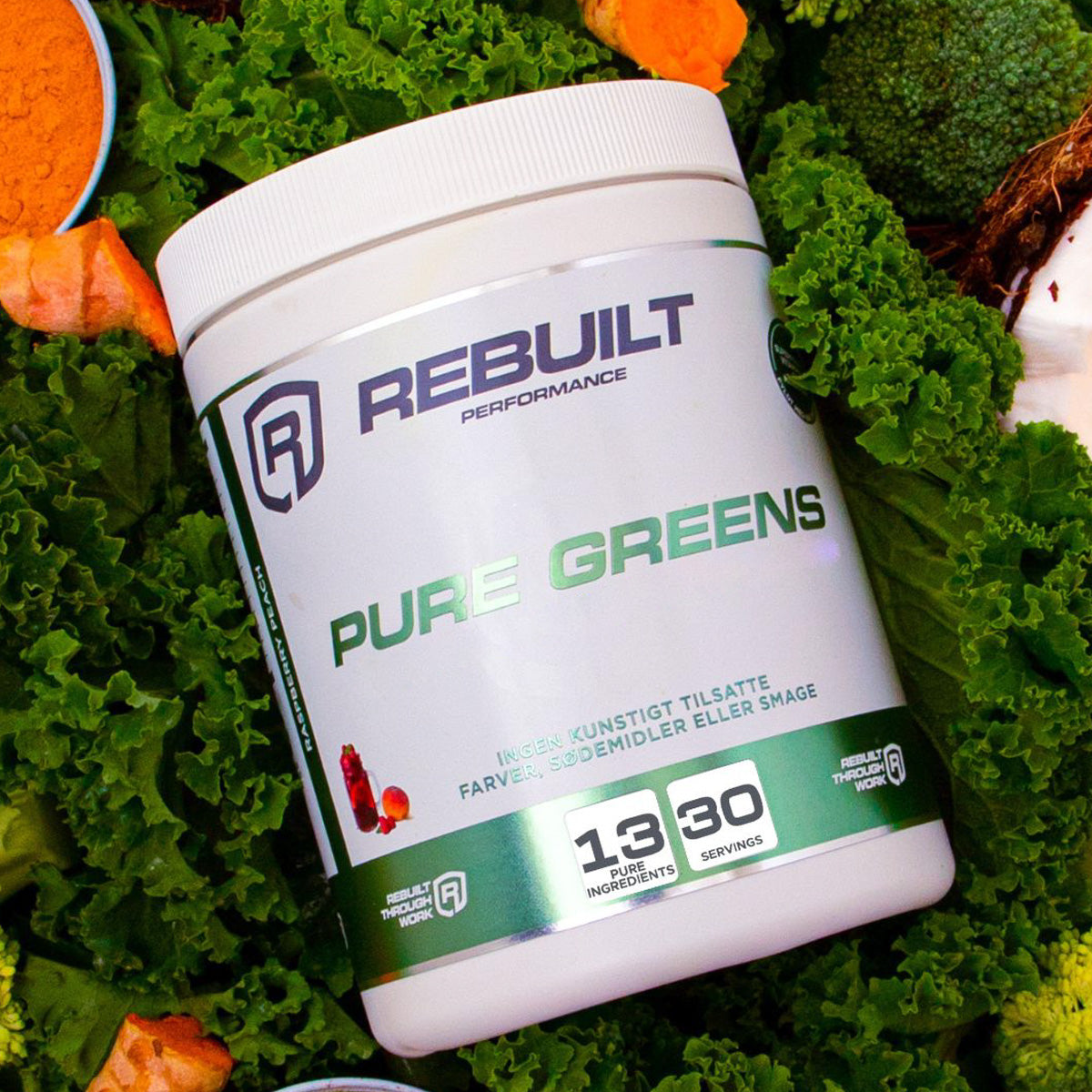
Pure Greens delivers 5 g of USDA organic spirulina, chlorella, wheatgrass, and moringa per serving—plus 3 g prebiotic fiber. Third-party tested, no fillers, no artificial sweeteners. Supports normal energy levels2 and digestive comfort1 for busy Americans who refuse to compromise on quality.
How Do Key Greens Ingredients Support Your Health?
Understanding the science behind individual ingredients helps you evaluate product quality and choose a formula aligned with your wellness goals.
Spirulina: Nutrient-Dense Blue-Green Algae
Spirulina is a complete protein source containing all essential amino acids, plus iron, B vitamins, and phycocyanin—a blue pigment with antioxidant properties. A 2021 Stanford University study published in Cell found that fermented foods (including spirulina-based formulations) increased gut microbiome diversity in healthy adults over 10 weeks.3
Clinical trials have also shown that spirulina supplementation (1–3 g daily) may support exercise performance and recovery. One randomized controlled trial found that spirulina reduced exercise-induced oxidative stress and supported endurance in untrained individuals.4 Another study reported that spirulina supplementation supported reduced mental and physical fatigue after four weeks.5
For readers exploring energy level concerns, spirulina's nutrient density makes it a valuable addition to daily nutrition.
Chlorella: Chlorophyll-Rich Freshwater Algae
Chlorella contains more chlorophyll per gram than any other plant, along with protein, omega-3 fatty acids, and nucleic acids (RNA/DNA). Its thick cell wall must be "cracked" during processing to improve digestibility and nutrient absorption. Quality greens powders use cracked-cell-wall chlorella to maximize bioavailability.
Chlorella has been studied for its potential to support immune function and healthy detoxification pathways through its natural binding properties—though these studies are preliminary and more research is needed.
Wheatgrass: Young Wheat Plant Shoots
Wheatgrass is harvested before the wheat plant develops seeds, making it gluten-free (though cross-contamination is possible—celiac patients should verify testing). It provides chlorophyll, vitamins A, C, and E, iron, calcium, and amino acids. While wheatgrass is a popular ingredient, clinical evidence for specific health benefits is limited compared to spirulina and chlorella.
Moringa: "Drumstick Tree" Leaves
Moringa oleifera leaves contain vitamin C, vitamin A (as beta-carotene), calcium, potassium, and protein. Traditionally used in Ayurvedic wellness practices, moringa has gained popularity in the US as a nutrient-dense green. Preliminary research suggests it may support normal blood sugar metabolism and provide antioxidant compounds, though more large-scale human trials are needed.
Prebiotic Fiber: Fuel for Beneficial Gut Bacteria
Inulin, acacia fiber, and apple pectin are non-digestible carbohydrates that feed beneficial bacteria in your colon. The Stanford fermented foods study demonstrated that increased dietary fiber (alongside fermented foods) significantly improved microbiome diversity markers.3 For individuals managing digestive comfort, fiber intake is a cornerstone strategy—as discussed in guides on supporting normal bowel function.
Can Greens Powders Replace Whole Vegetables?
No. Greens powders are supplements, not substitutes. Whole vegetables provide fiber, water content, and a complex matrix of phytonutrients that work synergistically—benefits that can't be fully replicated in powdered form. Think of greens powders as nutritional insurance: they fill gaps on days when your produce intake falls short, but they work best alongside a balanced diet rich in colorful fruits and vegetables.
The Dietary Guidelines for Americans 2020–2025 recommend 2–3 cups of vegetables daily for most adults. If you're consistently eating 5–7 servings of produce daily, a greens powder may be less critical—but it can still offer concentrated nutrients that support your wellness routine.
Who Benefits Most from Greens Powders?
Greens powders are particularly useful for:
- Busy professionals who skip meals or rely on convenience foods
- Travelers who struggle to access fresh produce on the road
- Athletes supporting recovery and nutrient intake around training
- Individuals managing digestive comfort1 through fiber and gentle greens
- People supporting weight management plans, including GLP-1 agonist medications (semaglutide, tirzepatide), where dietary fiber can help manage side effects like constipation and bloating6
- Anyone looking to support daily energy metabolism2 through nutrient-dense, whole-food ingredients
A 2025 review in the American Journal of Clinical Nutrition emphasized the importance of adequate protein and micronutrient intake during GLP-1-based weight management, noting that fiber-rich supplements may support digestive comfort.7
How to Use Greens Powder Effectively
Most greens powders recommend 1–2 scoops (5–10 g) mixed with 8–12 oz of water, juice, or blended into smoothies. For best results:
- Start with half a serving if you're new to greens powders, especially if you're sensitive to fiber. Gradually increase to the full dose over 5–7 days.
- Mix thoroughly using a shaker bottle or blender. Greens powders can clump if stirred by hand.
- Take with food if you experience mild stomach discomfort on an empty stomach.
- Stay consistent. Nutrient benefits accumulate over weeks, not days. Aim for daily use for at least 4–6 weeks to assess how you feel.
- Store properly. Keep your greens powder in a cool, dry place away from direct sunlight to preserve nutrient integrity.
What About Taste?
Let's be honest: pure greens powders taste earthy, grassy, and sometimes slightly bitter. Spirulina and chlorella have strong flavors that not everyone loves. Quality brands balance this with minimal natural sweeteners (stevia, monk fruit) and complementary ingredients like peppermint, ginger, or vanilla.
If taste is a dealbreaker, try these strategies:
- Blend with frozen fruit (banana, mango, berries) to mask the green flavor
- Mix into orange juice or pineapple juice for natural sweetness
- Add to a morning smoothie with almond butter, oats, and cinnamon
- Start with a smaller serving and gradually adjust your palate
Remember: if a greens powder tastes like candy, it's likely loaded with artificial sweeteners or flavorings that compromise nutrient density.
Shop Pure Greens by Rebuilt Performance
Experience the difference of a greens powder formulated for real people, not marketing claims. Pure Greens combines 5 g organic spirulina, chlorella, wheatgrass, and moringa with 3 g prebiotic fiber—third-party tested, USDA organic, no proprietary blends. Supports normal energy levels2, digestive comfort1, and daily nutrient intake for busy Americans.
Are There Any Side Effects or Precautions?
Greens powders are generally well-tolerated, but some individuals may experience:
- Digestive changes during the first week, especially if increasing fiber intake suddenly. Start with a half serving and increase gradually.
- Mild nausea if taken on an empty stomach. Try consuming with a meal or snack.
- Interactions with medications. Vitamin K in greens can affect blood thinners like warfarin. Iron and B12 content may interact with certain medications. Always consult your healthcare provider before starting any supplement if you're on prescription medications.
- Allergic reactions. Though rare, some people are sensitive to algae or grasses. Discontinue use and seek medical advice if you experience hives, difficulty breathing, or swelling.
If you're managing a health condition or taking medication, speak with your doctor before adding a greens powder to your routine.
Frequently Asked Questions About Greens Powders
What is the best greens powder for energy?
Look for a greens powder with at least 1–3 grams of spirulina, which contains iron and B vitamins that support normal energy metabolism2. Chlorella and wheatgrass also contribute trace minerals and chlorophyll. Avoid products with excessive caffeine or stimulants—sustainable energy comes from nutrient density, not artificial boosts. Clinical studies have shown spirulina may support reduced physical and mental fatigue over several weeks.5
Can greens powder help with bloating and digestive discomfort?
Yes, greens powders containing prebiotic fiber (inulin, acacia, pectin) and gentle greens like spirulina can support digestive comfort1 by feeding beneficial gut bacteria and promoting regular bowel movements. Research shows that fermented foods and fiber increase microbiome diversity, which is associated with improved digestive function.3 If you're experiencing persistent digestive issues, explore targeted strategies in our guide on nutrition for digestive health.
How long does it take to see results from a greens powder?
Most people notice subtle improvements in energy levels and digestive regularity within 1–2 weeks of consistent daily use. More significant changes—like improved stress resilience or better sleep quality—may take 4–6 weeks, as supported by studies on spirulina supplementation.5,8 Remember that greens powders work best as part of a balanced diet and healthy lifestyle, not as a quick fix.
Are greens powders safe during pregnancy or breastfeeding?
While many greens powder ingredients (like spirulina and chlorella) are nutrient-dense whole foods, pregnant and breastfeeding women should always consult their healthcare provider before starting any supplement. Nutrient needs change during pregnancy and lactation, and your doctor can advise on appropriate dosages and potential interactions.
Can I take greens powder with other supplements?
Yes, greens powders are generally safe to combine with other dietary supplements like protein powder, omega-3s, or multivitamins. However, be mindful of total nutrient intake—especially fat-soluble vitamins (A, D, E, K) and minerals like iron, which can accumulate if you're taking multiple fortified products. Spacing supplements throughout the day can improve absorption and reduce stomach discomfort.
What's the difference between greens powder and a multivitamin?
Greens powders provide whole-food-based nutrients from plant sources (spirulina, chlorella, grasses), along with fiber and phytonutrients not found in synthetic multivitamins. Multivitamins offer isolated vitamins and minerals in standardized doses. Ideally, use both: a greens powder for whole-food nutrition and fiber, and a quality multivitamin to cover specific nutrient gaps. They complement each other rather than replace one another.
Do greens powders expire?
Yes. Most greens powders have a shelf life of 12–24 months from the manufacturing date when stored properly (cool, dry, away from light). Check the expiration date on the container. Expired greens powders lose potency, develop off-flavors, and may harbor bacteria. If your powder smells rancid or has changed color, discard it.
Final Thoughts: Choosing the Best Greens Powder for Your Goals
The best greens powder in the US is one that fits your lifestyle, tastes acceptable to you, and delivers meaningful doses of scientifically studied ingredients—without fillers, proprietary blends, or misleading marketing claims. Prioritize USDA organic certification, third-party testing, transparent labeling, and at least 3–5 grams of greens per serving.
Whether you're looking to support daily energy levels2, improve digestive comfort1, or simply bridge nutritional gaps on busy days, a quality greens powder can be a valuable addition to your wellness routine. Pair it with whole-food nutrition, regular physical activity, adequate sleep, and stress management for the best results.
If you're navigating fatigue or low energy, remember that no supplement replaces foundational health habits—but the right greens powder can support your efforts every step of the way.
Claims Overview
- Prebiotic fiber supports normal digestive function and may promote regular bowel movements.
- B vitamins and iron from spirulina support normal energy metabolism.
- Wastyk HC, et al. (2021). Gut-microbiota-targeted diets modulate human immune status. Cell 184(16):4137–4153.e14. PMID:34256014.
- Kalafati M, et al. (2010). Ergogenic and antioxidant effects of spirulina supplementation in humans. Med Sci Sports Exerc 42(1):142–51. PMID:19936191.
- Effects of spirulina supplementation on mental and physical fatigue: a randomized controlled trial. PMID:26888417.
- Dietary supplements may support digestive comfort during GLP-1 agonist treatment. PMC9821052.
- Mozaffarian D, et al. (2025). Nutrition and pharmacotherapy for obesity and type 2 diabetes. Am J Clin Nutr 122:344–359.
- Spirulina supplementation improved sleep quality and stress levels in a randomized controlled trial. PMID:34107141.
References
- Wastyk HC, Fragiadakis GK, Perelman D, et al. Gut-microbiota-targeted diets modulate human immune status. Cell. 2021;184(16):4137–4153.e14. PMID:34256014.
- Kalafati M, Jamurtas AZ, Nikolaidis MG, et al. Ergogenic and antioxidant effects of spirulina supplementation in humans. Med Sci Sports Exerc. 2010;42(1):142–151. PMID:19936191.
- Effects of Spirulina Consumption on Body Weight, Blood Pressure, and Endothelial Function in Overweight Hypertensive Caucasians: A Double-Blind, Placebo-Controlled, Randomized Trial. PMID:26888417.
- Effects of Spirulina Supplementation on Sleep Quality and Stress Levels: A Randomized Controlled Trial. PMID:34107141.
- Dietary Supplements and Gastrointestinal Side Effects in GLP-1 Agonist Treatment. PMC9821052.
- Mozaffarian D, et al. Nutrition and pharmacotherapy for obesity and type 2 diabetes mellitus: evidence, controversies, and future directions. Am J Clin Nutr. 2025;122:344–359.
FDA Disclaimer: These statements have not been evaluated by the Food and Drug Administration. This product is not intended to diagnose, treat, cure, or prevent any disease.
