

What Causes a Bloated Stomach and How to Fix It
A bloated stomach is most commonly caused by excess gas production in the digestive tract, swallowing air while eating, food intolerances (especially lactose or gluten), constipation, and changes in gut bacteria balance. Bloating can also result from eating too quickly, consuming high-FODMAP foods, hormonal fluctuations, or recent changes in diet or medication. The good news: most bloating responds well to simple dietary and lifestyle adjustments, and identifying your specific triggers is the first step toward lasting relief.
Stomach bloating affects up to 30% of US adults on a regular basis, making it one of the most common digestive complaints. While occasional bloating after a large meal is normal, persistent or painful bloating may signal an underlying imbalance in your digestive system that deserves attention. In this article, we'll explore the root causes of bloating and share seven evidence-based strategies to help you reduce discomfort and support healthy digestion.
Why Does My Stomach Get Bloated After Eating?
Post-meal bloating typically occurs when your digestive system struggles to break down certain foods efficiently. When undigested food reaches your colon, gut bacteria ferment it, producing gases like hydrogen, methane, and carbon dioxide. This natural fermentation process becomes problematic when it creates excessive gas or when your intestines are overly sensitive to normal amounts of gas.
Common culprits include:
- High-FODMAP foods: Fermentable carbohydrates in onions, garlic, beans, wheat, and certain fruits can trigger bloating in sensitive individuals
- Insufficient digestive enzymes: Your body may not produce enough enzymes to break down lactose, fructose, or complex carbohydrates
- Eating too quickly: Swallowing air while eating (aerophagia) adds extra gas to your digestive tract
- Large portion sizes: Overloading your stomach can slow digestion and increase fermentation time
- Low stomach acid: Inadequate acid production can impair protein digestion and create downstream fermentation
Research on gut microbiome diversity suggests that a more varied bacterial ecosystem may help reduce digestive discomfort.1 Stanford researchers found that dietary interventions focusing on fermented foods increased microbiome diversity and reduced inflammatory markers over a 10-week period.
What Foods Should I Avoid to Reduce Bloating?
While individual tolerances vary, certain food categories are well-known bloating triggers for many people:
High-FODMAP Foods
FODMAPs (Fermentable Oligosaccharides, Disaccharides, Monosaccharides, and Polyols) are short-chain carbohydrates that resist digestion and ferment in the colon. Common high-FODMAP foods include wheat, rye, onions, garlic, legumes, dairy products (for those with lactose intolerance), apples, pears, and artificial sweeteners like sorbitol and xylitol.
Carbonated Beverages
Sodas, sparkling water, and beer introduce carbon dioxide directly into your digestive system. While some of this gas escapes through burping, the remainder travels through your intestines, contributing to bloating and distension.
Cruciferous Vegetables (When Raw)
Broccoli, cauliflower, Brussels sprouts, and cabbage contain raffinose, a complex sugar that humans cannot digest without bacterial help. Cooking these vegetables breaks down some of these compounds, making them easier to tolerate.
Dairy Products
Approximately 68% of the global population has some degree of lactose malabsorption. If your body doesn't produce enough lactase enzyme, undigested lactose ferments in your colon, causing gas, bloating, and discomfort.
For personalized guidance on digestive-friendly eating patterns, see our detailed guide on nutrition tips for sensitive digestive systems, which covers IBS-friendly food choices and meal planning strategies.
7 Evidence-Based Strategies to Fix Stomach Bloating
1. Identify Your Personal Trigger Foods
The most effective approach to reducing bloating is identifying which specific foods cause problems for you. A structured elimination diet—temporarily removing suspected triggers, then systematically reintroducing them one at a time—helps you pinpoint your unique sensitivities.
How to do it:
- Keep a detailed food and symptom diary for 2-3 weeks
- Note what you eat, when you eat, and any bloating or digestive symptoms (rate severity 1-10)
- Look for patterns—do symptoms appear 2-4 hours after certain foods?
- Consider working with a registered dietitian for a structured low-FODMAP elimination protocol
- Reintroduce foods one at a time to confirm which ones cause symptoms
Remember that food tolerance can change over time, and your gut health status influences how you respond to different foods. What causes bloating today may be well-tolerated once your digestive system is better supported.
2. Eat Slowly and Chew Thoroughly
Digestion begins in your mouth. When you eat too quickly, you swallow more air and don't adequately break down food before it reaches your stomach. This forces your digestive system to work harder and increases fermentation in the lower intestines.
Practical tips:
- Put your fork down between bites
- Aim to chew each mouthful 20-30 times
- Take at least 20 minutes to finish a meal
- Avoid eating while stressed, working, or watching screens
- Practice mindful eating by focusing on food texture, flavor, and satisfaction
Eating slowly also allows your brain to register satiety signals, helping you avoid overeating—another common bloating trigger.
3. Support Your Gut Microbiome with Diverse, Plant-Based Foods
Your gut microbiome—the trillions of bacteria living in your intestines—plays a central role in digestion, gas production, and bloating. A diverse microbiome with many different bacterial species tends to function more efficiently and produce less problematic gas.
Research from Stanford University demonstrated that consuming fermented foods daily increased gut microbiome diversity and reduced markers of inflammation over 10 weeks.1 The study participants who ate fermented foods showed significant changes in their microbial communities compared to those who focused only on fiber.
Fermented foods to include:
- Yogurt with live active cultures
- Kefir
- Sauerkraut (unpasteurized)
- Kimchi
- Kombucha
- Tempeh
Start with small portions (1-2 tablespoons) and gradually increase as your system adapts. Some people experience temporary bloating when first introducing fermented foods, but this typically resolves within 1-2 weeks as beneficial bacteria establish themselves.
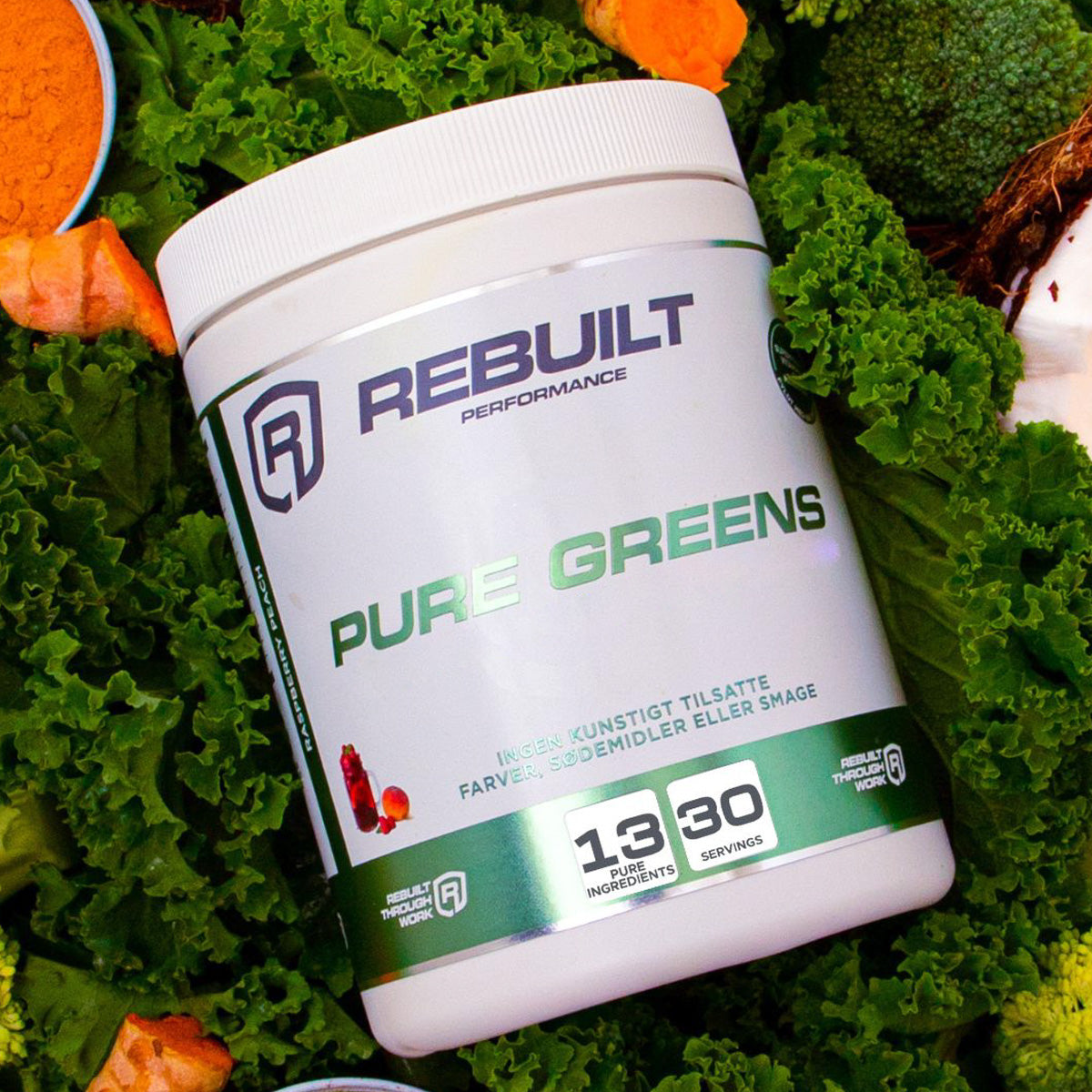
Support Your Digestive System with Pure Greens
Pure Greens delivers 13 carefully selected plant-based ingredients including spirulina, chlorella, wheat grass, and barley grass to support your daily nutrition and digestive wellness.2,3 Unlike products with endless ingredient lists, our Danish-developed formula focuses on quality and transparency—you know exactly what you're getting in every 11-gram serving.
- Spirulina: Supports normal energy levels and reduces oxidative stress2,3
- Digestive enzymes: Support normal breakdown of proteins, fats, and carbohydrates†
- Prebiotics: Support beneficial gut bacteria†
- No proprietary blends: Complete transparency on all 13 ingredients
- No subscription lock-in: Order when you need it, cancel anytime
Developed in Denmark, trusted by health-conscious Americans who value quality and honesty.
Shop Pure Greens4. Stay Adequately Hydrated Throughout the Day
Proper hydration is essential for healthy digestion and regular bowel movements. When you're dehydrated, your colon absorbs more water from waste material, leading to harder stools, constipation, and increased bloating. Water also helps fiber move through your digestive tract efficiently.
Hydration guidelines:
- Aim for 8-10 cups (64-80 oz) of water daily, more if you exercise or live in a hot climate
- Drink water between meals rather than with meals to avoid diluting digestive enzymes
- Start your day with 16 oz of water to rehydrate after sleep
- Herbal teas (especially peppermint, ginger, and fennel) count toward your fluid intake and may provide additional digestive support†
- Limit caffeine and alcohol, which have diuretic effects and can worsen dehydration
If you're increasing fiber intake, it's especially important to increase water consumption simultaneously. Fiber without adequate fluid can actually worsen constipation and bloating.
5. Move Your Body Regularly
Physical activity stimulates the natural contractions of your intestinal muscles (peristalsis), helping move gas and waste through your digestive system more efficiently. Even gentle movement can significantly reduce bloating and improve overall digestive comfort.
Effective movement strategies:
- Take a 10-15 minute walk after meals to stimulate digestion
- Practice yoga poses that compress and massage the abdomen (child's pose, seated twist, wind-relieving pose)
- Aim for at least 30 minutes of moderate activity most days of the week
- Avoid lying down immediately after eating—stay upright for at least 2-3 hours
- Try gentle abdominal massage in a clockwise direction (following the path of your colon)
Research shows that regular physical activity improves gut motility and can reduce symptoms of functional digestive disorders. Movement also helps manage stress, which is closely linked to digestive function.
6. Manage Stress and Support Your Gut-Brain Connection
Your gut and brain communicate constantly through the gut-brain axis. Stress directly affects digestive function by altering gut motility, increasing intestinal permeability, and changing the composition of your gut microbiome. Many people notice that bloating worsens during stressful periods.
Chronic stress can disrupt your sleep-wake cycle and hormone balance, creating a cascade of effects that worsen digestive symptoms. Our article on overcoming daily fatigue through better nutrition explores how nutritional status influences your stress response and energy levels throughout the day.
Stress management techniques:
- Practice deep breathing exercises (4-7-8 breath: inhale for 4, hold for 7, exhale for 8)
- Try progressive muscle relaxation before meals
- Consider mindfulness meditation for 10-15 minutes daily
- Prioritize 7-9 hours of quality sleep each night
- Create a calm eating environment—avoid stressful conversations or media during meals
If stress and digestive issues are significantly affecting your quality of life, consider working with a therapist trained in gut-directed hypnotherapy or cognitive behavioral therapy, which have shown effectiveness for functional digestive disorders.
7. Consider Digestive Enzyme Support
Digestive enzymes help break down proteins, carbohydrates, and fats into smaller molecules your body can absorb. While your body produces these enzymes naturally, production can decline with age or be insufficient for certain foods, leading to incomplete digestion and increased fermentation.
Key digestive enzymes:
- Lactase: Breaks down lactose (milk sugar)
- Alpha-galactosidase: Helps digest complex carbohydrates in beans and cruciferous vegetables
- Protease: Supports protein digestion†
- Lipase: Supports fat digestion†
- Amylase: Supports starch digestion†
Some people find that supplementing with broad-spectrum digestive enzymes before meals helps reduce post-meal bloating, especially when eating foods they typically find difficult to digest. Start with a lower dose and take enzymes at the beginning of meals for best results.
How Long Does It Take to Reduce Bloating?
The timeline for bloating relief depends on the underlying cause. Bloating from swallowing air or eating too quickly may resolve within hours once you slow down and practice mindful eating. Food-related bloating typically improves within 1-3 days of removing trigger foods from your diet.
More significant improvements in chronic bloating may take 2-4 weeks as you:
- Identify and eliminate personal trigger foods
- Build a more diverse and balanced gut microbiome
- Establish consistent eating and stress management habits
- Address any underlying constipation
Be patient with your body. Gut healing is a gradual process, and you may experience some trial and error as you discover what works best for your unique digestive system.
When Should I See a Doctor About Bloating?
While most bloating is benign and responds to dietary and lifestyle changes, certain symptoms warrant medical evaluation:
- Severe or worsening abdominal pain
- Bloating accompanied by unintentional weight loss
- Blood in stool or black, tarry stools
- Persistent changes in bowel habits lasting more than 2 weeks
- Fever along with digestive symptoms
- Vomiting, especially if persistent or containing blood
- Bloating that disrupts your daily activities or quality of life
A healthcare provider can rule out conditions like celiac disease, inflammatory bowel disease, small intestinal bacterial overgrowth (SIBO), or other digestive disorders that may require specific treatment.
Can GLP-1 Medications Cause Bloating?
Yes, bloating and other gastrointestinal side effects are common with GLP-1 receptor agonists (medications like semaglutide used for weight management). These medications slow gastric emptying, which can lead to feelings of fullness, bloating, constipation, and nausea, especially when starting treatment or increasing doses.
Research on GLP-1 medications indicates that up to 40% of users experience constipation, and many report bloating as a side effect.4 Nutrition experts recommend that individuals taking GLP-1 medications focus on adequate protein intake, hydration, and fiber to minimize digestive side effects while maintaining nutritional status.5
If you're taking GLP-1 medications and experiencing bloating:
- Eat smaller, more frequent meals
- Avoid high-fat, greasy foods that slow digestion further
- Stay well-hydrated
- Prioritize easily digestible proteins and cooked vegetables
- Work with your healthcare provider to adjust dosing if symptoms are severe
Pure Greens vs. Other Greens Supplements: Transparency Matters
When choosing a greens supplement to support your digestive wellness and daily nutrition, transparency and quality matter. Here's how Pure Greens compares to typical market alternatives:
| Feature | Pure Greens | Typical Greens Supplements |
|---|---|---|
| Ingredient Count | 13 carefully selected ingredients | Often 40-75+ ingredients |
| Transparency | Complete disclosure of all ingredient amounts (no proprietary blends) | Often uses proprietary blends that hide individual amounts |
| Serving Size | 11g per serving | Varies, often 5-12g |
| Subscription Model | Optional—order when you need it, cancel anytime, no penalties | Many require subscriptions or charge higher one-time prices |
| Development Origin | Developed in Denmark with European quality standards | Varies widely |
| Key Ingredients | Spirulina, chlorella, wheat grass, barley grass, digestive enzymes, prebiotics† | Varies—often includes fillers or underdosed ingredients |
Pure Greens focuses on quality over quantity. Our 13-ingredient formula includes spirulina, which research has shown supports normal energy levels and reduces oxidative stress,2,3 along with digestive enzymes and prebiotics to support your gut microbiome.† You get exactly what's listed on the label—no hidden blends, no inflated ingredient counts, just transparent nutrition to support your daily wellness routine.
Frequently Asked Questions About Bloating
What is the fastest way to relieve stomach bloating?
The fastest relief often comes from gentle movement—a 10-15 minute walk can help move trapped gas through your digestive system. Peppermint tea may provide quick comfort by relaxing intestinal muscles.† Lying on your left side or doing gentle yoga twists can also help release gas. For immediate relief, focus on deep breathing to relax your abdominal muscles and reduce the sensation of distension. These strategies work best for bloating caused by trapped gas or eating too quickly.
Why do I wake up with a flat stomach but get bloated during the day?
This common pattern occurs because gas accumulates throughout the day as you eat, drink, and swallow air. When you sleep, your digestive system continues processing food from the previous day, and you're not introducing new foods or air. As the day progresses, fermentation of meals, carbonated beverages, chewing gum, and eating while stressed all contribute to progressive bloating. This pattern is normal, but if bloating becomes severe or painful by evening, it may indicate food sensitivities or digestive imbalances worth investigating.
Can stress alone cause stomach bloating without eating trigger foods?
Absolutely. Stress directly affects your digestive system through the gut-brain axis. When you're stressed, your body diverts blood flow away from digestive organs, slows gut motility, and can alter gut bacteria composition—all of which contribute to bloating. Stress also causes many people to swallow more air, breathe shallowly (which affects abdominal pressure), and tense their abdominal muscles. Managing stress through breathing exercises, adequate sleep, and relaxation techniques can significantly reduce stress-related bloating even without dietary changes.
Is bloating worse during certain times of the menstrual cycle?
Yes, hormonal fluctuations during the menstrual cycle significantly affect bloating. Many women experience increased bloating in the week before their period due to higher progesterone levels, which slow gut motility and cause water retention. Estrogen fluctuations can also affect how your digestive system functions. This hormonal bloating typically peaks 1-2 days before menstruation begins and resolves within a few days of your period starting. Reducing salt intake, staying hydrated, and avoiding known trigger foods during this time can help minimize menstrual-related bloating.
How do I know if my bloating is from food intolerance or something more serious?
Food intolerance typically causes bloating 30 minutes to several hours after eating specific foods, and symptoms resolve within 24-48 hours of avoiding those foods. You'll likely notice a clear pattern between certain foods and symptoms. More serious conditions often include additional symptoms like unintentional weight loss, severe pain, blood in stool, persistent changes in bowel habits, fever, or symptoms that worsen over time regardless of diet. If you're unsure, keeping a detailed food and symptom diary for 2-3 weeks can help identify patterns, and any concerning symptoms should be evaluated by a healthcare provider.
Can probiotics make bloating worse before it gets better?
Yes, some people experience temporary increased bloating when first starting probiotics or fermented foods. This occurs as new bacterial strains establish themselves and your gut microbiome adjusts to the changes. This "adjustment period" typically lasts 1-2 weeks and resolves as your system adapts. To minimize this effect, start with small amounts (like 1-2 tablespoons of fermented foods daily) and gradually increase over 2-3 weeks. If bloating persists beyond 3 weeks or becomes severe, the specific probiotic strain may not be right for you, and you might try a different product or strain combination.
Does drinking water with meals cause bloating?
Drinking moderate amounts of water with meals (4-8 oz) does not typically cause bloating and actually helps with digestion by keeping food moving smoothly through your system. However, drinking large amounts of liquid with meals—especially carbonated beverages—can contribute to bloating by diluting digestive enzymes, expanding your stomach, and introducing excess gas. The best approach is to stay well-hydrated throughout the day and sip water moderately with meals rather than gulping large amounts. If you're particularly prone to bloating, try drinking most of your water between meals rather than during them.
Key Takeaways: Creating Your Anti-Bloating Action Plan
Reducing stomach bloating requires a personalized approach based on your specific triggers and digestive patterns. Here's your action plan:
- Start with awareness: Keep a food and symptom diary for 2-3 weeks to identify your personal triggers
- Focus on eating habits: Slow down, chew thoroughly, and create a calm eating environment
- Support your microbiome: Gradually introduce fermented foods and diverse plant-based nutrition
- Stay hydrated: Aim for 8-10 cups of water daily, especially if increasing fiber intake
- Move regularly: Take post-meal walks and incorporate gentle abdominal exercises
- Manage stress: Practice daily stress-reduction techniques and prioritize quality sleep
- Consider enzyme support: Digestive enzymes may help if you consistently struggle with certain foods†
Remember that digestive wellness is highly individual. What works perfectly for one person may not work for another. Be patient as you experiment with different strategies, and don't hesitate to seek professional guidance if bloating persists despite your best efforts. Many people find that a combination of dietary adjustments, stress management, and targeted nutritional support—like the plant-based ingredients in Pure Greens—helps them achieve lasting relief from chronic bloating.†
Your digestive system is resilient and responsive. With consistent attention to the factors within your control, most people can significantly reduce bloating and enjoy improved digestive comfort.
Structure/Function Claims Overview
This article references several structure/function claims tied to specific ingredients:
- Fermented foods support microbiome diversity — Wastyk et al. (2021) Cell 184(16):4137-4153 PMID:34256014
- Spirulina supports normal energy levels and reduces oxidative stress — Kalafati et al. (2010) Med Sci Sports Exerc PMID:19936191
- Spirulina supports mental and physical energy — Clinical trial PMID:26888417
- GLP-1 medications commonly cause digestive side effects including bloating and constipation — PMC9821052
- Nutrition considerations during GLP-1 treatment — Mozaffarian et al. (2025) Am J Clin Nutr 122:344
†Additional structure/function claims (digestive enzymes support normal digestion, prebiotics support beneficial gut bacteria, herbal teas provide digestive comfort) represent traditional uses and general nutritional science but are not tied to specific clinical trials in this article.
References
- Wastyk HC, Fragiadakis GK, Perelman D, et al. Gut-microbiota-targeted diets modulate human immune status. Cell. 2021;184(16):4137-4153.e14. PMID:34256014
- Kalafati M, Jamurtas AZ, Nikolaidis MG, et al. Ergogenic and antioxidant effects of spirulina supplementation in humans. Med Sci Sports Exerc. 2010;42(1):142-151. PMID:19936191
- Clinical trial on spirulina and fatigue reduction. PMID:26888417
- Gastrointestinal side effects of GLP-1 receptor agonists and nutritional considerations. PMC9821052
- Mozaffarian D, et al. Nutritional considerations during GLP-1 receptor agonist treatment. Am J Clin Nutr. 2025;122:344.
These statements have not been evaluated by the Food and Drug Administration. This product is not intended to diagnose, treat, cure, or prevent any disease.
