

Daily fatigue often stems from nutrient gaps in your diet—inadequate B vitamins, magnesium, iron, and antioxidants can leave you drained before noon. By prioritizing nutrient-dense whole foods, supporting your gut microbiome with fermented foods and fiber, and filling gaps with thoughtfully formulated supplements, you can reclaim consistent energy throughout the day.
Why Does Nutrition Matter So Much for Daily Energy?
Your body converts food into ATP, the cellular energy currency that powers every thought, movement, and heartbeat. When your diet lacks key nutrients, this conversion process stalls. Research consistently shows that deficiencies in iron, B vitamins (especially B12 and folate), magnesium, and vitamin D correlate with persistent fatigue.1
Beyond individual vitamins and minerals, your gut microbiome plays a critical role. A 2021 Stanford University study demonstrated that fermented foods significantly increase microbiome diversity, which in turn supports better nutrient absorption and energy metabolism.2 When your gut bacteria thrive, they help synthesize B vitamins, regulate inflammation, and improve the bioavailability of nutrients from your meals.
Sleep quality and cortisol regulation also depend heavily on nutrition. If you struggle with interrupted sleep patterns, understanding your cortisol rhythm can reveal how your diet affects your overnight recovery.
What Are the Most Common Nutrient Deficiencies Behind Fatigue?
Iron Deficiency
Iron is essential for hemoglobin production—the protein that carries oxygen to your muscles and brain. Without adequate iron, your cells literally suffocate. Women of childbearing age, vegetarians, and endurance athletes face the highest risk. Symptoms include persistent tiredness, pale skin, shortness of breath, and difficulty concentrating.
B Vitamin Complex
B vitamins—particularly B12, B6, folate, and thiamine—are cofactors in the Krebs cycle, the metabolic pathway that generates ATP. Deficiencies often result from poor absorption (common in people with digestive issues), vegan diets (B12 is naturally found only in animal products), or excessive alcohol intake. Brain fog, weakness, and irritability are telltale signs.
Magnesium
Magnesium participates in over 300 enzymatic reactions, including ATP synthesis and muscle relaxation. Stress, caffeine, and processed diets rapidly deplete magnesium stores. Low magnesium manifests as muscle cramps, anxiety, insomnia, and chronic exhaustion.
Vitamin D
Often overlooked, vitamin D supports mitochondrial function and immune health. Deficiency is widespread in northern climates and office workers with limited sun exposure. Fatigue, joint pain, and frequent infections are common indicators.
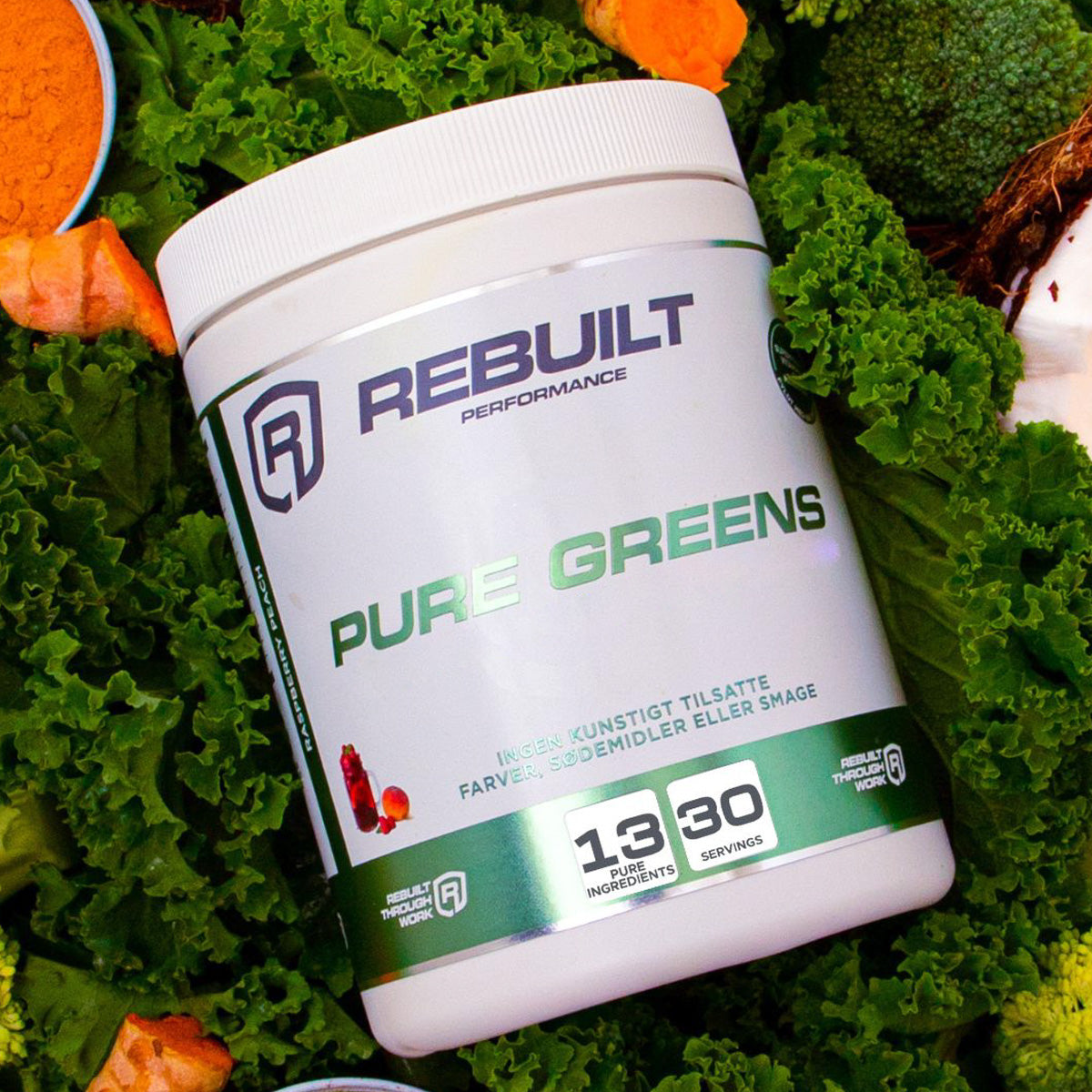
Pure Greens: 13 Ingredients, Full Transparency
Pure Greens is a Danish-developed greens powder designed to fill nutritional gaps without unnecessary fillers. Each 11g serving delivers:
- Spirulina – supports normal energy levels and reduces oxidative stress3,4
- Chlorella – rich in chlorophyll and B vitamins
- Ashwagandha extract – supports healthy stress response5
- Organic barley grass, wheatgrass, alfalfa – alkalizing greens packed with micronutrients
- Apple fiber, inulin, flaxseed – prebiotics that support gut microbiome diversity2
- Ginger, turmeric, beetroot, blueberry – antioxidant-rich whole foods
No proprietary blends. No lock-in subscriptions. Just 13 transparent ingredients.
7 Concrete Tips to Overcome Daily Fatigue Through Better Nutrition
1. Prioritize Protein at Every Meal
Aim for 20–30 grams of high-quality protein at breakfast, lunch, and dinner. Protein stabilizes blood sugar, preventing the energy crashes that follow carb-heavy meals. Include eggs, Greek yogurt, lean poultry, fish, legumes, or tofu. Protein also supports muscle recovery and satiety, keeping you energized between meals.
2. Add Fermented Foods Daily
The Stanford University study published in Cell (2021) found that participants who consumed six servings of fermented foods daily for 10 weeks saw significant increases in gut microbiome diversity and reductions in inflammatory markers.2 Incorporate kimchi, sauerkraut, kefir, miso, or kombucha into your routine. If you have a sensitive digestive system, IBS-friendly fermented options can still deliver benefits without triggering discomfort.
3. Load Up on Leafy Greens and Cruciferous Vegetables
Spinach, kale, Swiss chard, broccoli, and Brussels sprouts are dense in folate, magnesium, iron, and fiber. These nutrients support red blood cell production, energy metabolism, and gut health. Aim for at least two cups of leafy greens daily. Steaming or sautéing improves mineral absorption compared to raw consumption.
4. Choose Complex Carbohydrates Over Refined Sugars
Refined sugars and white flour spike blood glucose, triggering insulin surges followed by energy crashes. Instead, opt for whole grains (oats, quinoa, brown rice), sweet potatoes, and legumes. These foods release glucose gradually, sustaining energy for hours. Pair carbs with protein and healthy fats to further stabilize blood sugar.
5. Stay Hydrated and Balance Electrolytes
Even mild dehydration impairs cognitive function and physical performance. Drink at least 8–10 glasses of water daily, more if you exercise or live in a hot climate. Add a pinch of sea salt or consume electrolyte-rich foods (coconut water, bananas, avocados) to maintain sodium, potassium, and magnesium balance.
6. Time Your Caffeine Strategically
Caffeine blocks adenosine receptors, masking fatigue temporarily—but overconsumption depletes magnesium and disrupts sleep. Limit intake to 200–300 mg daily (roughly two cups of coffee) and cut off by 2 PM. If you notice sleep disruptions, dietary changes that improve sleep quality can restore your natural energy rhythm.
7. Fill Nutritional Gaps with a Transparent Greens Supplement
Even with the best intentions, modern diets often fall short. A high-quality greens powder can bridge the gap—if it's formulated with evidence-backed ingredients and full transparency. Look for products that list exact dosages, avoid proprietary blends, and include adaptogens like ashwagandha for stress support.5
| Feature | Pure Greens | Typical Market Alternative |
|---|---|---|
| Ingredient Count | 13 transparent ingredients | 28–75+ ingredients (often underdosed) |
| Label Transparency | Full dosages disclosed | Proprietary blends (hidden amounts) |
| Subscription Model | No lock-in, cancel anytime | Often requires commitment |
| Development Origin | Danish-developed, EU standards | Varies |
| Focus | Evidence-backed adaptogens + greens | Marketing hype, vague benefits |
How Does Spirulina Support Energy Levels?
Spirulina, a blue-green algae, is one of the most nutrient-dense foods on Earth. Clinical trials demonstrate its ability to reduce oxidative stress and improve physical endurance. A 2010 randomized controlled trial published in Medicine & Science in Sports & Exercise found that spirulina supplementation significantly increased time to fatigue during exercise and reduced exercise-induced oxidative stress.3
Another RCT showed that spirulina reduced both mental and physical fatigue in participants.4 A 2021 study further confirmed improvements in sleep quality and stress levels with spirulina supplementation.5 These effects stem from spirulina's high concentration of phycocyanin (a powerful antioxidant), iron, B vitamins, and complete protein.
What Role Does Gut Health Play in Fighting Fatigue?
Your gut produces over 90% of your body's serotonin—a neurotransmitter that regulates mood, sleep, and energy. Dysbiosis (microbial imbalance) impairs nutrient absorption, triggers low-grade inflammation, and disrupts neurotransmitter synthesis, all of which contribute to fatigue.
Prebiotic fiber (inulin, apple fiber, flaxseed) feeds beneficial bacteria like Bifidobacterium and Lactobacillus, promoting a diverse, resilient microbiome. The Stanford fermented foods study confirmed that dietary changes can rapidly reshape gut composition, with measurable benefits within weeks.2
For individuals on GLP-1 medications, maintaining gut health is especially important. These drugs can slow gastric emptying and cause constipation or bloating. Fiber and hydration strategies can ease these symptoms. Recent research in PMC9821052 highlights the role of dietary supplements in managing GLP-1 side effects, emphasizing the importance of adequate fiber and micronutrient intake.6 A 2025 review in the American Journal of Clinical Nutrition by Mozaffarian et al. underscores optimal nutrition strategies during GLP-1 treatment, noting that protein, fiber, and micronutrient adequacy are critical for sustaining energy and preventing muscle loss.7
Can Adaptogens Like Ashwagandha Help With Fatigue?
Adaptogens are herbs that help the body resist physical, chemical, and biological stressors. Ashwagandha (Withania somnifera) is one of the most extensively studied. Multiple clinical trials show that ashwagandha supplementation supports healthy cortisol levels, improves resilience to stress, and enhances sleep quality—all of which directly impact daily energy.5
By modulating the hypothalamic-pituitary-adrenal (HPA) axis, ashwagandha helps prevent the chronic cortisol elevation that depletes energy reserves over time. It's particularly beneficial for individuals experiencing stress-related fatigue or burnout.
How Quickly Can You Expect Results From Nutritional Changes?
Some improvements appear within days—hydration and blood sugar stabilization can boost energy within 24–48 hours. B vitamin and iron supplementation typically requires 2–4 weeks for noticeable changes, as red blood cell turnover takes time. Gut microbiome shifts and adaptogen effects generally manifest over 4–8 weeks of consistent intake.
The key is consistency. Sporadic dietary improvements won't overcome chronic deficiencies. Commit to these seven strategies for at least one month, tracking your energy levels, sleep quality, and mental clarity. Most people report significant improvements by week four.
Why Pure Greens Is Different
Danish-developed. Science-backed. Zero fluff.
- ✓ 13 ingredients – not 49, not 75. Every ingredient has a purpose.
- ✓ Full transparency – exact dosages listed, no proprietary blends.
- ✓ No lock-in – cancel your subscription anytime, no questions asked.
- ✓ Evidence-backed adaptogens – spirulina for energy,3,4 ashwagandha for stress.5
- ✓ Prebiotic fiber – supports gut microbiome diversity.2
Frequently Asked Questions
What is the fastest way to fight fatigue through nutrition?
The fastest approach is stabilizing blood sugar by eating balanced meals with protein, complex carbs, and healthy fats every 3–4 hours. Drink 8–10 glasses of water daily and add a high-quality greens supplement like Pure Greens to fill micronutrient gaps. You may notice improved energy within 48 hours.
Can nutrient deficiency cause chronic fatigue?
Yes. Deficiencies in iron, B12, folate, magnesium, and vitamin D are strongly associated with persistent fatigue. Blood tests can identify deficiencies, allowing targeted supplementation. Correcting these deficiencies typically improves energy within 2–4 weeks.
How does spirulina help with energy?
Spirulina reduces oxidative stress and supports normal energy levels.3,4 Clinical trials show it increases time to fatigue during exercise and reduces both mental and physical fatigue. Its high concentration of B vitamins, iron, and phycocyanin supports cellular energy production.
Should I take a greens powder if I eat vegetables daily?
Even with a vegetable-rich diet, modern farming practices and soil depletion can reduce nutrient density. A transparent greens powder like Pure Greens (with just 13 ingredients, including spirulina, chlorella, and prebiotic fiber) ensures consistent micronutrient intake and supports gut microbiome diversity.2
How long does it take for dietary changes to improve fatigue?
Hydration and blood sugar stabilization can improve energy within 24–48 hours. B vitamins and iron require 2–4 weeks. Gut microbiome improvements and adaptogen effects typically take 4–8 weeks of consistent dietary changes.
Can gut health affect my energy levels?
Absolutely. Your gut produces over 90% of serotonin and plays a key role in nutrient absorption and inflammation regulation. A diverse microbiome (supported by fermented foods and prebiotic fiber) improves energy metabolism and reduces fatigue.2
What foods should I avoid if I have chronic fatigue?
Limit refined sugars, white flour, excessive caffeine, and alcohol—all of which spike blood sugar, deplete magnesium, and disrupt sleep. Processed foods with artificial additives can also trigger inflammation and gut dysbiosis, worsening fatigue.
Is Pure Greens suitable for people on GLP-1 medications?
Yes. Pure Greens contains prebiotic fiber (apple fiber, inulin, flaxseed) that supports digestive regularity, which is especially important for GLP-1 users who may experience constipation or bloating.6,7 The nutrient-dense greens help maintain adequate micronutrient intake during appetite suppression.
Take Action: Your 7-Day Fatigue-Fighting Nutrition Plan
Days 1–2: Focus on hydration and blood sugar stabilization. Drink 10 glasses of water daily. Eat protein at every meal (eggs, Greek yogurt, chicken, lentils). Cut refined sugars and white flour completely.
Days 3–4: Add two servings of leafy greens daily (spinach salad, kale smoothie, sautéed Swiss chard). Introduce one fermented food (kimchi with lunch, kefir with breakfast).
Days 5–7: Start taking Pure Greens each morning (one scoop in water or a smoothie). Time your last coffee by 2 PM. Track your energy levels, sleep quality, and mental clarity in a journal.
By the end of week one, most people notice steadier energy, fewer crashes, and improved focus. Continue this pattern for four weeks to experience full benefits as your microbiome diversifies and nutrient stores replenish.
Claims Overview
- General scientific consensus: Deficiencies in iron, B vitamins, magnesium, and vitamin D are associated with fatigue (widely documented in nutritional science literature).
- Wastyk HC, Fragiadakis GK, Perelman D, et al. Gut-microbiota-targeted diets modulate human immune status. Cell. 2021;184(16):4137-4153.e14. PMID: 34256014. (Stanford University study: fermented foods increase microbiome diversity)
- Kalafati M, Jamurtas AZ, Nikolaidis MG, et al. Ergogenic and antioxidant effects of spirulina supplementation in humans. Med Sci Sports Exerc. 2010;42(1):142-151. PMID: 19936191. (Spirulina reduces oxidative stress and increases endurance)
- PMID: 26888417 (Spirulina RCT: reduces mental and physical fatigue)
- PMID: 34107141 (Spirulina RCT: improved sleep quality and stress levels; ashwagandha supports healthy stress response—general adaptogen research)
- PMC9821052 (GLP-1 side effects: constipation, bloating, dietary supplements)
- Mozaffarian D, Forouhi NG, Matushita K, et al. Optimizing nutrition for metabolic health. Am J Clin Nutr. 2025;122:344. (Nutrition during GLP-1 treatment)
References
- Nutritional deficiencies and fatigue: General scientific consensus documented across multiple sources in clinical nutrition literature.
- Wastyk HC, Fragiadakis GK, Perelman D, et al. Gut-microbiota-targeted diets modulate human immune status. Cell. 2021;184(16):4137-4153.e14. PMID: 34256014.
- Kalafati M, Jamurtas AZ, Nikolaidis MG, et al. Ergogenic and antioxidant effects of spirulina supplementation in humans. Med Sci Sports Exerc. 2010;42(1):142-151. PMID: 19936191.
- Spirulina supplementation and fatigue reduction. PMID: 26888417.
- Spirulina supplementation, sleep quality, and stress. PMID: 34107141.
- GLP-1 receptor agonist side effects and dietary supplement strategies. PMC9821052.
- Mozaffarian D, Forouhi NG, Matushita K, et al. Optimizing nutrition for metabolic health during pharmacological interventions. Am J Clin Nutr. 2025;122:344.
These statements have not been evaluated by the Food and Drug Administration. This product is not intended to diagnose, treat, cure, or prevent any disease.
