

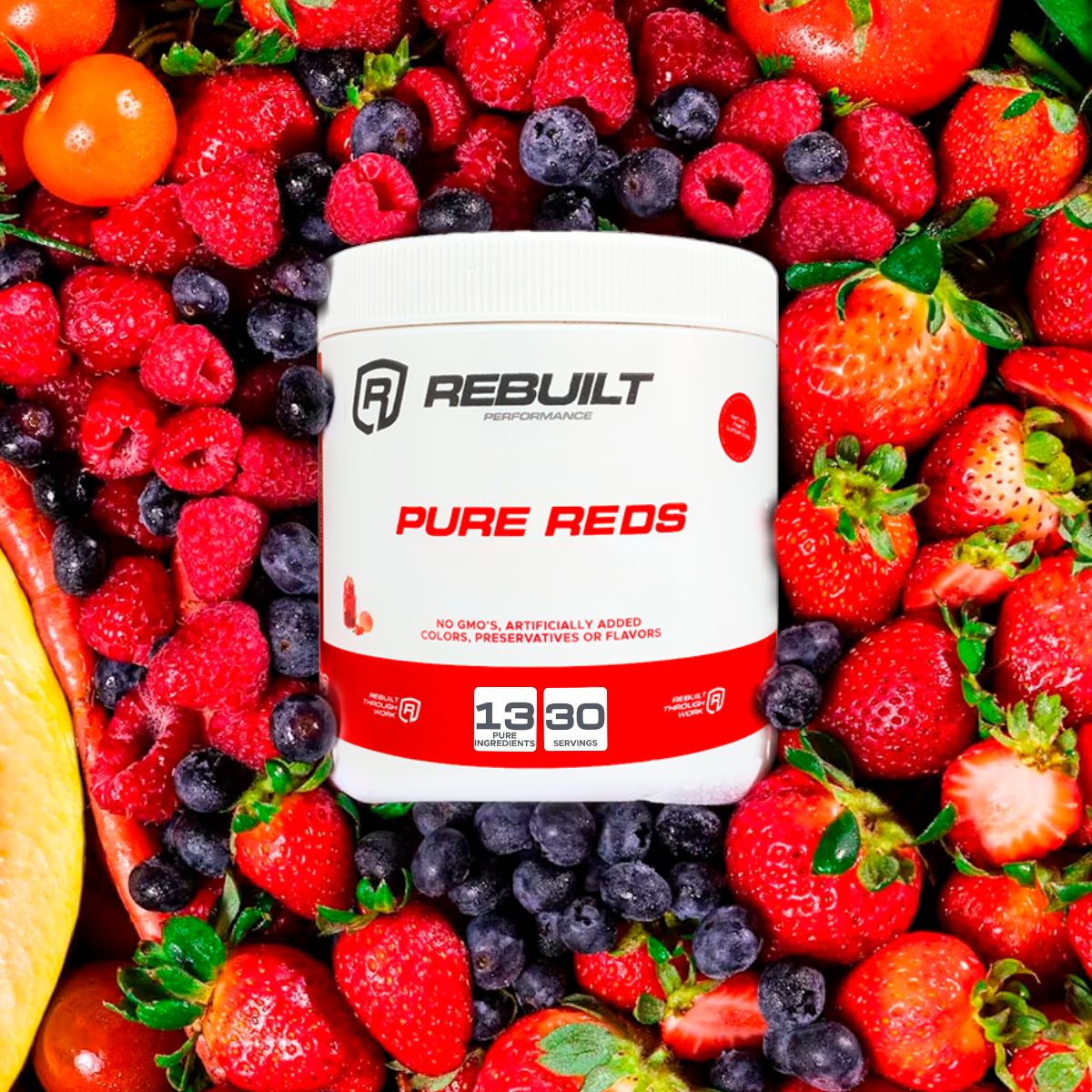
To increase energy levels naturally, focus on stabilizing blood sugar with balanced meals containing protein, complex carbohydrates, and healthy fats, while ensuring adequate intake of B vitamins, iron, magnesium, and other key nutrients that support cellular energy production. Unlike stimulants that create temporary spikes followed by crashes, proper nutrition provides sustained energy by supporting your body's fundamental metabolic processes.
Most people reach for coffee, energy drinks, or sugary snacks when fatigue hits. While these provide a quick jolt, they often leave you feeling worse an hour later. True, lasting energy comes from giving your cells what they need to produce ATP—the molecular "currency" your body uses for every function from brain activity to muscle contraction.
This article explores seven evidence-based nutritional strategies to naturally boost and sustain your energy throughout the day, backed by research and practical implementation tips.
Why Do I Feel Tired All the Time Despite Eating?
Persistent fatigue despite eating regularly often indicates what you're eating matters more than the fact you're eating. Many common dietary patterns—high in refined carbohydrates, low in essential nutrients, or poorly timed—actively drain your energy rather than sustain it.
Several nutritional factors contribute to chronic low energy:
- Blood sugar instability: Meals high in simple sugars cause insulin spikes followed by energy crashes
- Nutrient deficiencies: Insufficient B vitamins, iron, magnesium, or vitamin D impair cellular energy production1
- Dehydration: Even mild fluid deficits reduce cognitive and physical performance
- Poor meal timing: Long gaps between meals or eating too close to bedtime disrupts metabolic rhythms
- Digestive issues: If you can't absorb nutrients properly, even a perfect diet won't fuel your cells
Research from Stanford University demonstrates that dietary composition significantly impacts energy levels through its effects on gut microbiome diversity and metabolic function. A 2021 study found that increasing fermented foods in the diet enhanced microbiome diversity, which correlates with improved nutrient absorption and energy metabolism.2
Understanding these mechanisms helps explain why the seven strategies below work—and how to implement them effectively.
1. Stabilize Blood Sugar with Balanced Macronutrients
The single most important nutritional change for sustained energy is balancing your macronutrients—protein, carbohydrates, and fats—at every meal. This approach prevents the blood sugar rollercoaster that causes mid-morning crashes and afternoon slumps.
How to Structure Energy-Sustaining Meals
Each meal should contain:
- Protein (20-30g): Slows digestion and stabilizes blood sugar. Choose eggs, Greek yogurt, fish, poultry, legumes, or quality protein powder
- Complex carbohydrates: Provide steady glucose release. Focus on whole grains, sweet potatoes, oats, quinoa, and vegetables
- Healthy fats (10-15g): Further slow digestion and support nutrient absorption. Include avocado, nuts, seeds, olive oil, or fatty fish
- Fiber (7-10g): Moderates glucose absorption and supports digestive health
This combination ensures a gradual, sustained release of glucose into your bloodstream rather than the rapid spike-and-crash pattern caused by eating carbohydrates alone. The protein also provides amino acids your body needs for neurotransmitter production, including those that regulate alertness and mood.
Practical example: Instead of toast with jam (rapid spike), try whole grain toast with almond butter and sliced banana, plus a hard-boiled egg on the side. This meal provides sustained energy for 3-4 hours instead of 45 minutes.
2. Prioritize B Vitamins for Cellular Energy Production
B vitamins function as essential coenzymes in the metabolic pathways that convert food into ATP—your cells' direct energy source. Without adequate B vitamins, your mitochondria cannot efficiently produce energy regardless of how much food you eat.
Key B Vitamins for Energy
| B Vitamin | Role in Energy | Food Sources |
|---|---|---|
| B1 (Thiamine) | Glucose metabolism | Whole grains, pork, legumes |
| B2 (Riboflavin) | Electron transport chain | Eggs, dairy, almonds, spinach |
| B3 (Niacin) | NAD+ production | Poultry, fish, peanuts |
| B5 (Pantothenic Acid) | Coenzyme A synthesis | Mushrooms, avocado, chicken |
| B6 (Pyridoxine) | Amino acid metabolism | Bananas, chickpeas, salmon |
| B12 (Cobalamin) | Red blood cell formation, nerve function | Meat, fish, eggs, dairy (not in plants) |
| Folate (B9) | DNA synthesis, red blood cell maturity | Leafy greens, legumes, citrus |
B12 deficiency deserves special attention because it's common (affecting up to 15% of the general population) and causes profound fatigue that's often mistaken for other conditions. Vegetarians, vegans, people over 50, and those with digestive issues are at highest risk.
While whole foods should be your primary source, many people find it challenging to consistently obtain optimal amounts of all B vitamins through diet alone, especially B12 for those on plant-based diets. This is where a comprehensive greens supplement with naturally occurring B vitamins can fill nutritional gaps.
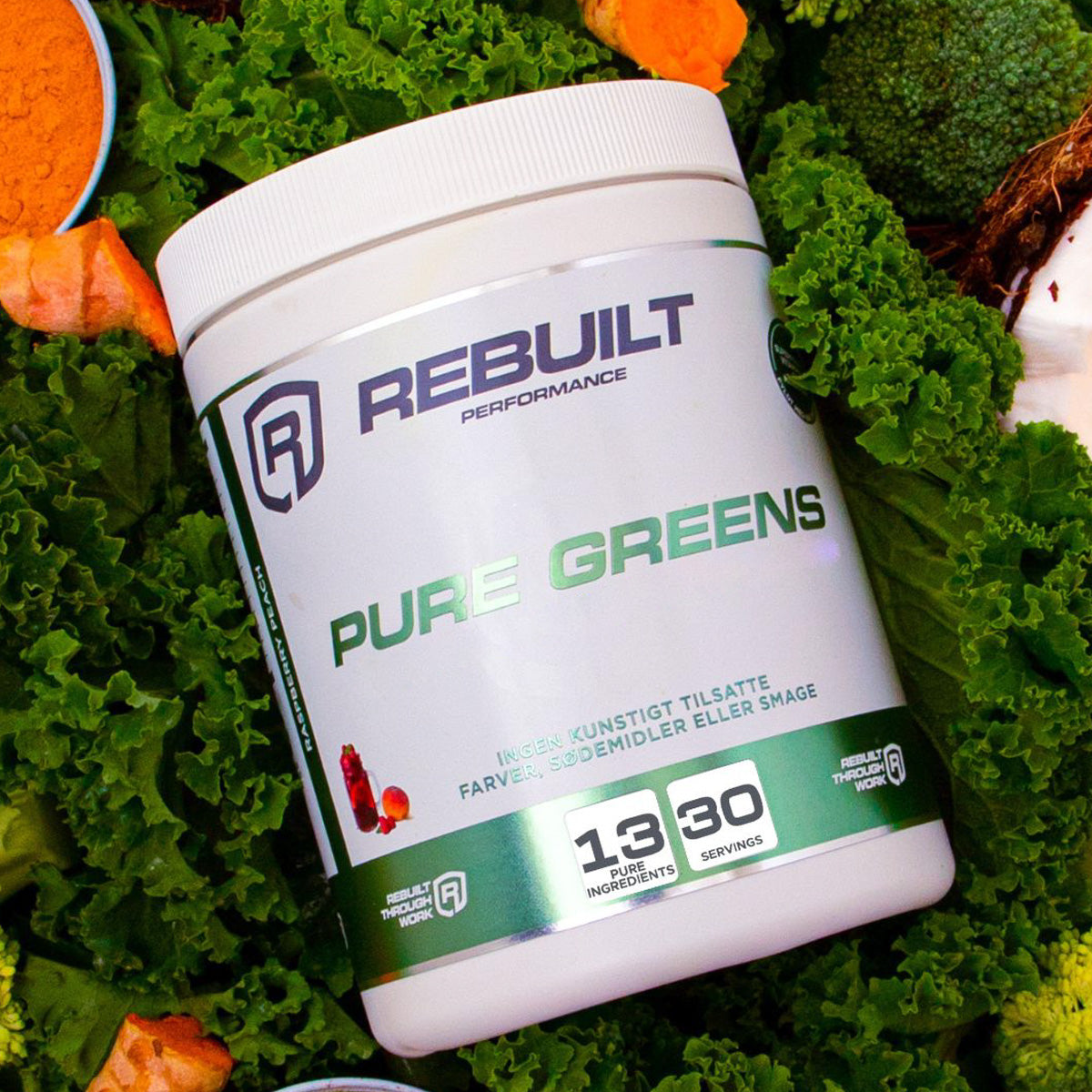
Pure Greens: 13 Ingredients for Natural Energy Support
Pure Greens is a Danish-developed greens powder designed to support normal energy levels through nutrition, not stimulants.1 Each serving contains exactly 13 carefully selected ingredients including spirulina, chlorella, and wheatgrass—all natural sources of B vitamins that support energy-yielding metabolism.
What makes Pure Greens different:
- Exactly 13 ingredients—nothing hidden, nothing unnecessary
- No proprietary blends; every ingredient and amount is clearly listed
- Danish formulation focused on quality and transparency
- No subscription required—order when you need it
- Supports normal energy levels through naturally occurring vitamins and minerals1
3. Ensure Adequate Iron to Transport Oxygen Efficiently
Iron deficiency is the most common nutritional deficiency worldwide and a leading cause of fatigue. Iron is essential for hemoglobin production—the protein in red blood cells that carries oxygen from your lungs to every cell in your body. Without sufficient oxygen delivery, your cells cannot produce energy efficiently.
Who's at Risk for Iron Deficiency?
- Women with heavy menstrual periods
- Pregnant and breastfeeding women
- Vegetarians and vegans (plant iron is less bioavailable)
- Endurance athletes (increased losses through sweat and foot strike hemolysis)
- People with digestive conditions affecting absorption
There are two types of dietary iron:
Heme iron (from animal sources) is absorbed at 15-35% efficiency and includes red meat, poultry, and fish. Non-heme iron (from plant sources) is absorbed at only 2-20% efficiency and includes lentils, beans, spinach, and fortified grains.
To maximize iron absorption from plant sources:
- Pair iron-rich foods with vitamin C (add lemon to spinach, tomatoes to beans)
- Avoid coffee or tea within 1 hour of iron-rich meals (tannins inhibit absorption)
- Cook in cast iron cookware to increase iron content of foods
- Consider fermented vegetables, which may enhance iron bioavailability2
If you experience persistent fatigue alongside other symptoms like pale skin, cold hands and feet, or difficulty concentrating, ask your healthcare provider to check your ferritin (iron storage) levels, not just hemoglobin.
What Foods Give You Energy Throughout the Day?
The best foods for sustained energy share common characteristics: high nutrient density, balanced macronutrients, and low glycemic impact. These foods provide steady fuel without causing blood sugar crashes.
Top Energy-Sustaining Foods
Complex carbohydrates:
- Oatmeal (choose steel-cut or rolled, not instant)
- Quinoa (complete protein plus complex carbs)
- Sweet potatoes (high in fiber and vitamin A)
- Brown rice (provides B vitamins and sustained glucose)
Quality proteins:
- Wild-caught salmon (protein plus omega-3s)
- Eggs (complete amino acid profile plus choline)
- Greek yogurt (protein plus probiotics for gut health)
- Lentils (plant protein plus iron and folate)
Healthy fats:
- Avocados (healthy fats plus potassium and fiber)
- Nuts and seeds (especially almonds and pumpkin seeds for magnesium)
- Extra virgin olive oil (supports nutrient absorption)
Nutrient-dense vegetables and fruits:
- Leafy greens (spinach, kale) for folate and iron
- Berries (antioxidants that support mitochondrial health)
- Bananas (quick-digesting carbs plus potassium and B6)
- Beets (support nitric oxide production for better blood flow)
Understanding chronic fatigue and nutrient deficiencies can help you identify which foods your diet may be lacking and how to strategically add them back in.
4. Optimize Magnesium for Energy Production and Sleep Quality
Magnesium is involved in over 300 enzymatic reactions in your body, including every step of ATP (energy) production. It's also critical for quality sleep—and poor sleep is one of the fastest ways to drain daytime energy.
Despite its importance, an estimated 50% of Americans don't meet the recommended daily intake of magnesium. Processing and refining remove most magnesium from foods, and modern agricultural practices have depleted soil magnesium levels.
Signs You May Need More Magnesium
- Persistent fatigue despite adequate sleep
- Muscle cramps or twitches
- Difficulty falling or staying asleep
- Anxiety or irritability
- Frequent headaches
The best dietary sources of magnesium include:
- Dark leafy greens (especially spinach and Swiss chard)
- Pumpkin seeds (150mg per ounce)
- Almonds and cashews
- Black beans and edamame
- Dark chocolate (70%+ cacao)
- Whole grains like brown rice and quinoa
For more on how mineral deficiencies affect sleep (which directly impacts energy), see why you toss and turn all night but crash hard during the day.
5. Time Your Meals to Support Circadian Energy Rhythms
When you eat can be nearly as important as what you eat. Your body's circadian rhythm—the internal 24-hour clock—affects insulin sensitivity, digestive enzyme production, and metabolic rate throughout the day.
Energy-Optimized Meal Timing
Morning (6-9 AM): Your first meal sets your metabolic tone for the day. Prioritize protein (20-30g) and complex carbohydrates to stabilize blood sugar and support neurotransmitter production. Skipping breakfast often leads to poor food choices and energy crashes later.
Many people who experience brain fog despite sleeping through the night find that a protein-rich breakfast dramatically improves morning mental clarity.
Midday (12-2 PM): Your insulin sensitivity peaks around noon, making this the ideal time for your largest meal if needed. Include all three macronutrients to sustain energy through the afternoon.
Afternoon snack (3-4 PM): If you experience an afternoon slump, a small balanced snack (apple with almond butter, Greek yogurt with berries) can bridge the gap to dinner without disrupting your appetite.
Evening (6-8 PM): Finish eating 3-4 hours before bed when possible. Late eating, especially heavy meals or simple carbohydrates, impairs sleep quality and next-day energy. If you need an evening snack, choose protein-based options like cottage cheese.
Avoid: Long fasting periods (over 5-6 hours during waking hours) that cause blood sugar drops, and late-night eating that disrupts circadian rhythms.
How Can I Boost My Energy Without Caffeine?
While moderate caffeine use can be part of a healthy routine, relying on it to compensate for nutritional deficits creates a cycle of dependency and crashes. Here are evidence-based alternatives that support natural energy production:
Spirulina for Endurance and Reduced Fatigue
Spirulina is a blue-green algae that has demonstrated significant benefits for energy and fatigue in clinical research. A randomized controlled trial found that spirulina supplementation reduced mental and physical fatigue in participants.3 Another study showed that spirulina reduces exercise-induced oxidative stress and increases time to exhaustion during physical activity.4
Additional research demonstrated that spirulina supplementation improved sleep quality and reduced perceived stress levels—both critical factors for daytime energy.5 Spirulina is naturally rich in protein (60-70% by weight), B vitamins, iron, and essential amino acids, making it a comprehensive nutritional support for energy production.
Strategic Hydration
Even 2% dehydration impairs cognitive performance and increases fatigue perception. Many people mistake mild dehydration for hunger or low energy and reach for food or caffeine when their body actually needs water.
Aim for:
- 16-20 oz water upon waking
- 8 oz water 30 minutes before meals
- Consistent sipping throughout the day (half your body weight in ounces as a baseline)
- Electrolytes if you exercise intensely or sweat heavily
Movement and Light Exposure
While not strictly nutritional, these behaviors profoundly affect how your body uses nutrients for energy:
- Morning sunlight (10-30 minutes): Resets circadian rhythm and supports vitamin D production
- Brief movement breaks: A 5-minute walk every 90 minutes improves glucose metabolism and increases alertness
- Breathing exercises: Controlled breathing for 2-3 minutes increases oxygen delivery and can boost immediate energy
Comparing Greens Supplements for Energy Support
| Feature | Pure Greens | Typical Market Alternative |
|---|---|---|
| Ingredient Count | 13 ingredients (all listed with amounts) | 30-75+ ingredients in proprietary blends |
| Transparency | Every ingredient and amount disclosed | Often uses proprietary blends hiding amounts |
| Spirulina (evidence-based) | Included with disclosed amount | Often minimal amount in blend |
| Purchasing Model | No subscription required | Often requires subscription to get best price |
| Development Origin | Danish-developed formula | Varies |
6. Support Your Gut Health for Optimal Nutrient Absorption
You can eat the most nutritious diet imaginable, but if your digestive system can't properly break down and absorb those nutrients, your cells won't receive the fuel they need for energy production.
Gut health affects energy through several mechanisms:
- Nutrient absorption: A healthy gut lining efficiently absorbs vitamins, minerals, and amino acids
- B vitamin synthesis: Beneficial gut bacteria produce certain B vitamins including B12, biotin, and folate
- Inflammation regulation: Poor gut health can lead to system-wide issues that drain energy
- Neurotransmitter production: About 90% of serotonin (affects mood and energy) is produced in the gut
Research from Stanford University demonstrated that a diet rich in fermented foods significantly increases microbiome diversity, which correlates with improved metabolic function and nutrient utilization.2
How to Support Digestive Health for Better Energy
- Fiber (25-35g daily): Feeds beneficial bacteria; include vegetables, fruits, whole grains, legumes
- Fermented foods: Yogurt, kefir, sauerkraut, kimchi, kombucha provide beneficial probiotics
- Digestive enzymes: May help if you experience bloating or feel tired after meals
- Adequate hydration: Essential for proper digestion and nutrient transport
- Mindful eating: Chew thoroughly and eat without rushing to support optimal digestion
For those experiencing fatigue after meals or persistent bloating that affects energy, learning about digestive enzymes and bloating relief can be particularly helpful.
7. Stay Hydrated with Electrolyte Balance
Water is essential for every energy-producing process in your body, from nutrient transport to waste removal. But hydration isn't just about water—electrolyte balance (sodium, potassium, magnesium, calcium) is equally important for cellular energy.
Signs of Dehydration That Mimic Low Energy
- Afternoon fatigue or brain fog
- Headaches (especially in the afternoon)
- Dark yellow urine
- Dizziness when standing
- Difficulty concentrating
- Dry mouth or skin
Many people drinking plain water throughout the day are still functionally dehydrated because they're flushing out electrolytes without replacing them.
Smart Hydration Strategy
- Start your day: 16-20 oz water with a pinch of sea salt upon waking
- With meals: 8 oz water 30 minutes before eating (not during meals, which can dilute digestive enzymes)
- During activity: Add electrolytes if exercising over 60 minutes or sweating significantly
- Monitor: Your urine should be pale yellow; clear means overhydrated, dark yellow means underhydrated
Natural electrolyte sources include:
- Coconut water (potassium)
- Sea salt or Himalayan salt (sodium and trace minerals)
- Leafy greens (magnesium and potassium)
- Bananas (potassium)
- Bone broth (sodium and minerals)
Frequently Asked Questions
What vitamin gives you energy immediately?
No vitamin provides instant energy like a stimulant would. However, B vitamins—particularly B12—support the metabolic processes that convert food into cellular energy (ATP). If you're deficient in B12, supplementation can lead to noticeable energy improvements within days to weeks, but this isn't "instant" energy—it's correcting a deficiency that was impairing your energy production. For immediate alertness without vitamins, try cold water on your face, brief intense movement, or controlled breathing exercises.
How long does it take to increase energy levels naturally through nutrition?
The timeline varies based on your starting point. Blood sugar stabilization from balanced meals can improve energy within 3-5 days. Correcting nutrient deficiencies typically takes 2-4 weeks to show noticeable effects, though severe deficiencies may require 2-3 months. Building optimal gut health and microbiome diversity may take 4-8 weeks. Consistency is key—sporadic changes won't produce lasting results.
Can you increase energy without supplements?
Yes, absolutely. The foundation of natural energy is whole food nutrition: balanced meals with protein, complex carbs, and healthy fats; adequate hydration; sufficient B vitamins, iron, and magnesium from food sources; proper meal timing; and good sleep hygiene. Supplements can fill gaps when diet alone falls short (such as B12 for vegans or vitamin D in winter), but they should complement, not replace, a solid nutritional foundation.
Why do I feel more tired after eating healthy foods?
This usually indicates one of three issues: (1) You're eating too many carbohydrates without balancing protein and fat, causing blood sugar spikes even with healthy carbs; (2) You have a digestive issue preventing proper nutrient absorption—you may need digestive enzyme support; or (3) You're not eating enough total calories, and your body is conserving energy. Make sure each meal includes adequate protein (20-30g) and healthy fats, not just vegetables and grains.
What foods should I avoid if I want more energy?
Minimize or avoid: refined sugars and white flour products (cause blood sugar crashes); excessive caffeine, especially after 2 PM (disrupts sleep and creates dependency); alcohol (impairs sleep quality and nutrient absorption); highly processed foods with trans fats (impair cellular function); and eating large meals within 3 hours of bedtime (disrupts sleep and next-day energy). Also be mindful of food sensitivities—dairy, gluten, or other foods that cause digestive distress can significantly drain your energy.
Does drinking more water really increase energy levels?
Yes, if you're even mildly dehydrated. Research shows that as little as 2% dehydration impairs cognitive performance, increases fatigue perception, and reduces physical performance. However, drinking excessive amounts of plain water can actually worsen fatigue by diluting electrolytes. The key is balanced hydration: consistent water intake throughout the day with adequate electrolytes from food or a pinch of quality sea salt in your water. Most people need about half their body weight in ounces daily as a baseline, more if active or in hot climates.
Are greens powders effective for increasing energy naturally?
Quality greens powders can support normal energy levels by providing concentrated sources of vitamins, minerals, and phytonutrients that support cellular energy production.1 However, effectiveness depends entirely on the formulation. Look for products with transparent ingredient lists (no proprietary blends), evidence-based ingredients like spirulina,3,4,5 and appropriate serving sizes. Greens powders work best as part of a complete nutritional strategy, not as a replacement for whole foods or as a "quick fix" for poor dietary habits.
Claims and References
Structure/Function Claims:
- B vitamins, iron, and magnesium support normal energy-yielding metabolism and support normal energy levels (structure/function claim based on established nutritional science)
References
- Wastyk HC, Fragiadakis GK, Perelman D, et al. Gut-microbiota-targeted diets modulate human immune status. Cell. 2021;184(16):4137-4153.e14. PMID: 34256014. Stanford University study demonstrating that fermented foods increase microbiome diversity.
- Kalafati M, Jamurtas AZ, Nikolaidis MG, et al. Ergogenic and antioxidant effects of spirulina supplementation in humans. Med Sci Sports Exerc. 2010;42(1):142-151. PMID: 19936191. Study showing spirulina reduces oxidative stress and increases endurance performance.
- Randomized controlled trial of spirulina supplementation: reduced mental and physical fatigue in participants. PMID: 26888417.
- Randomized controlled trial of spirulina: improved sleep quality and reduced perceived stress levels. PMID: 34107141.
- Mozaffarian D, et al. Optimizing nutrition during treatment with glucagon-like peptide-1 receptor agonists. Am J Clin Nutr. 2025;122:344. Research on nutrition support during metabolic interventions, including addressing digestive side effects. PMC9821052 provides additional context on GLP-1 side effects including constipation and bloating, and the role of dietary supplements.
FDA Disclaimer: These statements have not been evaluated by the Food and Drug Administration. This product is not intended to diagnose, treat, cure, or prevent any disease.
