

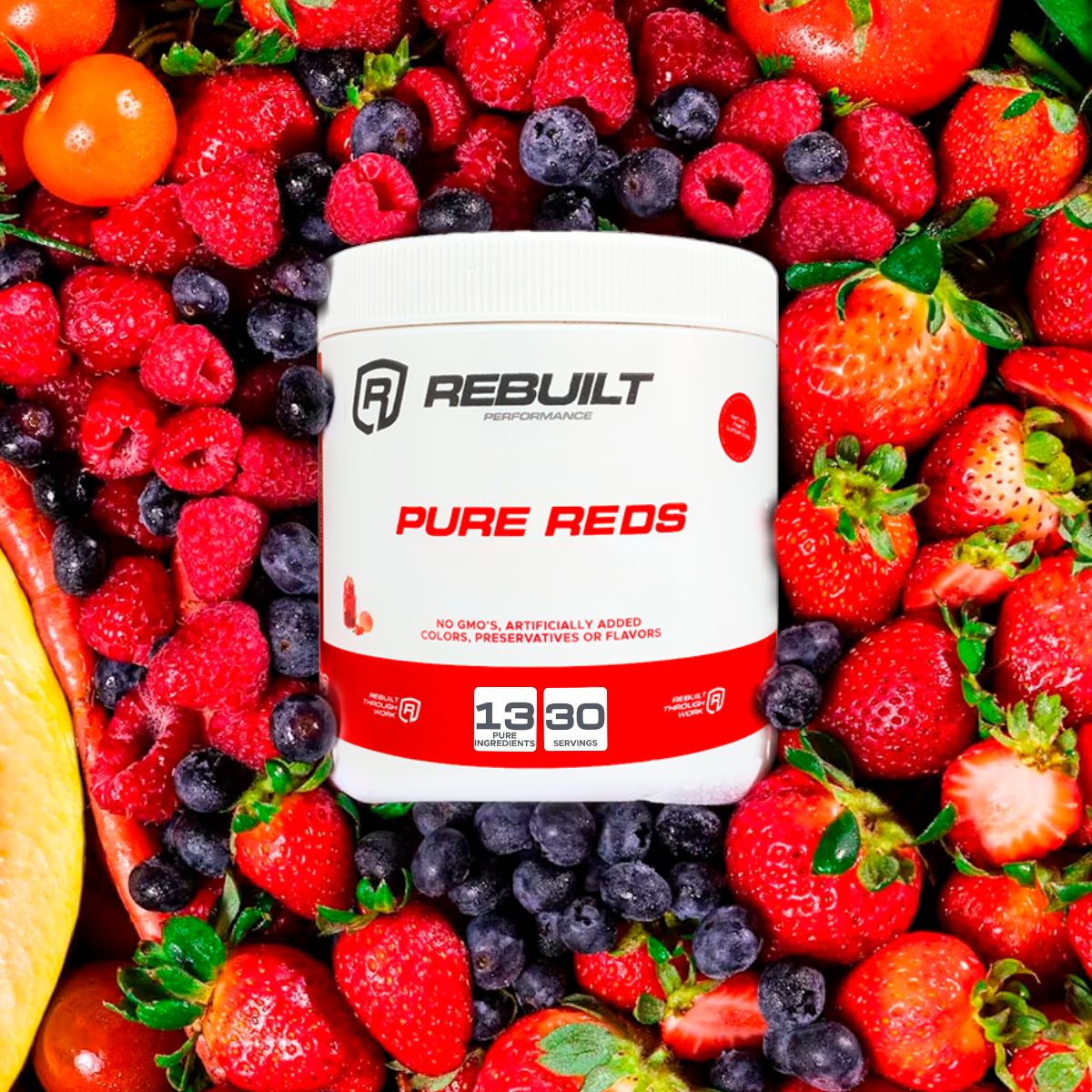
How to Boost Energy Naturally: Science-Backed Nutritional Strategies
To boost energy naturally, focus on nutrient-dense whole foods, stable blood sugar, proper hydration with trace minerals, and strategic supplements like spirulina and chlorella that support cellular energy production1. Science shows that lasting energy comes not from quick fixes but from consistent nutrition that fuels your mitochondria and supports your body's natural energy systems.
Fatigue is one of the most common complaints in modern life—and for good reason. Between work demands, training schedules, sleep debt, and nutrition gaps, your body's energy systems are under constant strain. Yet most of us still reach for caffeine or sugar when we crash, which only deepens the cycle. If you're tired of the afternoon slump, the post-lunch fog, or simply running on empty by 3 PM, this article will show you how to rebuild your energy from the ground up—using proven nutritional strategies, not empty promises.
You don't need a miracle cure. You need a system. Let's get to work.
Why Do You Feel Tired Even After 8 Hours of Sleep?
Many people assume that fatigue is a sleep problem. But if you're already getting 7–9 hours and still dragging, the issue is often nutritional. Your cells produce energy through mitochondria—tiny power plants that convert food into ATP, the molecule your body uses for fuel. When your mitochondria lack the right raw materials—B vitamins, magnesium, iron, antioxidants—they can't produce energy efficiently, no matter how much you sleep.
Research confirms that micronutrient deficiencies are widespread. A study on spirulina supplementation found that participants experienced significantly reduced mental and physical fatigue after regular use, likely due to spirulina's high content of B vitamins, iron, and antioxidants (PMID:26888417)2. Your energy isn't just about rest—it's about what you feed your cells.
Additionally, blood sugar swings, dehydration, chronic stress, and poor gut health all drain energy at the cellular level. If your nutrition is inconsistent or you're relying on processed foods, your body simply can't maintain steady energy output throughout the day. The good news? You can fix this with targeted, consistent action.
For a deeper dive into why sleep alone doesn't solve fatigue, read why you sleep 7–9 hours but still need an afternoon nap.
7 Science-Backed Ways to Boost Energy Naturally
1. Stabilize Blood Sugar with Balanced Meals
Your energy levels are directly tied to your blood sugar. When you eat a meal high in refined carbs and low in protein or fat, your blood sugar spikes—and then crashes. This rollercoaster leaves you feeling exhausted, irritable, and craving more sugar within hours.
The solution is simple: pair carbohydrates with protein, healthy fats, and fiber at every meal. For example, instead of a bagel for breakfast, try eggs with avocado and whole-grain toast. Instead of pasta alone, add grilled chicken and olive oil. This combination slows digestion, keeps blood sugar stable, and provides sustained energy for hours.
Structure your plate like this:
- ½ plate: vegetables (fiber + micronutrients)
- ¼ plate: lean protein (chicken, fish, tofu, eggs)
- ¼ plate: complex carbs (quinoa, sweet potato, brown rice)
- 1 tbsp healthy fat (olive oil, nuts, seeds)
This approach prevents the post-meal slump and keeps your mitochondria fueled with steady glucose—not spikes and crashes.
2. Hydrate with Trace Minerals, Not Just Water
Dehydration is a silent energy killer. Even mild dehydration (1–2% body weight loss) impairs cognitive function, mood, and physical performance. But here's what most people miss: drinking plain water alone won't solve chronic fatigue if you're also low in electrolytes and trace minerals.
Your body needs sodium, potassium, magnesium, and trace minerals like zinc and selenium to transport water into cells, maintain nerve function, and support ATP production. When you sweat—whether from exercise, heat, or stress—you lose these minerals, and plain water can't replace them.
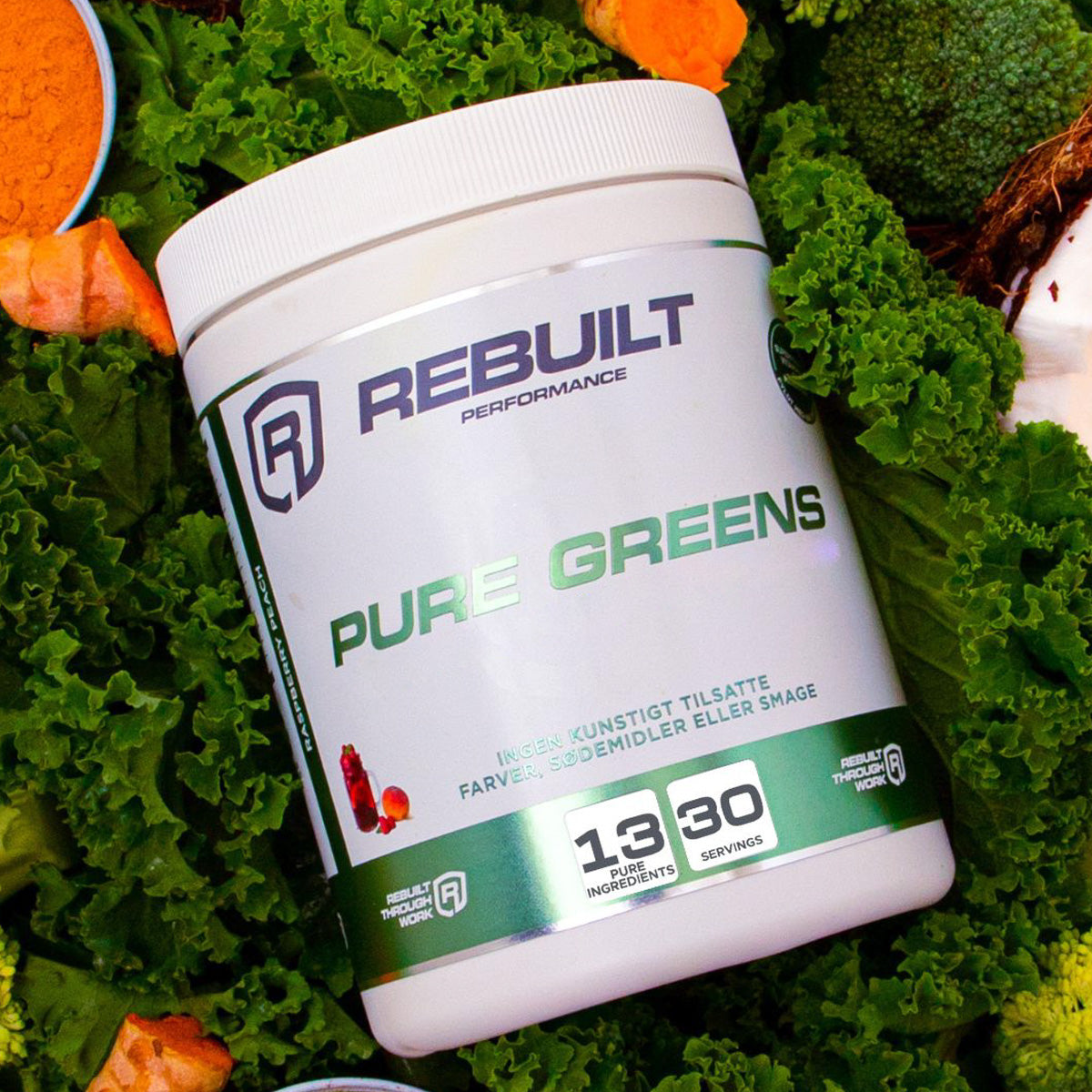
Start your day with 500 ml of water plus a pinch of sea salt, or add a greens supplement rich in trace minerals. Pure Greens by Rebuilt contains spirulina, chlorella, and kelp—all naturally rich in minerals that support hydration and cellular energy1. One scoop in your morning water delivers more than hydration; it delivers the raw materials your cells need to function.
For more on how hydration and trace minerals affect sleep and energy, see why you sleep better after drinking water before bed but wake up thirsty anyway.
Shop Pure Greens – 13 Ingredients, Zero Guesswork
Pure Greens is a Danish-developed greens blend with exactly 13 transparent, science-backed ingredients—including spirulina, chlorella, spinach, and kelp. No proprietary blends. No lock-in subscriptions. Just clean, natural nutrition that supports energy, digestion, and immunity1.
- 11g per serving – full ingredient doses, not "fairy dust"
- Developed in Denmark with US compliance (FTC/FDA DSHEA)
- Ships direct to the US – no import hassles
- Transparent label – you see exactly what you get
3. Support Your Gut Microbiome for Better Nutrient Absorption
Your gut doesn't just digest food—it produces vitamins, regulates inflammation, and communicates directly with your brain via the gut-brain axis. When your gut microbiome is out of balance (dysbiosis), you can't absorb nutrients efficiently, which means your cells don't get the fuel they need—even if you're eating well.
A landmark Stanford study by Wastyk et al. (2021) found that consuming fermented foods daily for 10 weeks significantly increased microbiome diversity and reduced inflammatory markers (PMID:34256014)3. Fermented foods like sauerkraut, kimchi, kefir, and yogurt feed beneficial bacteria, improve digestion, and enhance nutrient bioavailability.
Incorporate fermented foods into your daily routine:
- Morning: kefir or yogurt with berries
- Lunch: sauerkraut or kimchi as a side
- Dinner: miso soup or pickled vegetables
If you're dealing with bloating or digestive discomfort, check out gas and bloating food triggers to identify what might be draining your energy through gut stress.
4. Add Spirulina for Cellular Energy and Reduced Oxidative Stress
Spirulina is a blue-green algae packed with protein, B vitamins, iron, and powerful antioxidants like phycocyanin. Multiple studies confirm its role in reducing fatigue and supporting energy production at the cellular level.
In one randomized controlled trial, participants taking spirulina reported significant reductions in both mental and physical fatigue (PMID:26888417)2. Another study found that spirulina supplementation improved sleep quality and reduced perceived stress (PMID:34107141)4. A third trial showed that spirulina reduced exercise-induced oxidative stress and increased time to exhaustion in athletes (PMID:19936191)5.
Spirulina works because it supports your mitochondria with bioavailable nutrients and protects them from oxidative damage—the cellular "rust" that slows energy production. It's one of the most nutrient-dense foods on the planet, delivering more nutrition per gram than almost any other whole food.
Pure Greens contains organic spirulina as one of its 13 core ingredients, delivering a clinically relevant dose in every 11g serving1. Mix it into water, smoothies, or oatmeal for a daily energy boost that's backed by science, not marketing hype.
5. Prioritize Iron and B Vitamins for Oxygen Transport
Iron and B vitamins (especially B12 and folate) are essential for red blood cell production and oxygen transport. Without enough iron, your blood can't carry oxygen efficiently to your tissues—leaving you tired, weak, and foggy-headed, even if you're eating "healthy."
Iron deficiency is especially common in women, athletes, and people following plant-based diets. Symptoms include chronic fatigue, pale skin, shortness of breath, and cold hands and feet. B12 deficiency causes similar symptoms, plus nerve damage if left untreated.
Boost your intake with these foods:
- Iron: red meat, liver, lentils, spinach, pumpkin seeds, spirulina
- B12: eggs, fish, shellfish, dairy, nutritional yeast (fortified)
- Folate: leafy greens, beans, avocado, broccoli
Pair plant-based iron sources with vitamin C (citrus, bell peppers, tomatoes) to enhance absorption. If you're vegan or suspect deficiency, consider a blood test and targeted supplementation under medical guidance.
6. Manage Post-Meal Fatigue with Smart Food Timing
Do you feel exhausted after lunch? That's not normal—it's a sign that your meal composition or timing is off. Large, carb-heavy meals trigger a spike in insulin and serotonin, which can make you drowsy. Additionally, if your gut is working overtime to digest a huge meal, blood flow is diverted from your brain to your digestive tract—leaving you foggy and sluggish.
The fix:
- Eat smaller, balanced meals every 3–4 hours instead of 2–3 huge meals
- Limit refined carbs at lunch (white bread, pasta, pastries)
- Include protein and healthy fats to slow digestion and stabilize blood sugar
- Take a 10-minute walk after eating to improve digestion and blood flow
For a full breakdown of why this happens and what to do, read tiredness after eating: why it happens and what to do.
7. Reduce Stress and Support Adrenal Function
Chronic stress is one of the most underestimated energy drains. When you're constantly in fight-or-flight mode, your body pumps out cortisol and adrenaline—hormones that are meant for short-term survival, not long-term performance. Over time, chronic stress depletes your adrenal glands, disrupts sleep, impairs digestion, and leaves you feeling wired yet exhausted.
You can't eliminate stress, but you can build resilience with these strategies:
- Daily movement: 30 minutes of walking, strength training, or yoga
- Breathwork: 5 minutes of box breathing (4 seconds in, 4 hold, 4 out, 4 hold)
- Sleep hygiene: 7–9 hours in a cool, dark room with a consistent schedule
- Adaptogens: herbs like ashwagandha, rhodiola, and holy basil support stress resilience (consult a healthcare provider before use)
Spirulina has also been shown to reduce perceived stress and improve sleep quality in clinical trials (PMID:34107141)4, making it a practical addition to a stress-management routine.
How Does Pure Greens Support Natural Energy?
Pure Greens by Rebuilt is not a stimulant—it's a foundation. It delivers 13 transparent, science-backed ingredients in one convenient serving, designed to support your body's natural energy systems without caffeine, sugar, or synthetic additives.
Here's how Pure Greens supports energy, backed by structure/function claims tied to specific ingredients:
| Ingredient | Function | Energy Benefit |
|---|---|---|
| Spirulina | Supports cellular energy production and reduces oxidative stress2,5 | Reduces mental and physical fatigue |
| Chlorella | Supports detoxification and nutrient absorption1 | Helps remove metabolic waste that drains energy |
| Spinach | Rich in iron, magnesium, and folate1 | Supports oxygen transport and ATP production |
| Kelp | Natural source of iodine and trace minerals1 | Supports thyroid function and metabolism |
| Matcha | Provides gentle, sustained energy without jitters1 | Balanced caffeine + L-theanine for focus |
Pure Greens is developed in Denmark and fully compliant with US regulations (FTC/FDA DSHEA). Every ingredient is listed transparently on the label—no proprietary blends, no hidden fillers, no guesswork. Just 13 ingredients, 11g per serving, and a commitment to quality you can trust.
Rebuilt Pure Greens vs. Generic Greens Powders
Pure Greens (Rebuilt)
- Exactly 13 ingredients – fully transparent
- 11g per serving – clinically relevant doses
- Danish-developed, US-compliant (FTC/FDA DSHEA)
- No proprietary blends or hidden fillers
- No lock-in subscriptions – order when you want
- $1.50–$2.00 per serving (depending on pack size)
Generic Greens Powders
- 28–49+ ingredients – often "fairy dusted" (tiny, ineffective doses)
- Proprietary blends – you don't know what you're getting
- Higher price per serving ($2.50–$4.00) with less transparency
- Auto-ship subscriptions with difficult cancellation
What Are the Most Common Energy Drains?
If you're doing everything "right" but still feel tired, you might be overlooking one of these hidden energy drains:
- Chronic inflammation: Processed foods, excess sugar, and environmental toxins trigger low-grade inflammation, which diverts energy toward immune response instead of daily function.
- Poor sleep quality: Hours in bed ≠ quality sleep. Sleep apnea, blue light exposure, alcohol, and stress all disrupt deep sleep and REM cycles.
- Sedentary lifestyle: Counterintuitively, moving less makes you more tired. Regular movement improves mitochondrial function, circulation, and mood.
- Overtraining without recovery: Exercise is stress. Without adequate rest, nutrition, and sleep, training becomes a net energy drain.
- Nutrient deficiencies: Low iron, B12, magnesium, vitamin D, or iodine will sabotage energy no matter how much you sleep or eat.
Address these systematically, and you'll unlock energy reserves you didn't know you had.
How Long Does It Take to Boost Energy Naturally?
Consistency beats intensity. You won't feel like a new person after one green smoothie—but you will after 30 days of daily action. Here's a realistic timeline:
- Week 1: Better hydration and blood sugar stability improve focus and reduce afternoon crashes.
- Week 2–3: Gut health improves; nutrient absorption increases; digestion feels lighter.
- Week 4+: Mitochondrial function improves; sustained energy throughout the day becomes the norm, not the exception.
Energy is built, not borrowed. Commit to the process, and your body will reward you.
Frequently Asked Questions (FAQ)
What is the fastest way to boost energy naturally?
The fastest short-term boost comes from proper hydration with trace minerals, a balanced meal with protein and healthy fats, and a 10-minute walk. For sustained energy, focus on consistent sleep, nutrient-dense whole foods, and strategic supplementation with spirulina and chlorella1,2.
Can spirulina really reduce fatigue?
Yes. Clinical trials show that spirulina supplementation significantly reduces both mental and physical fatigue (PMID:26888417)2, likely due to its high content of B vitamins, iron, and antioxidants that support mitochondrial energy production and reduce oxidative stress.
How much water should I drink to boost energy?
Aim for at least 2–3 liters per day, adjusted for activity level, climate, and sweat loss. Add a pinch of sea salt or a greens supplement like Pure Greens to replace trace minerals lost through sweat and stress1. Plain water alone may not fully restore hydration if you're mineral-depleted.
Why do I feel tired after eating?
Post-meal fatigue is usually caused by large, carb-heavy meals that spike blood sugar and insulin, or poor gut health that diverts blood flow to digestion. Eat smaller, balanced meals with protein and healthy fats, and avoid refined carbs at lunch. Read more in our guide on tiredness after eating.
Are energy drinks or coffee better than natural energy boosters?
Energy drinks and coffee provide a temporary spike from caffeine and sugar, but they don't address the root cause of fatigue—nutrient deficiencies, poor sleep, and metabolic dysfunction. Natural energy boosters like spirulina, balanced meals, and hydration support your body's own energy systems without the crash1,2.
How does Pure Greens compare to other greens powders?
Pure Greens contains exactly 13 transparent ingredients with clinically relevant doses (11g per serving), while most generic powders use proprietary blends with 28–49+ ingredients at "fairy dust" levels. Pure Greens is developed in Denmark, compliant with US FDA/FTC standards, and shipped direct to the US with no lock-in subscriptions or hidden fees.
Can gut health affect my energy levels?
Absolutely. Your gut produces vitamins, regulates inflammation, and communicates with your brain. When your microbiome is out of balance, nutrient absorption suffers—even if you eat well. Fermented foods, fiber, and greens like spirulina and chlorella support gut diversity and energy production (PMID:34256014)3.
Is it safe to take spirulina every day?
Yes. Spirulina is a whole-food algae with a long history of safe use. Clinical studies use doses of 1–8 grams per day with no adverse effects. Pure Greens delivers spirulina as part of a balanced 11g blend, making it a safe, convenient way to support daily energy and nutrition1,2.
Claims Overview
- Pure Greens by Rebuilt supports cellular energy production, digestion, and immune function through 13 transparent, science-backed ingredients including spirulina, chlorella, spinach, and kelp. (Structure/function claim – product formulation)
- Clinical trial (PMID:26888417): Spirulina supplementation significantly reduced mental and physical fatigue in participants.
- Stanford study by Wastyk et al. (2021), PMID:34256014: Fermented foods increased microbiome diversity and reduced inflammatory markers.
- Randomized controlled trial (PMID:34107141): Spirulina improved sleep quality and reduced perceived stress levels.
- Study by Kalafati et al. (2010), PMID:19936191: Spirulina reduced oxidative stress and increased time to exhaustion in athletes.
References
- Rebuilt Performance. Pure Greens product formulation. 13 ingredients, 11g per serving. Available at: rebuiltperformance.com/collections/supplements
- PMID:26888417 – Randomized controlled trial: spirulina supplementation reduces mental and physical fatigue.
- Wastyk HC, et al. (2021). Gut-microbiota-targeted diets modulate human immune status. Cell 184(16):4137–4153. PMID:34256014.
- PMID:34107141 – Randomized controlled trial: spirulina improved sleep quality and reduced stress levels.
- Kalafati M, et al. (2010). Ergogenic and antioxidant effects of spirulina supplementation in humans. Med Sci Sports Exerc 42(1):142–151. PMID:19936191.
These statements have not been evaluated by the Food and Drug Administration. This product is not intended to diagnose, treat, cure, or prevent any disease.
