

Boost Your Immune System Naturally Through Nutrition
To boost your immune system naturally, focus on a nutrient-dense diet rich in vitamins C and D, zinc, selenium, and fermented foods that support your gut microbiome—where approximately 70% of your immune cells reside. Prioritizing whole foods, quality sleep, stress management, and specific nutrients like spirulina can support your body's natural defense mechanisms and help maintain normal immune function year-round.
Your immune system works tirelessly every day to protect you from environmental stressors and support overall wellness. Yet many Americans struggle with frequent seasonal discomfort, low energy, and compromised vitality—often without realizing that foundational nutrition plays a crucial role in immune health. Understanding how to naturally support your immune function through dietary choices can transform your daily well-being and resilience.
Why Does Immune Health Matter for Daily Wellness?
Your immune system is your body's defense network, consisting of cells, tissues, and organs working together to support normal physiological function. When this system operates optimally, you experience better energy levels, faster recovery from physical stress, and improved overall vitality. However, modern lifestyle factors—including processed foods, inadequate sleep, chronic stress, and sedentary habits—can challenge your body's natural immune response.
The gut-immune connection is particularly significant. Research shows that your digestive system houses the majority of your immune cells, making gut health inseparable from immune function. This connection explains why digestive comfort and immune vitality often go hand in hand.
7 Science-Backed Nutritional Strategies to Support Immune Function
1. How Can Fermented Foods Support Your Immune System?
Fermented foods represent one of the most powerful dietary interventions for immune support. A landmark Stanford University study published in Cell demonstrated that consuming fermented foods significantly increases gut microbiome diversity and supports healthy inflammatory markers.1
Include these fermented foods in your daily routine:
- Yogurt with live cultures: Choose plain, unsweetened varieties with multiple probiotic strains
- Kefir: A fermented milk drink with diverse bacterial species
- Sauerkraut: Unpasteurized versions provide beneficial bacteria
- Kimchi: Korean fermented vegetables rich in lactobacilli
- Kombucha: Fermented tea containing probiotics and organic acids
- Miso: Fermented soybean paste packed with enzymes
The Stanford research found that participants consuming six servings of fermented foods daily showed increased microbiome diversity within just 10 weeks—a change associated with improved immune markers. Start with one serving daily and gradually increase to support your digestive system's adaptation.
2. What Role Does Vitamin D Play in Immune Health?
Vitamin D functions as both a vitamin and a hormone, playing a crucial role in immune cell function. Many Americans—particularly those in northern states or with darker skin tones—experience insufficient vitamin D levels, especially during winter months.
To optimize your vitamin D status:
- Sunlight exposure: Aim for 10-30 minutes of midday sun on bare skin several times weekly (without sunscreen initially, then protect skin)
- Fatty fish: Salmon, mackerel, and sardines provide significant vitamin D3
- Fortified foods: Many dairy products, plant milks, and cereals contain added vitamin D
- Egg yolks: One of the few naturally vitamin D-rich foods
- Supplementation: Consider 1,000-2,000 IU daily, particularly in winter (consult your healthcare provider for personalized guidance)
Vitamin D receptors exist on immune cells throughout your body, indicating this nutrient's importance in supporting normal immune function. Maintaining adequate levels supports your body's natural defense mechanisms year-round.
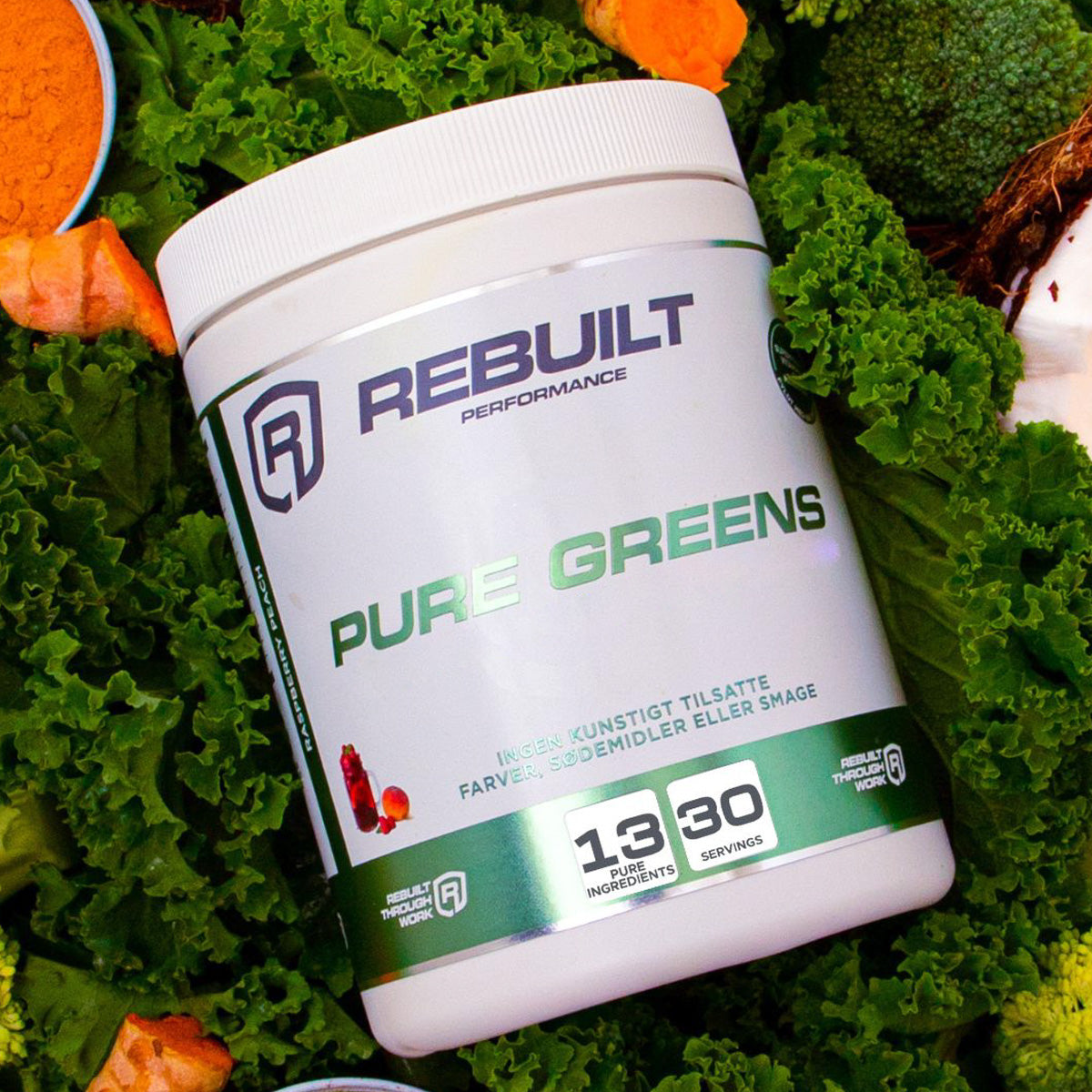
Support Your Immune Foundation with Pure Greens
Pure Greens contains spirulina, a nutrient-dense algae that supports normal immune function and provides antioxidant protection.2,3 Each serving delivers essential vitamins, minerals, and plant compounds that complement your whole-food diet and support your body's natural defenses.
3. How Does Zinc Support Your Body's Natural Defenses?
Zinc is an essential mineral involved in over 300 enzymatic reactions, including those critical for immune cell development and function. Even mild zinc deficiency can compromise your body's immune response, yet many Americans consume suboptimal amounts.
Excellent dietary zinc sources include:
- Oysters: The richest food source, providing more than 300% of daily needs per serving
- Beef and lamb: Grass-fed options offer superior nutrient profiles
- Pumpkin seeds: A plant-based zinc powerhouse
- Cashews and almonds: Convenient snack options with good zinc content
- Chickpeas and lentils: Budget-friendly legumes providing moderate zinc
- Dark chicken meat: More zinc than white meat
Plant-based eaters should note that phytates in grains and legumes can reduce zinc absorption. Soaking, sprouting, or fermenting these foods increases bioavailability. Aim for 8-11 mg daily from food sources, and consider supplementation if you follow a plant-based diet or have increased needs.
4. Can Vitamin C Really Support Immune Function?
Vitamin C is perhaps the most well-known immune-supporting nutrient, and for good reason. This water-soluble antioxidant supports various cellular functions of both the innate and adaptive immune system. Your body cannot produce or store vitamin C, making regular dietary intake essential.
Top vitamin C sources to include daily:
- Red bell peppers: Actually contain more vitamin C than oranges
- Citrus fruits: Oranges, grapefruit, lemons, and limes
- Strawberries: One cup provides over 100% of daily needs
- Broccoli and Brussels sprouts: Cruciferous vegetables rich in vitamin C
- Kiwi fruit: Small but mighty vitamin C source
- Tomatoes: Fresh or cooked, a versatile option
Rather than megadosing with supplements, focus on consuming vitamin C-rich foods throughout the day. Your body absorbs vitamin C from food more effectively than from supplements, and whole foods provide complementary nutrients like flavonoids that enhance vitamin C's benefits.
5. Why Should You Consider Spirulina for Immune Support?
Spirulina, a blue-green algae consumed for centuries, has emerged in modern research as a nutrient-dense food with significant immune-supporting properties. Studies demonstrate that spirulina provides antioxidant support and may help reduce oxidative stress—a factor that can compromise immune function.2
Research highlights spirulina's benefits:
- A study published in Medicine & Science in Sports & Exercise found that spirulina supplementation reduced oxidative stress and supported endurance performance2
- Additional research demonstrated that spirulina may help reduce mental and physical fatigue, supporting overall vitality3
- A randomized controlled trial showed improvements in sleep quality and stress levels with regular spirulina consumption4
Spirulina contains high levels of protein, B vitamins, iron, and unique compounds like phycocyanin—a powerful antioxidant that gives spirulina its distinctive blue-green color. These nutrients work synergistically to support normal immune function and overall wellness.
Quality matters significantly with spirulina. Choose certified organic sources tested for purity, as spirulina can absorb contaminants from its growing environment. Starting with 1-3 grams daily allows your body to adapt to this nutrient-dense food.
6. How Does Protein Intake Affect Immune Health?
Adequate protein consumption is fundamental for immune function because antibodies, immune cells, and signaling molecules are all made from amino acids—protein's building blocks. Many Americans, particularly older adults and those following restrictive diets, consume insufficient protein to support optimal immune health.
Prioritize these high-quality protein sources:
- Animal proteins: Eggs, poultry, fish, beef, and dairy provide complete amino acid profiles
- Legumes: Beans, lentils, and chickpeas offer plant-based protein plus fiber
- Nuts and seeds: Almonds, chia seeds, and hemp seeds provide protein and healthy fats
- Quinoa: A complete plant protein containing all essential amino acids
- Greek yogurt: Double the protein of regular yogurt plus probiotics
Aim for 0.8-1.2 grams of protein per kilogram of body weight daily, distributed across meals. For a 150-pound person, this translates to roughly 55-82 grams daily. Active individuals, older adults, and those recovering from illness may benefit from the higher end of this range.
7. What's the Connection Between Gut Health and Immunity?
The gut-immune axis represents one of the most important biological connections in your body. Your intestinal lining houses approximately 70% of your immune system, and the trillions of bacteria in your gut microbiome actively communicate with immune cells to support normal function.
Support your gut-immune connection through:
- Prebiotic fiber: Onions, garlic, leeks, asparagus, and bananas feed beneficial gut bacteria
- Diverse plant foods: Aim for 30 different plant foods weekly to support microbiome diversity
- Fermented foods: As discussed earlier, these directly introduce beneficial bacteria
- Polyphenol-rich foods: Berries, green tea, dark chocolate, and olive oil support gut health
- Adequate hydration: Water supports mucous membrane integrity in your gut
If you experience regular digestive discomfort or bloating, addressing these issues supports both digestive comfort and immune function. A healthy gut environment allows your immune system to focus on protecting you rather than managing internal inflammation.
Build Your Immune-Supporting Morning Routine
Combine Pure Greens with the morning energy strategies you've learned to create a powerful daily ritual that supports both immune function and sustained vitality. Each serving provides nutrient-dense spirulina alongside complementary greens and adaptogens.2,3,4
What Lifestyle Factors Support Nutritional Immune Health?
Nutrition forms the foundation of immune support, but several lifestyle factors determine how effectively your body uses these nutrients:
Sleep quality: Aim for 7-9 hours nightly. During sleep, your body produces and distributes immune cells and proteins. Chronic sleep deprivation compromises these processes, leaving you more vulnerable to seasonal challenges.
Stress management: Chronic stress elevates cortisol levels, which can suppress immune function over time. Incorporate daily stress-reduction practices like meditation, deep breathing, nature walks, or activities you enjoy.
Regular movement: Moderate exercise supports immune cell circulation and function. Aim for 150 minutes of moderate activity weekly, but avoid overtraining, which can temporarily suppress immunity.
Hydration: Water supports mucous membrane integrity in your respiratory and digestive tracts—your first line of defense. Aim for half your body weight in ounces daily (a 160-pound person needs about 80 ounces).
Social connection: Research consistently shows that strong social bonds support immune function, while loneliness can compromise it. Prioritize meaningful relationships and community engagement.
How Can You Implement These Immune-Supporting Strategies?
Transforming your immune health doesn't require perfection—it requires consistent, incremental improvements. Start with these practical steps:
Week 1-2: Add one serving of fermented foods daily and increase your vegetable intake by one additional serving per meal. Focus on colorful options rich in vitamins and antioxidants.
Week 3-4: Evaluate your protein intake and adjust to meet your needs. Include a protein source with each meal to support steady amino acid availability for immune cell production.
Week 5-6: Incorporate immune-supporting foods like citrus fruits, bell peppers, and zinc-rich options into your regular meal rotation. Consider adding spirulina to your morning routine for convenient nutrient density.2,3,4
Week 7-8: Assess your lifestyle factors. Set a consistent sleep schedule, identify one stress-management technique to practice daily, and establish a realistic exercise routine.
Track how you feel throughout this process. Many people notice improved energy, better digestion, fewer seasonal complaints, and enhanced overall vitality within 6-8 weeks of consistent nutritional and lifestyle improvements.
What Should You Avoid for Optimal Immune Function?
Certain dietary and lifestyle factors can undermine your immune-supporting efforts:
- Excessive sugar: High sugar intake can temporarily suppress immune cell function. Limit added sugars to less than 25-36 grams daily
- Processed foods: These often lack immune-supporting nutrients while containing inflammatory oils and additives
- Excessive alcohol: More than moderate consumption (1 drink daily for women, 2 for men) can compromise immune function
- Chronic dehydration: Inadequate fluid intake impairs your body's natural defense mechanisms
- Nutrient-poor diets: Restrictive eating patterns that eliminate entire food groups risk nutritional deficiencies
Rather than focusing on restriction, emphasize abundance—fill your plate with nutrient-dense whole foods that crowd out less beneficial options naturally.
When Should You Consider Additional Support?
While a nutrient-rich diet forms the foundation of immune health, certain situations may warrant additional nutritional support:
- Following a restrictive diet that eliminates major food groups
- Experiencing frequent seasonal discomfort despite dietary improvements
- Living with chronic stress or insufficient sleep
- Recovering from illness or physical stress
- Having limited access to fresh, varied produce
- Facing increased immune demands during travel or busy periods
In these situations, high-quality nutritional supplements can complement your whole-food foundation. Look for products with transparent sourcing, third-party testing, and research-backed ingredients like spirulina, which has demonstrated immune-supporting properties in clinical studies.2,3,4
Frequently Asked Questions About Natural Immune Support
What foods boost immune system function most effectively?
Foods that support immune function include fermented options like yogurt and sauerkraut, vitamin C-rich fruits and vegetables (citrus, bell peppers, strawberries), zinc-containing foods (oysters, beef, pumpkin seeds), vitamin D sources (fatty fish, egg yolks), and nutrient-dense options like spirulina. A diverse, colorful diet with 30+ different plant foods weekly supports optimal immune health through microbiome diversity.1
How long does it take to see immune health improvements from nutrition?
Most people notice initial improvements in energy and overall well-being within 2-4 weeks of consistent dietary changes. Measurable changes in gut microbiome diversity—closely linked to immune function—can occur within 10 weeks of increased fermented food consumption, according to Stanford research.1 Full immune system optimization typically requires 2-3 months of sustained nutritional and lifestyle improvements.
Can you boost your immune system overnight?
No single food or supplement can "boost" immunity instantly. Your immune system is complex and requires consistent nutritional support over time. However, you can support acute immune needs by ensuring adequate hydration, consuming vitamin C-rich foods, prioritizing sleep, and managing stress. Building a resilient immune system requires sustained healthy habits rather than quick fixes.
Are immune-boosting supplements necessary if I eat well?
A nutrient-dense, varied diet should provide most immune-supporting nutrients for healthy individuals. However, supplements may offer additional support for those with dietary restrictions, limited food access, increased needs during stressful periods, or specific nutritional gaps. Quality matters significantly—choose supplements with transparent sourcing, third-party testing, and evidence-backed ingredients like spirulina.2,3,4
Does vitamin C prevent seasonal illness?
Vitamin C supports normal immune function and acts as a powerful antioxidant, but it does not prevent illness outright. Regular vitamin C intake from whole foods supports your body's natural defense mechanisms. Research suggests that consistent vitamin C consumption may help support normal immune response duration and severity when challenges occur, particularly in individuals under physical stress.
How does gut health relate to immune function?
Approximately 70% of your immune system resides in your gut, making digestive health inseparable from immune function. Your gut microbiome—the trillions of bacteria in your intestines—actively communicates with immune cells, supporting normal inflammatory responses and defense mechanisms. Supporting gut health through fermented foods, prebiotic fiber, and diverse plant intake directly supports immune vitality.1
What's the best way to support immune health during winter?
Winter immune support requires a multifaceted approach: consume vitamin D-rich foods or consider supplementation due to reduced sun exposure; prioritize vitamin C sources like citrus and bell peppers; include zinc-rich foods; consume fermented foods daily; maintain consistent sleep schedules despite darker days; manage indoor air quality with humidifiers; stay physically active; and practice stress management. Nutrient-dense foods like spirulina can provide convenient winter nutrition.2,3,4
Building Your Immune-Supporting Lifestyle
Supporting your immune system naturally through nutrition isn't about perfection or complicated protocols—it's about consistent, informed choices that provide your body with the nutrients it needs to function optimally. The seven strategies outlined in this article form a comprehensive foundation for immune health: fermented foods for microbiome diversity, vitamin D for immune cell function, zinc for enzymatic processes, vitamin C for antioxidant support, spirulina for nutrient density, adequate protein for antibody production, and gut health practices for the immune system's home base.
Start where you are. Choose one or two strategies to implement this week, and build from there. Your immune system didn't develop its current state overnight, and transforming it requires patience and consistency. The investment you make in nutritional immune support today pays dividends in energy, vitality, and resilience for years to come.
Remember that nutrition works synergistically with other lifestyle factors—quality sleep, stress management, regular movement, and meaningful social connections all contribute to robust immune function. By addressing nutrition as the foundation and supporting it with healthy lifestyle practices, you create an environment where your immune system can perform at its best, supporting your overall wellness and quality of life.
References
- Wastyk HC, Fragiadakis GK, Perelman D, et al. Gut-microbiota-targeted diets modulate human immune status. Cell. 2021;184(16):4137-4153.e14. PMID: 34256014
- Kalafati M, Jamurtas AZ, Nikolaidis MG, et al. Ergogenic and antioxidant effects of spirulina supplementation in humans. Med Sci Sports Exerc. 2010;42(1):142-151. PMID: 19936191
- Effects of Spirulina supplementation on mental and physical fatigue. Randomized controlled trial. PMID: 26888417
- Effects of Spirulina on sleep quality and stress levels. Randomized controlled trial. PMID: 34107141
FDA Disclaimer: These statements have not been evaluated by the Food and Drug Administration. This product is not intended to diagnose, treat, cure, or prevent any disease.
